
Samsung Files Patent for Training One AI Model Across Many Network Nodes at Once
Training a separate AI model for every job a cellular network needs to do is expensive and slow. Samsung's new patent proposes a way to train one shared model across many network nodes simultaneously, covering multiple tasks at once.
What Samsung's shared AI network training actually does
Ever tried to split a big project across a team, only to find everyone doing the same prep work separately? That's roughly what today's wireless networks face when they need AI to handle different jobs like predicting traffic, managing connections, and routing data.
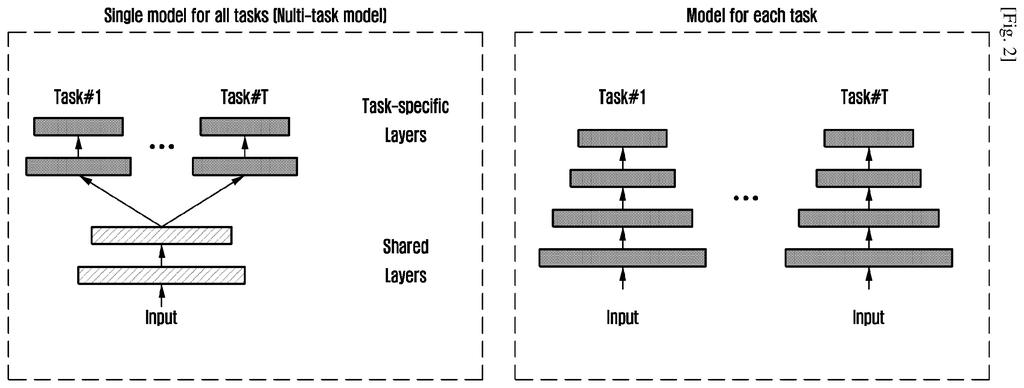
Samsung's patent describes a way to train a single AI model to handle several of those network jobs at the same time, using a method called federated learning, where many network nodes each do a piece of the training work locally and then share what they learned, rather than sending all their data to one central server.
The practical idea is that your carrier's network could get a more capable AI backbone without the time and computing cost of training separate models for every function. Whether that ever translates into a noticeably faster or more reliable connection for you depends on how carriers choose to deploy it.
A multi model functionality federated learning, FL, method used by a first entity of a communications network to train an artificial intelligence/machine learning, AI/ML, model for multiple related functionalities of the AI/ML model using a group of second network entities of the communications network.
Translation: This method allows a central server to coordinate with many smaller devices to teach an AI several tasks at the same time.
How federated learning splits the training workload here
The patent describes a multi-model functionality federated learning (FL) framework designed for 5G and 6G cellular networks. A central network entity (the "first entity" in the patent's language) coordinates a group of other network nodes ("second entities") to collaboratively train one AI/ML model that covers multiple related network functions at once.
Federated learning (a method where each participant trains on its own local data and only shares model updates, never raw data) is the core mechanism here. That matters for telecom because individual base stations and nodes hold sensitive traffic data that operators may not want to pool centrally.
What makes this filing specific is the "multi model functionality" angle: instead of running separate federated training rounds for, say, a beam-management model and a traffic-prediction model, the framework trains across both functions in coordinated rounds. The patent frames this as a method claim, meaning it covers the process a first network entity follows to orchestrate that group training.
- A coordinating network node kicks off the training process
- A group of participating nodes each train locally on their own data
- Model updates (not raw data) flow back to the coordinator
- The process covers multiple related AI functions within a single training cycle
The disclosure relates to a 5G or 6G communication system for supporting a higher data transmission rate. A multi model functionality FL method is provided used by a first entity of a communications network to train an AI/ML model for multiple related functionalities of the AI/ML model using a group of second network entities of the communications network.
Translation: Samsung is designing this AI training process to work specifically on future high speed mobile networks.
What this means for 5G and 6G network performance
For the average person, this is several layers removed from anything you'd notice directly on your phone today. The payoff, if it works as described, would show up as a carrier network that adapts more quickly to congestion or interference because its AI backbone was trained more broadly and efficiently. That's the kind of improvement you'd feel as fewer dropped calls or more consistent speeds during a crowded stadium event, not as a headline feature on a spec sheet.
The telecom industry is actively racing to bake AI into the core of 6G before standards are locked in, and Samsung sits at the center of that effort both as a chipmaker and a network-equipment vendor. Filings like this one are part of a steady stream of new Big Tech patents shaping how AI gets wired into next-generation wireless infrastructure long before consumers ever see the hardware.
The reader-level payoff here is real but distant. If federated learning for multiple network functions becomes standard in 6G, carriers could run leaner, faster-adapting networks without the overhead of training dozens of specialized models. That theoretically surfaces as better reliability in dense environments. In practice, this patent is a process-level building block filed well ahead of any 6G deployment timeline, and the claim is broad enough that what ships may look quite different from what's described here.
There are more where this came from
We read every patent application Big Tech publishes and send you the ones worth knowing. Plain English, free, every week.
The drawings
6 drawing sheets from US 2026/0236788 A1 · click any drawing to enlarge


Want this weekly breakdown for a company we don't cover? Patentlyze Pro →
Be the first to weigh in