
Samsung Patents a Wallpaper System That Figures Out Where to Place Your Subject
Samsung has filed a patent for a phone that builds its own wallpaper by cutting out a subject from a photo, splitting a decorative frame into two pieces, and stacking all three in the right order based on where the subject sits in the image.
What Samsung's auto-layered wallpaper actually does
Most phone wallpaper tools treat your photo as a flat picture, so if you add a frame or overlay, it sits either entirely in front of or entirely behind your subject. That rigid approach makes creative lock screens look clunky.
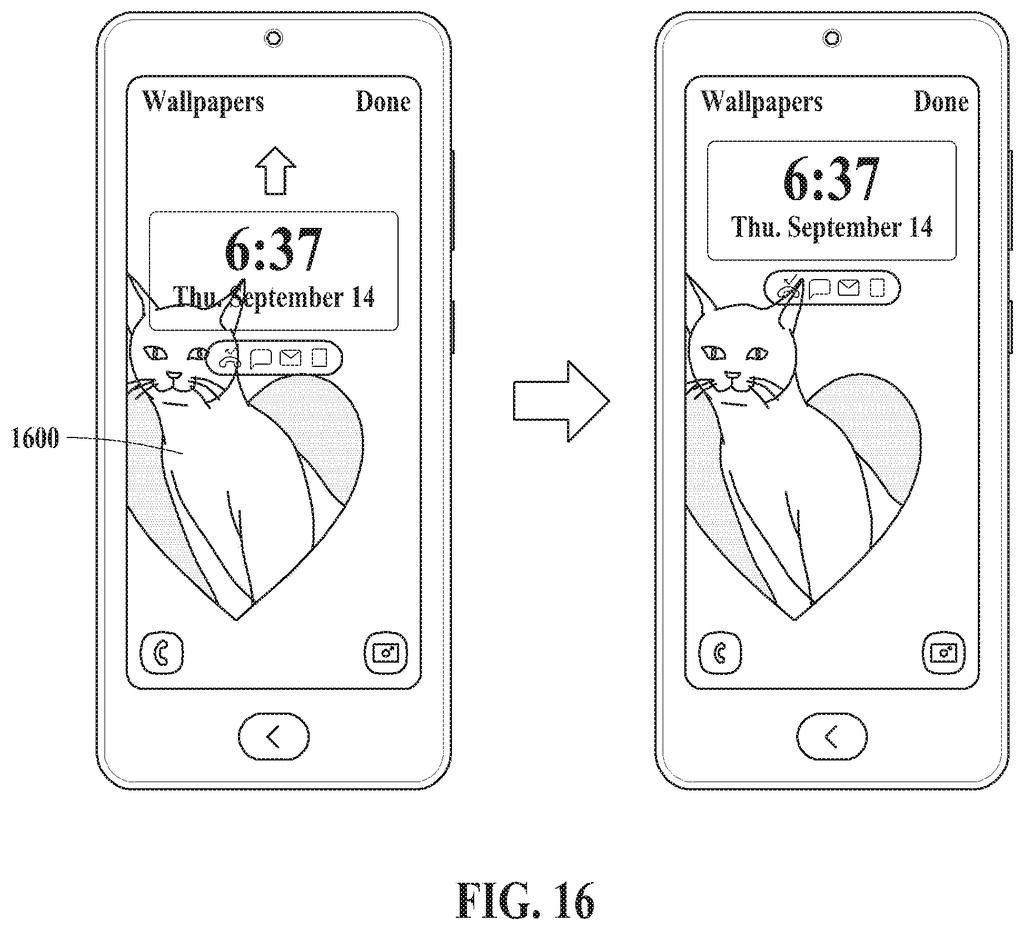
Samsung wants to fix this by teaching the phone to be more spatially aware. The device picks out the main subject in your photo, cuts it free from the background, and then splits a decorative border into a front piece and a back piece. The phone decides which piece goes on top and which goes behind your subject, depending on where in the frame your subject is standing or sitting.
The result is a wallpaper that looks like your subject is inside the frame rather than just pasted over it, giving the whole thing a sense of depth without you having to fiddle with any manual settings.
extract a target object from an image, divide, into a first frame and a second frame, a target frame to be displayed together with the target object among a plurality of frames …
Translation: The system cuts out the main subject and splits the background frame into multiple pieces.
How the device splits frames and ranks layers by position
The patent describes a system with three moving parts: a target object (the person or thing cut out of a photo), and a decorative target frame that the device splits into a first frame and a second frame.
Object extraction, often called image segmentation (meaning the phone identifies the subject and separates it from the background pixel by pixel), is the first step. Once the subject is isolated, the system looks at where it sits spatially, near the top, bottom, left, right, or center of the image.
Based on that position, the device assigns a priority order to the three elements: the cutout subject, the front portion of the frame, and the back portion. Priority here is essentially a layering decision, determining what renders on top of what, the same principle as layers in photo-editing software.
Finally, the phone composes and displays the finished background screen with everything arranged in that calculated order. The claim covers the full pipeline: extract, split, rank, display, all handled on-device without the user choosing which layer goes where.
… determine a priority between the target object, the first frame, and the second frame based on a position of the target object, and display, on a display, a background screen …
Translation: It figures out what should appear in front of or behind the subject to build a layered wallpaper.
What this means for Samsung's lock screen strategy
Lock screen customization has become one of the main battlegrounds in mobile software, after Apple made depth-effect wallpapers a headline feature on iPhone 16. A patent that automates the layering decision, rather than asking users to drag sliders, addresses a real usability gap: most people will not manually adjust three separate layers to make a wallpaper look good. If Samsung ships something close to this, it could bring a polished, editorial-quality lock screen to anyone who picks a photo and taps a button.
The broader story here is that Samsung is investing in making the phone's home and lock screens feel more like designed objects than empty canvases. The interesting tech patents Samsung has filed around display personalization suggest the company sees the lock screen as a product surface worth engineering carefully, not just a settings menu.
This is the 1105th Samsung filing in our Samsung coverage since May, adding to a run that includes a multi-server smart home check and an AC that tracks your movement.
Claim 1 covers a four-step chain: pull a subject out of a photo, split the surrounding border into two pieces, rank those pieces against the subject based on where the subject sits in the image, and display the composed result as a background screen. The claim sets no requirements about how the cutting happens, what the border looks like, or how many pieces it splits into, which keeps the boundaries wide.
That breadth means any automatic wallpaper tool following the same four steps, in the same order, sits inside this claim's territory. Adjust the layering of a person between decorative frame elements based on where they stand in the shot, and you are describing behavior the claim already captures.
For Samsung, the filing turns this automatic depth-layering behavior into a legally defined asset, protecting the feature before a dispute over ownership can arise rather than after.
Get our take in your Top Stories
Liked this breakdown? Add Patentlyze as a preferred source on Google, and our plain-English take shows up more often in your Top Stories the next time Samsung patent news breaks.
There are more where this came from
We read every patent application Big Tech publishes and send you the ones worth knowing. Plain English, free, every week.
The drawings
17 drawing sheets from US 2026/0253289 A1 · click any drawing to enlarge


Want this weekly breakdown for a company we don't cover? Patentlyze Pro →
Be the first to weigh in