
Samsung Patents a Dual-Mode Display That Embeds Sensors Between Its Pixel Layers
Samsung's new display patent describes a panel that can run in two distinct modes — one using all its pixels, one using only a subset — while routing light for sensors through the same layered stack. It's a clever approach to cramming more functionality into thinner display hardware.
What Samsung's dual-mode display actually does
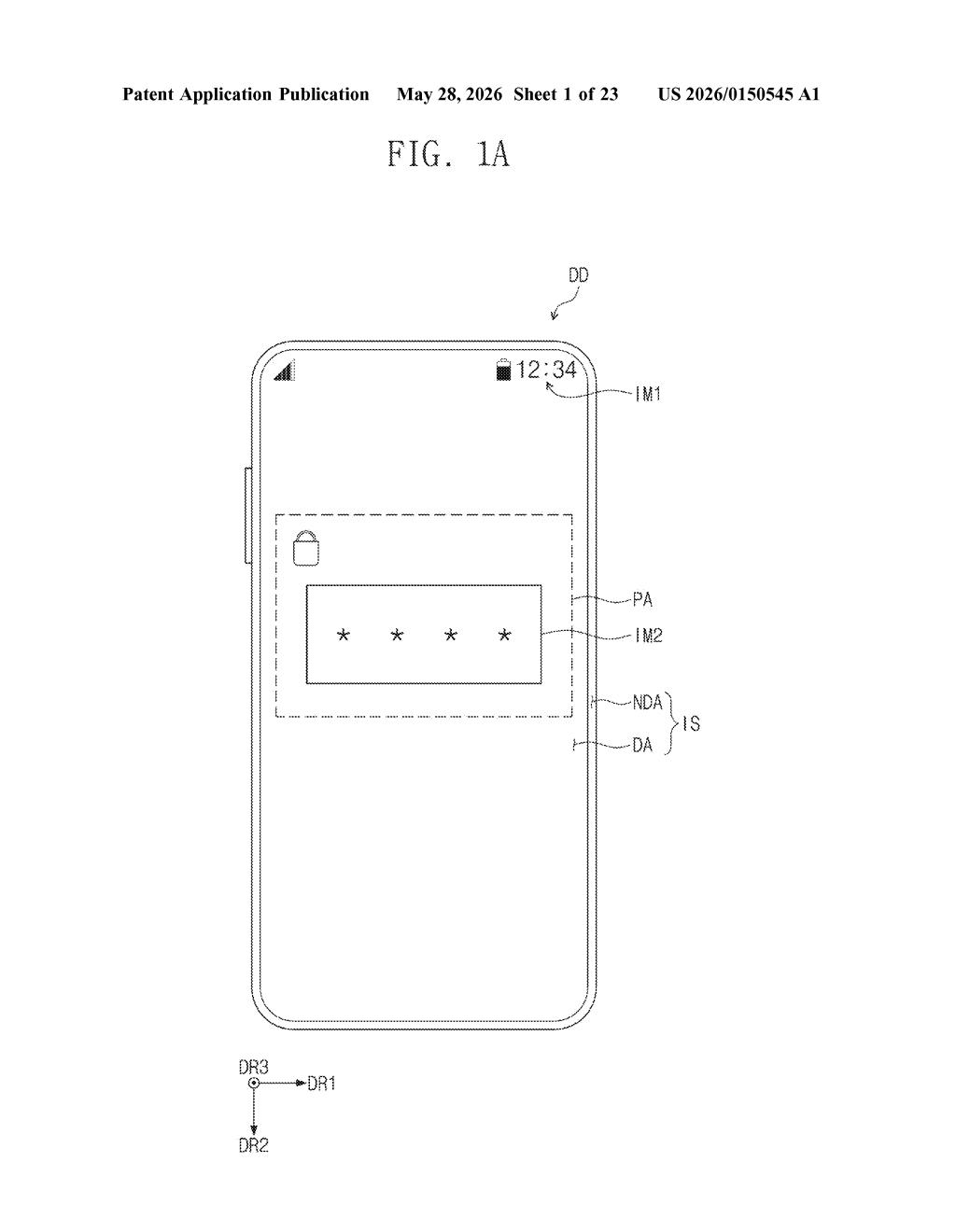
Imagine your phone's screen could dim down to a low-power "glanceable" mode — showing just the time and notifications — without waking up every single pixel. That's one way to think about what Samsung is patenting here. The display has two types of pixels: a primary set for full-screen content and a secondary set that can work alone when you only need a minimal image.
At the same time, the panel hides a light-sensing element (think ambient light detection or a proximity sensor) right inside the display stack itself. A special layer called an optical path control layer sits on top of the pixel elements and has precisely punched holes aligned with the secondary pixels and the sensor — so light gets in and out only where Samsung wants it to.
The end result is a display that can flip between a full, rich image mode and a stripped-down, sensor-active mode without needing separate hardware for each job. That's useful for always-on displays, health-monitoring wearables, or any device that benefits from doing more with less power.
How the optical path control layer manages pixels and sensors
The patent describes a display panel with two distinct pixel types — first-type pixels and second-type pixels — plus an embedded light receiving element (a sensor, such as a photodetector). A panel driver switches the device between two operating modes:
- First mode (full display): Both pixel types are active, producing a complete image across the panel — normal everyday use.
- Second mode (reduced display): Only the second-type pixels are driven; the first-type pixels are idle. Think always-on clock faces, low-power standby states, or minimal notification readouts.
The physical structure is a layer cake. Starting at the bottom: a base layer provides the substrate; a circuit layer sits on top carrying the driving transistors; then the element layer holds all three active components — the two light-emitting elements (the pixels themselves, likely micro-LEDs or OLEDs) and the light-receiving sensor element.
On top of all that sits the optical path control layer — essentially an opaque or light-blocking sheet with two carefully placed holes: a first transmission hole aligned with the second-type pixel, and a second transmission hole aligned with the sensor. These holes act like apertures in a camera lens, letting light pass only at controlled points. The first-type pixels sit beneath the opaque portions of this layer, so they're optically isolated when the panel is in second mode, even if residual current could theoretically reach them.
What this means for under-display sensors and always-on screens
Always-on display modes are already common on Samsung Galaxy phones and watches, but they typically rely on a uniform OLED panel doing selective pixel addressing in software. This patent describes a hardware-level separation baked into the panel's physical layer structure — which could mean lower power draw, better optical isolation, and cleaner integration of sensors without dedicated cutouts in the glass.
For wearables especially — smartwatches, health bands, XR devices — the ability to embed a sensor and a low-power pixel set in the same monolithic display stack is genuinely valuable. It reduces component count and could allow thinner, more power-efficient devices. Whether this ends up in Galaxy Watch hardware, a Galaxy phone's always-on layer, or something else entirely is speculative, but the engineering direction is clear.
This is careful, unglamorous display engineering — exactly the kind of foundational work that makes future devices meaningfully better rather than just spec-sheet better. The optical path control layer approach is a clever structural solution to a real problem (sensor integration + multi-mode power management), and it's the sort of patent that tends to quietly show up in shipping products a few years after filing.
There are more where this came from
We read every patent application Big Tech publishes and send you the ones worth knowing. Plain English, free, every week.
Want this weekly breakdown for a company we don't cover? Patentlyze Pro →