
A New Samsung Patent Has AR Glasses Tint Glare and Billboards While You Drive
Samsung describes AR glasses that darken just the patch of your view where a billboard or sun glare sits, while leaving road signs and your directions bright and clear.
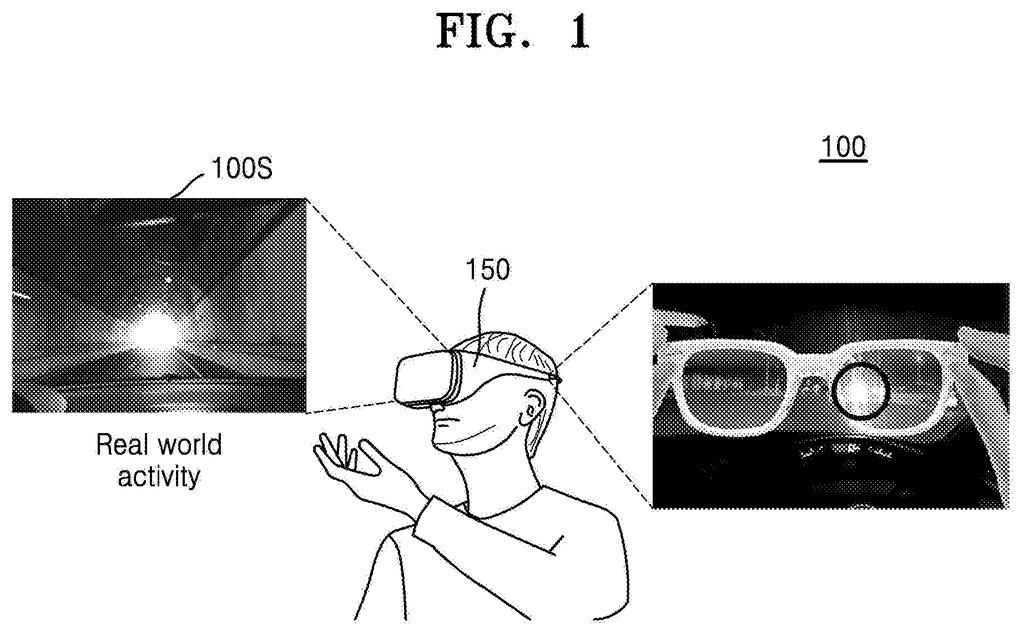
What Samsung's selective-tint AR glasses do
Every time you drive into the sun or past a glowing billboard, your eyes have to fight for a moment. Now add AR glasses that are also drawing directions or notifications in front of you, and your brain has even more to juggle.
Samsung's patent application describes glasses that work out what you are trying to focus on, such as the road or a speaker at a meeting. They then spot the things in that view that pull your eyes away, like headlight glare or a bright light behind a video, and tint only that part of the lens.
Everything else stays clear. You could pick the tint color yourself, and a tap or gesture could clear it for a quick look.
identifying, within a Field-of-View (FOV) of the electronic device, at least one attention region and at least one non-attention region based on a real-world activity of an user; …
Translation: The glasses figure out what you are supposed to be looking at based on what you are doing.
How the glasses find and dim the distractions
The claims cover a three-step loop. First, the device sorts your field of view (everything you can see through the lenses) into attention regions and non-attention regions, based on what you are doing. Second, it spots a distracting event inside an attention region. Third, it changes how part of the display looks in response.
The filing describes how it gets there. Cameras and head tracking build a distraction map (a layout of where things sit in your view). The glasses can also predict a region of discomfort by checking whether part of your view is brighter than a set limit. That limit starts at a default and shifts based on signs of eye strain, such as squinting.
To dim the right spot, the glasses use eye tracking to translate real-world locations into exact pixels on the lens. They then apply a tint in a color you choose and can adjust transparency.
The description gives examples: glare from another vehicle, ad boards while driving (without hiding traffic signals), bright light behind virtual content, or a keyboard while using a laptop. It also mentions films that change opacity with electrical signals, or transparent OLED screens.
… modifying display properties of at least a part of a display of the electronic device based on the at least one distracting event.
Translation: The lenses automatically adjust their tint or display to block out distractions like roadside billboards.
Why dimmed billboards matter for AR glasses wearers
If AR glasses are going to be worn outdoors or while commuting, they have to handle bright, messy real-world scenes, not just draw pretty overlays. A pair that dims a glaring headlight or a distracting billboard could make navigation arrows easier to read and cut down on eye fatigue.
The filing also points to uses beyond driving: presentations, laptop work, and even blocking sensitive content from your view. It mentions car, defense and industrial uses too. This is a patent application, so there is no product to buy, but it shows Samsung thinking about the comfort side of wearing screens on your face.
Samsung's 72nd filing we've tracked since May in the AR glasses race follows work like the mirror-detection patent and the interruption filter patent.
The benefit here is easy to picture: you drive west at sunset, and instead of squinting, the glasses darken only the glare while your directions stay sharp. That is a failure many people already know from sunglasses, which dim everything equally, including the things you need to see.
You would notice this most in moments of overload: busy streets, bright billboards, a screen glowing behind other content. If it works, it simply feels like your surroundings got a little calmer.
The open question is trust. A system that decides what counts as a distraction could dim something you needed, so the tap-to-clear gesture and your own tint settings matter a lot. The filing mentions leaving traffic signals visible, and that has to work every single time.
Get our take in your Top Stories
Liked this breakdown? Add Patentlyze as a preferred source on Google, and our plain-English take shows up more often in your Top Stories the next time Samsung patent news breaks.
There are more where this came from
We read every patent application Big Tech publishes and send you the ones worth knowing. Plain English, free, every week.
The drawings
12 drawing sheets from US 2026/0329082 A1 · click any drawing to enlarge


Show the other 4 sheets


Want this weekly breakdown for a company we don't cover? Patentlyze Pro →
Be the first to weigh in