
Samsung Files Patent for Automatic Group Bluetooth Audio Takeover When Your Phone Runs Out
Share a playlist over Bluetooth at a party and the host's phone becomes a single point of failure. Samsung's filing describes a way for a struggling phone to pass the broadcast to another device while everyone keeps listening.
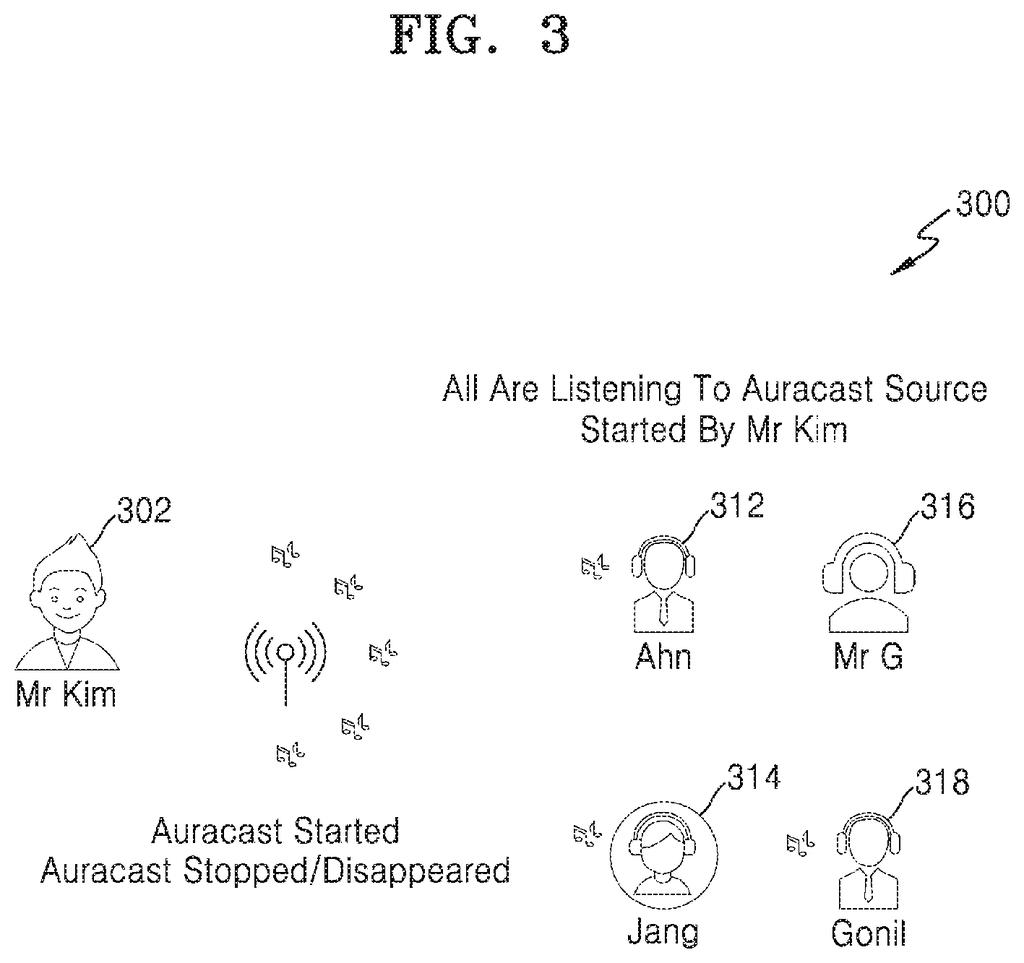
What Samsung's Auracast handoff does for groups
Right now, a Bluetooth audio broadcast (the feature is called Auracast) lives and dies with the one phone sending it. If that phone's battery dies, the music stops for everyone listening, and each person has to find the new broadcast, pick it again and often retype a password. The filing puts that at roughly four actions per listener.
Samsung's patent application describes a fix. When the broadcasting phone senses trouble, such as a low battery or a weak signal, it asks nearby devices who can take over, checks how healthy each one is, and picks the best candidate. Then it copies its broadcast name, password and audio settings over to the winner.
The goal is that your earbuds keep playing as if nothing changed, with no rescanning on your end.
… transferring, by the first electronic device, an Auracast configuration setting of the first electronic device to the target second electronic device for switching the Auracast source role from the first electronic device to the second electronic device.
Translation: Your dying phone passes its broadcast baton directly to another device so the music keeps playing.
How the old phone picks and briefs its successor
The first phone, the current Auracast source (the device sending out the audio), keeps an eye on its own health. The claims name three triggers: low battery, weak wireless signal, or the app supplying the content becoming unavailable. The description adds overheating or a user choosing to switch.
When a trigger hits, the phone sends out a "switch-required" call over Bluetooth. Nearby devices that are willing answer with a status report. According to the claims, that report can include:
- Wireless signal strength
- Battery level
- Whether the device has the content
- Connection status
The first phone picks the best match, then collects settings from two layers of its Bluetooth software. The host layer covers audio format details like sample rate. The controller layer covers radio details like channel map and transmit power. The package sent to the winner includes the broadcast name, broadcast IDs, codec information and the password.
Once the new device confirms it is broadcasting, the old one shuts its own broadcast off so two devices never transmit at once. In one version, the old phone also sends a message that tells every listening earbud to hop to the new source. The filing gives a 200 millisecond start-time example.
… detecting, by a first electronic device acting as an Auracast source device, a requirement to hand over the Auracast source role to any one of multiple second electronic devices; …
Translation: The system notices when your primary audio device needs help and looks for a backup.
Why a dead phone shouldn't end the group playlist
If you've shared a playlist at a party, on a trip or at the gym, you know the host's phone is the weak point. This patent application aims to make the broadcast outlive any single phone, so a dying battery stops being a group-wide interruption. The filing says rejoining a private broadcast takes about four actions per listener today, so in a group of ten that is around 40 taps saved.
The idea also depends on cooperation. The listeners' earbuds would need to understand the switch command, and the filing describes changes on both the sending and receiving sides. It mentions smartphones and tablets as sources and earbuds, headphones and speakers as listeners, so the idea reaches past a single device.
Samsung's 1434th filing we've tracked since May adds to a run that includes tap-free phone payments and 3D cell location tracking.
Claim 1 is short. A phone already broadcasting detects that it must hand off, collects status reports from other devices, picks one, and sends over its broadcast settings. That is the whole claim. It names no trigger, no scoring rule for the winner, and no step where the old phone shuts off.
Those details sit in the narrower claims further down: battery, signal strength and app availability as triggers, and a broadcast name and password as the settings that move. Because claim 1 leaves them open, it could cover almost any Auracast handoff where the old device chooses the successor from reported capabilities, if it were granted.
On its face, the claim has the original phone doing the choosing, so a design where listeners pick the new source themselves sits outside its wording. The idea is sensible and the claim is wide, so the open question is how much of that width survives review.
Get our take in your Top Stories
Liked this breakdown? Add Patentlyze as a preferred source on Google, and our plain-English take shows up more often in your Top Stories the next time Samsung patent news breaks.
There are more where this came from
We read every patent application Big Tech publishes and send you the ones worth knowing. Plain English, free, every week.
The drawings
27 drawing sheets from US 2026/0323247 A1 · click any drawing to enlarge


Show the other 19 sheets


Want this weekly breakdown for a company we don't cover? Patentlyze Pro →
Be the first to weigh in