
Samsung Patents Technology to Keep Earbuds in Sync When Bluetooth Drops Data
When your phone sends audio to wireless earbuds over Bluetooth, a single lost data packet can cause a noticeable stutter. Samsung's new patent describes a system that simply cuts its losses, ditches the stuck packet, and jumps straight to the next chunk of audio instead of waiting around.
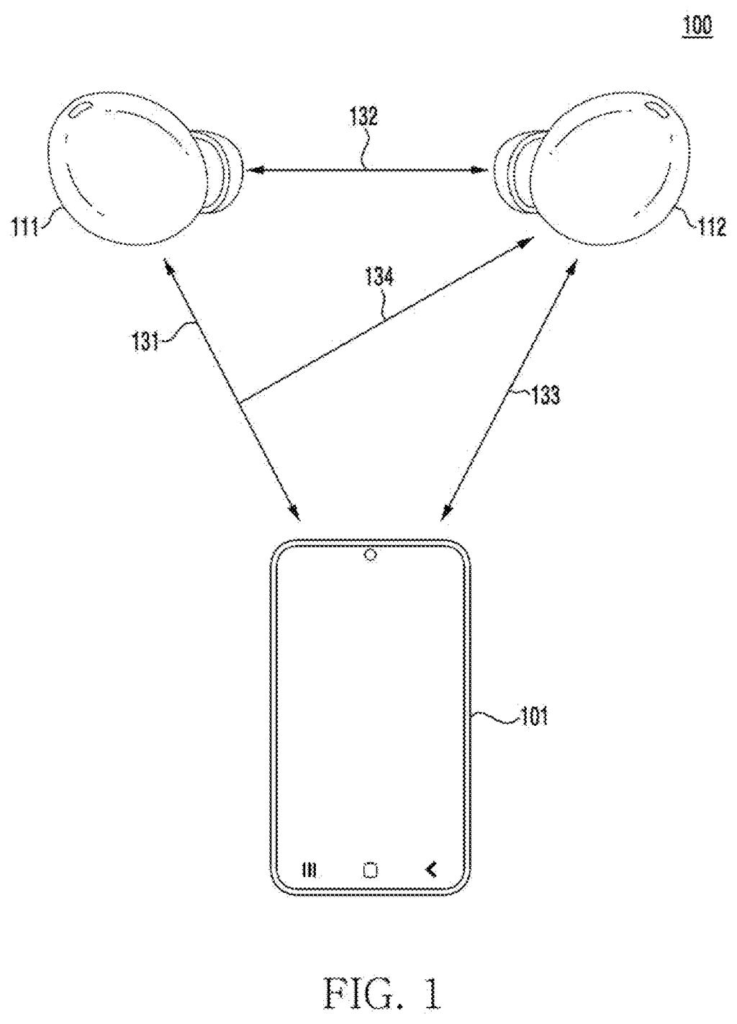
What Samsung's audio dropout fix actually does
You're listening to music through wireless earbuds and the connection hiccups for a split second. Instead of the audio freezing while your phone desperately retries sending the same broken piece of data, it just moves on to the next sound. That is the core idea here.
Every song or podcast your phone streams to earbuds is chopped into small packets, like pages in a book being handed over one at a time. If your phone sends a page and your earbuds don't confirm they got it within a set time limit, Samsung's system would abandon that page entirely and send the next one. The goal: no stutter, no freeze, just a tiny imperceptible skip.
The key insight is that not every piece of audio data matters equally. Some packets carry audio that is truly necessary for the sound to make sense; others carry optional detail. The system sends the essential stuff first, and only bothers with the extras if the connection confirms it's going well.
cancel transmitting the packets of the first set, and transmit, by using the communication circuitry, from among packets of a second set to be sequentially transmitted for an output of second audio next to the first audio, through the communication link, to the external electronic device, a third packet including data mandatory for the output of the second audio.
Translation: When a connection drops, the device abandons the old audio data and immediately starts sending the next song or sound.
How the device decides to skip or keep waiting
The patent describes a priority-aware packet transmission system built for wireless audio over Bluetooth or a similar short-range link.
Each audio segment is broken into a "first set" of packets. Within that set, some packets carry data described as mandatory for the audio to play intelligibly, and others carry data labeled optional (think of it as the difference between the main melody and a subtle reverb layer). The device sends the mandatory packet first and then waits for an ACK (acknowledgement, a tiny reply from the earbuds confirming receipt).
- If the ACK arrives before a deadline called the flush timeout, the device proceeds to send the optional packets in that set.
- If the ACK does not arrive before the flush timeout, the device cancels all remaining packets in that audio segment and immediately jumps to the first mandatory packet of the next audio segment.
This means the system self-corrects in real time, trading a micro-gap in audio fidelity for continuity. Rather than retrying failed transmissions and compounding the delay, it discards the unacknowledged data and keeps playback moving forward at the natural pace of the audio track.
… based on not receiving, before the flush timeout of the first packet, the ACK packet from the external electronic device: canceling to transmit the packets of the first set, and transmitting, from among packets of a second set to be transmitted for an output of second audio next to the first audio, a third packet including data for the output of the second audio.
Translation: If confirmation of the first audio fails before the timer runs out, the device stops trying and jumps straight to the next audio.
What this means for wireless earbud listeners
For anyone using wireless earbuds during a commute, a workout, or a call, the most annoying thing is not audio quality: it's interruptions. Even a half-second freeze feels jarring. This patent targets exactly that moment, replacing a hang with a near-invisible skip.
The filing also reflects a growing pile of Samsung audio-connectivity filings around Bluetooth reliability. Whether this logic eventually surfaces in Galaxy Buds firmware or in the Galaxy phone stack is unknown, but the underlying problem is universal across Android phones, iPhones, and any device pairing over Bluetooth. If Samsung ships this, users might simply notice fewer freezes without ever knowing why.
Samsung's 1260th filing we've tracked since May in our Samsung coverage follows work like a sliding-and-vibrating motor and a folding-display battery switcher.
When a wireless audio connection stumbles, the real annoyance is what happens next: the device keeps trying to recover the lost audio, and the listener sits through a prolonged stutter or garbled sound while it does. Samsung's approach here is to abandon that recovery attempt early and move straight to the next piece of audio instead, so the rough moment stays brief.
For someone on a crowded subway or walking through a Wi-Fi-saturated office, that difference is felt immediately. A quick, clean gap is far easier on the ears than a half-second of choppy, degraded sound trying to reassemble itself.
The people who benefit most will likely never know this feature exists. They will just notice that their earbuds feel more solid in the places where earbuds usually let them down.
There are more where this came from
We read every patent application Big Tech publishes and send you the ones worth knowing. Plain English, free, every week.
The drawings
20 drawing sheets from US 2026/0281171 A1 · click any drawing to enlarge


Want this weekly breakdown for a company we don't cover? Patentlyze Pro →