
Samsung Patents a Faster Storage Method That Prevents Database Slowdowns
Every database write your phone or tablet makes has to go somewhere, and Samsung is patenting a way to make sure those writes land on the fastest available storage first, with an automatic backup plan if that storage isn't available.
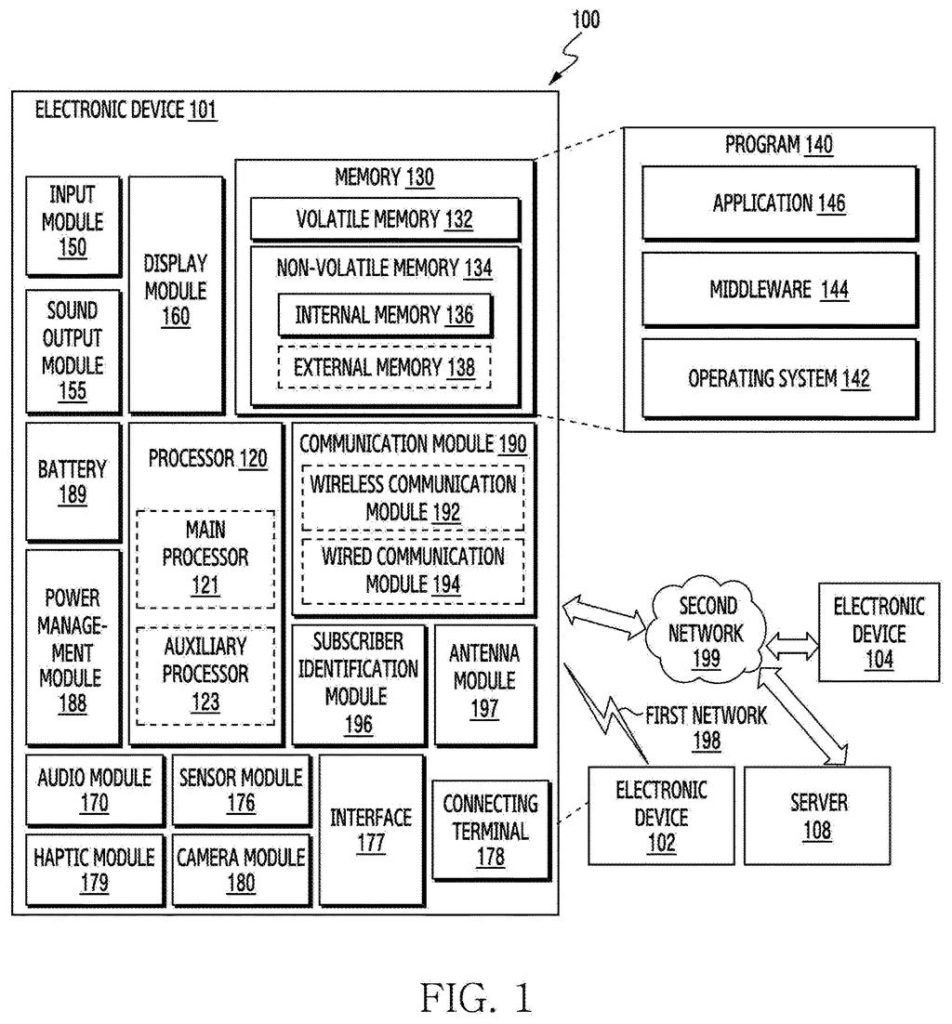
How Samsung's fast-storage database trick works for you
Every time an app saves your data, whether it's a note, a photo edit, or a bank transaction, your device records a kind of change-log entry before it writes the final result. That log entry is called a journal, and where it gets written matters a lot for speed.
Samsung's patent describes a system that checks whether a fast-storage chip (think a high-speed cache or dedicated RAM) has permission to handle that journal duty. If it does, the journal goes there, and updates happen at top speed. If that fast storage isn't available or hasn't been activated, the device falls back to the standard, slower storage instead.
You'd never see any of this happen. The point is that your apps feel snappy even when they're busy saving things in the background, and the system never crashes trying to write to storage it doesn't have access to.
verify, using information related to a database stored in the memory, whether authority to perform read and write operations on the database using the second storage from among the first storage or the second storage is granted …
Translation: The device checks if it has permission to use the faster storage for the database.
How the device picks fast or slow storage for each write
The patent describes a two-tier storage architecture for managing database journal information, which is the running log of every change made to a database before those changes are permanently committed.
- Permission check first: Before writing anything to fast storage, the device verifies that it actually has authority to use that storage for read and write operations on the database. This prevents writes from going to storage the system isn't authorized to use.
- Fast-path journaling: If permission is confirmed, the device runs a function that sets up journal generation on the second storage (the higher-speed option). Incoming database transactions then update that journal in place, keeping the fast-path active.
- Automatic fallback: If that function runs but the fast storage journal was never actually created (because the hardware isn't present, isn't ready, or permission was denied), the device detects the absence and redirects journal writes to the first storage (the standard, slower option) instead of failing outright.
The practical upshot is that the database layer always has somewhere valid to write its journal, at the best speed available, without the calling application needing to know which storage tier is being used.
… generate journal information in the first storage based on identifying that the journal information is not generated in the second storage by the execution of the function, generate the journal information in the first storage.
Translation: If the fast storage fails to create the journal, the system falls back to the slower storage.
What this means for apps that write data constantly
Database journaling is one of those background operations that determines how fast your apps feel and whether your data survives a crash. If a device always writes journals to slow storage even when fast storage is sitting idle, you pay a speed penalty on every save operation. Samsung's approach means a device can take advantage of faster memory when it's available and authorized, without requiring developers to hard-code which storage tier to target.
For you as a user, the clearest payoff is in apps that write data constantly: messaging apps, note-taking tools, anything that auto-saves. The failure this prevents is subtler but real: a device that tries to use fast storage it isn't authorized for could crash or corrupt data. The fallback logic here makes the system safer as well as faster.
Samsung's 31st filing we've tracked since June in our next-generation SSD patents watch follows work on catching data errors automatically and preventing overheating during saves.
The clearest sign a phone's storage system is working well is that you never think about it. What this patent addresses is the moment you almost would: the split-second hesitation when an app is saving something important and the phone has to decide where to put it fastest.
Samsung's approach routes those save records to the quickest available memory automatically, and if that faster memory isn't accessible, it falls back gracefully rather than stalling. For anyone who has watched a notes app freeze mid-sentence or a messaging thread hang before sending, that fallback is the part that actually matters day to day.
Whether users feel any of this depends on how widely Samsung deploys it across its phones, not just its most powerful ones. The benefit is most real for apps doing constant quiet saving in the background, and those are precisely the apps that make a phone feel slow when storage handling goes wrong.
There are more where this came from
We read every patent application Big Tech publishes and send you the ones worth knowing. Plain English, free, every week.
The drawings
14 drawing sheets from US 2026/0277878 A1 · click any drawing to enlarge


Want this weekly breakdown for a company we don't cover? Patentlyze Pro →