
Samsung Files Patent to Make Voice Assistants Remember What You Just Said
Say "select the third one" to your TV and it has to guess what you mean. Samsung's patent application says the answer depends on how long ago you last spoke.
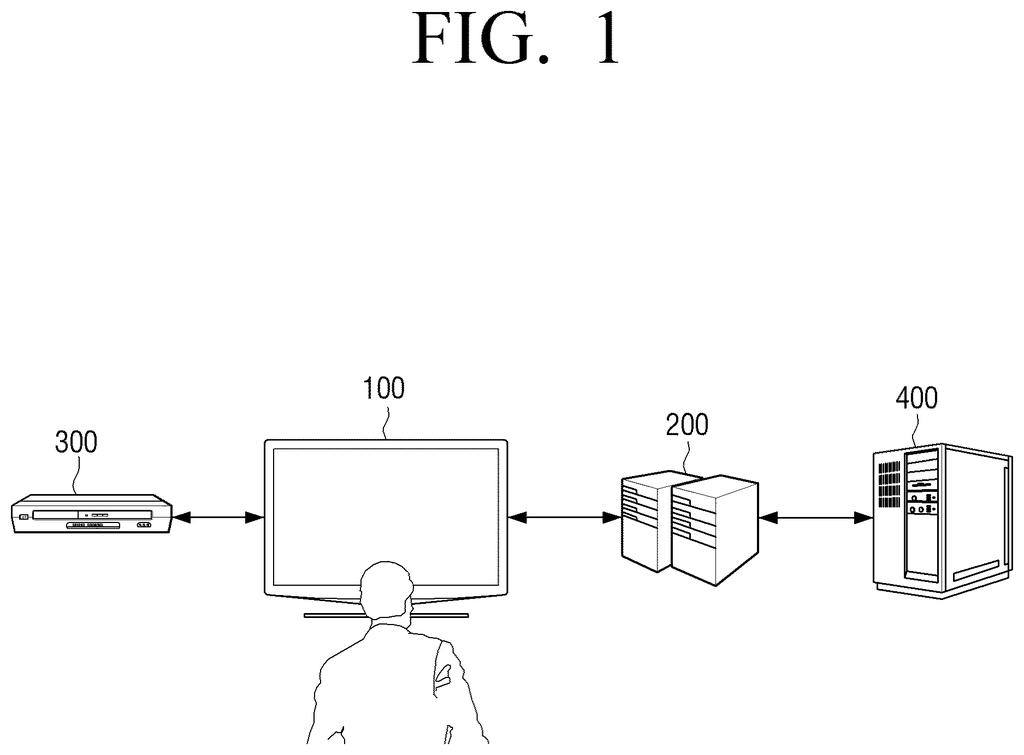
What Samsung's voice-memory patent does
You're on the couch and you tell your TV, "Search for a cooking show." A list of episodes pops up. A few seconds later you say, "Select the third one." To a voice system with no memory, that sentence is a puzzle. Third what?
Samsung's filing describes a fix built around a clock. The device checks how much time passed since it showed you its last answer. If your follow-up comes quickly, the system treats it as a continuation and uses your earlier request to fill in the blanks. If you wait too long, it treats the new command as a fresh start.
The screen can also respond differently depending on which case you land in. That means you can talk the way people actually talk, in short, loose fragments, instead of memorizing exact phrases.
… wherein based on whether the second voice input is received within a predetermined time from a time corresponding to the output of the first response information, whether a use of utterance history information is identified, and wherein the second response information is displayed differently based on whether the second voice input is received within the predetermined time.
Translation: The system changes how it answers you depending on how quickly you ask your follow up question.
How the timer decides to reuse your last request
The claims cover a device with a communicator (the part that talks to a remote server) and a controller (the part that runs the logic). When you speak, the device gets an answer from a server and shows it on the display. When you speak a second time, the device gets a second answer and shows that too.
The key step is a timing check. The device looks at whether your second voice input arrived within a predetermined time after the first answer was shown. That check decides whether the system uses utterance history information (a stored record of your earlier request or the earlier answer). The second answer is then displayed differently depending on the outcome.
The dependent claims spell out both branches:
- Within the time window: the answer is built from your earlier request plus the new one.
- After the window: the answer is built from the new request alone.
The description gives examples. After "Search for (a show)," a quick "Select first one" picks the first result. A bare "Yes" after "Turn off TV" is read as a confirmation, and the TV turns off. If the stored history is too old, the server doesn't answer at all. When the window has passed, the TV can send identifying labels for the on-screen list items so a command like "Select third one" still works.
The electronic apparatus includes a communicator, and a controller. The controller, based on a first voice input being received, controls the communicator to receive data including first response information corresponding to the first voice input from a server, and outputs the first response information on a display …
Translation: The device uses an internet server to process your voice commands and show the answers on screen.
Why follow-up commands matter for Samsung TVs
If you've ever had to repeat a full sentence to a smart TV because it forgot what you asked five seconds earlier, this is the problem being targeted. Follow-up commands like "the next one" or "yes" are how people naturally talk, and a system that handles them well feels much less like a rigid menu.
The description centers on smart TVs and also names phones, PCs and navigation systems. This application is a continuation of a family that traces back to a 2013 Korean filing, so the idea is old. The timing rule is a simple, practical way to avoid the opposite mistake: treating something you said ten minutes ago as relevant to what you say now.
Samsung's 29th filing we've tracked since June in our assistants that remember you watchlist builds on one that fact-checks answers and one that asks before forgetting.
This one will matter most in the moments you barely notice. A voice assistant that remembers your last request for a few seconds means you say "the third one" and it just works, with no repeated sentence and no "Sorry, I didn't catch that."
The timer also guards against the opposite failure. Without it, a stray "yes" an hour later could trigger something you asked about long ago. A short memory window keeps the assistant helpful without making it presumptuous.
The idea itself is modest, and today's AI assistants handle context in far more sophisticated ways. But for anyone fighting a living-room remote and a stubborn TV, a clock that decides when to remember is a benefit you would feel right away.
Get our take in your Top Stories
Liked this breakdown? Add Patentlyze as a preferred source on Google, and our plain-English take shows up more often in your Top Stories the next time Samsung patent news breaks.
There are more where this came from
We read every patent application Big Tech publishes and send you the ones worth knowing. Plain English, free, every week.
The drawings
7 drawing sheets from US 2026/0331123 A1 · click any drawing to enlarge


Want this weekly breakdown for a company we don't cover? Patentlyze Pro →
Be the first to weigh in