
Intel Patents a Fix for the Dropped Connections That Plague Satellite Phone Calls
Satellite internet has a timing problem: signals take much longer to travel to space and back than they do across a cell tower. Intel's new patent tackles that head-on by redesigning how time slots are carved up for satellite 5G networks.
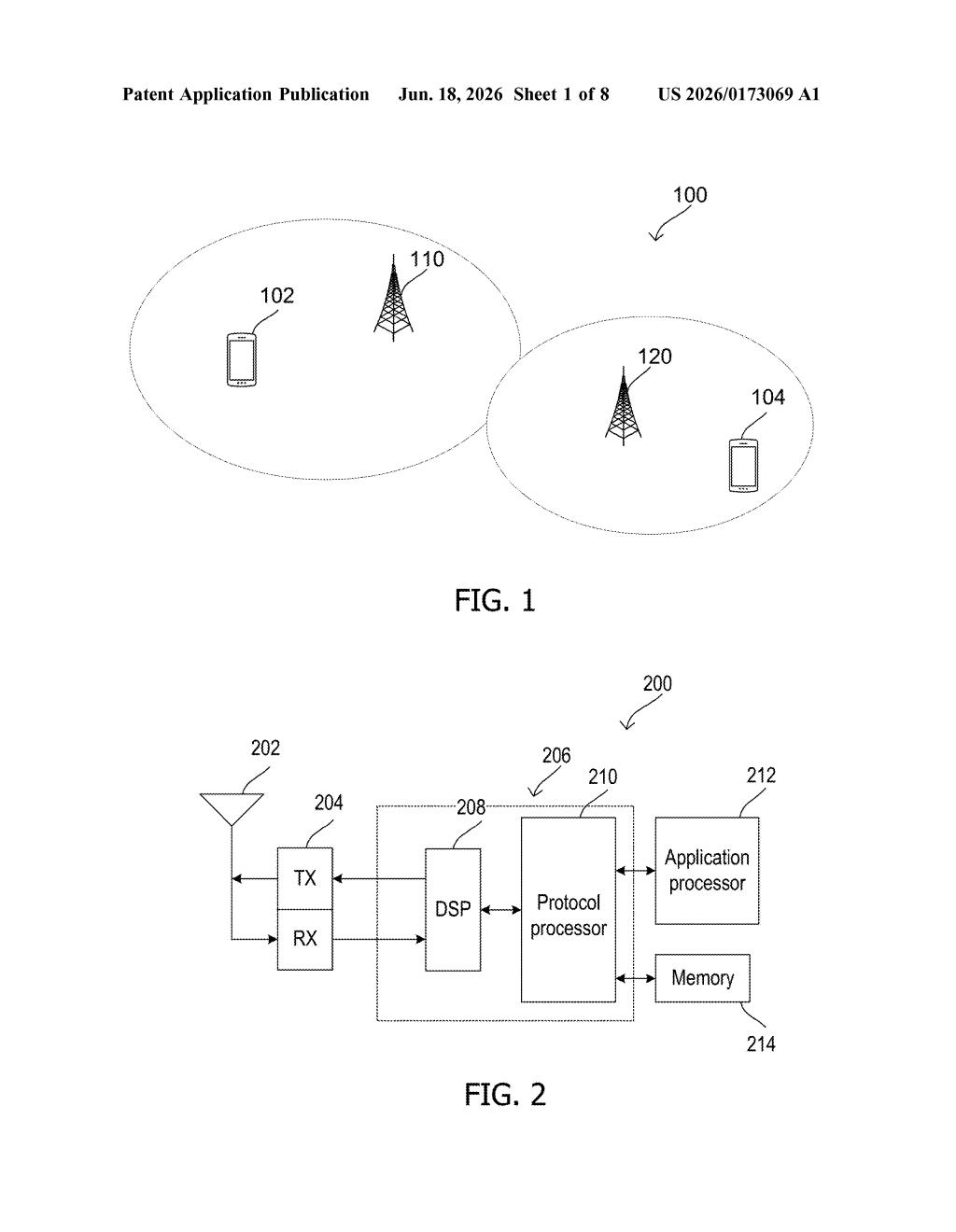
Why satellite internet needs its own timing rules
Imagine your phone and a cell tower take turns talking — the tower sends data, then your phone replies, back and forth in rapid rhythm. That rhythm works fine when the tower is a mile away. But when it's a satellite orbiting hundreds of miles above Earth, the signal takes so long to arrive that the whole conversation falls out of sync.
Intel's patent describes a system that builds that delay directly into the schedule. Instead of assuming signals arrive almost instantly, the network sets aside specific "quiet" time slots — gaps where neither the satellite nor your device tries to send anything — long enough for signals to make the full round trip through space.
During those gaps, your device can still send or receive data using a carefully planned secondary schedule. The result is a satellite network that doesn't fall apart just because physics says signals need time to travel. It's unglamorous work, but it's the kind of engineering that makes satellite-based mobile coverage actually usable.
How Intel's time-slot system accounts for orbital delay
Modern 5G networks use a technique called time-division duplex (TDD) — a method where uplink (your device sending data up) and downlink (data coming down to you) share the same radio channel but take turns in carefully timed slots. This works well on the ground because the delay between a tower and your phone is tiny, measured in microseconds.
Satellites introduce a much larger problem: round-trip time (RTT) delay. A signal traveling to a low-Earth-orbit satellite and back can take 20–60 milliseconds, and for higher orbits, several hundred milliseconds. That's long enough to completely break the tight timing assumptions baked into standard TDD schedules.
Intel's patent describes a processor that:
- Measures the specific round-trip delay for a given satellite access node
- Builds a TDD pattern with two classes of time slots: active slots for normal uplink/downlink traffic, and guard slots — periods when the satellite itself goes quiet to let in-flight signals catch up
- Schedules terminal devices (phones, modems) to send or receive during those guard slots in a controlled way, so bandwidth isn't completely wasted
The key insight is that the number of guard slots isn't fixed — it's calculated from the actual round-trip delay, so the system can adapt to different orbital altitudes or network conditions.
What this means for satellite-based mobile networks
Satellite-based mobile coverage is a real and growing priority. Apple already offers emergency satellite messaging on iPhones, and carriers are working toward full satellite-to-phone voice and data. But most of those systems use proprietary workarounds. Intel's approach targets the 3GPP standards — the official specifications that govern 5G globally — which means this kind of fix could end up baked into how all 5G satellite networks operate, not just one vendor's product.
For you as a user, this matters because it's the difference between satellite connectivity that's a fragile emergency fallback and one that behaves like a real network. Solving the timing layer is a prerequisite for everything else — video calls, reliable data, handoffs between satellite and ground towers — to work properly.
This is exactly the kind of unglamorous infrastructure patent that actually matters. Satellite-to-phone connectivity is stalling partly because the protocol layer hasn't caught up with the hardware ambitions, and Intel is clearly positioning itself as a contributor to that standards work. Whether this specific approach makes it into 3GPP specs is a separate question, but the problem it's solving is real and unsolved at scale.
There are more where this came from
We read every patent application Big Tech publishes and send you the ones worth knowing. Plain English, free, every week.
Want this weekly breakdown for a company we don't cover? Patentlyze Pro →