
Samsung Patents a Lower-Power Way to Find Nearby Wi-Fi Devices
Finding nearby devices over Wi-Fi usually means your phone has to stay in sync with a shared clock — Samsung's patent describes a way to skip that step and still get the job done.
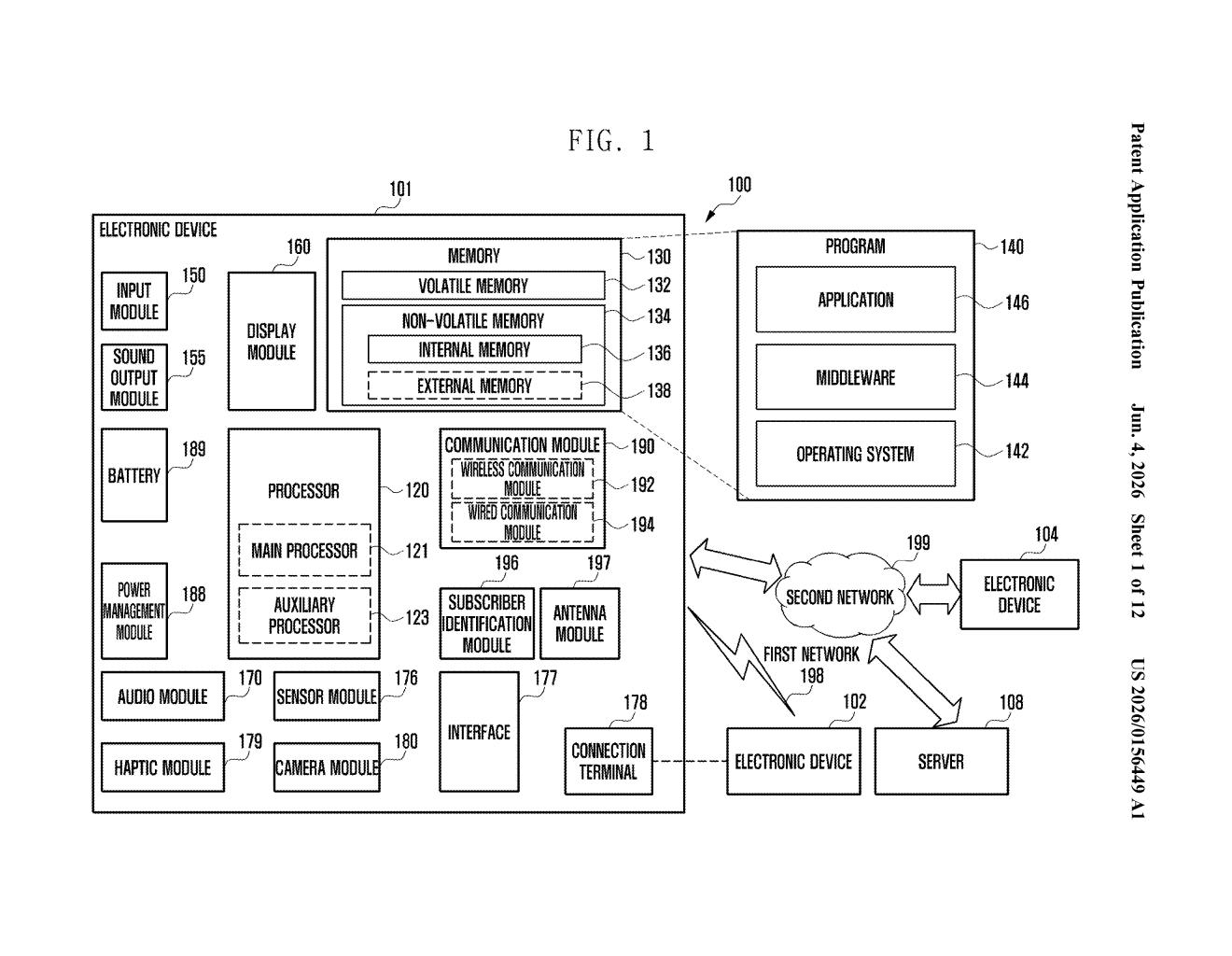
What Samsung's unsynchronized device discovery actually does
Imagine you walk into a room and your phone needs to find other nearby devices — a speaker, a TV, a laptop — to share content or start a session. Normally, all those devices have to be tuned in to the same timing window, like a group of people agreeing to check their phones at exactly the same moment. That coordination costs battery and takes time.
Samsung's patent describes a method where your device uses a faster, timing-free scan called Unsynchronized Service Discovery (USD) to start looking for nearby devices the moment it gets a signal to do so — without waiting for everyone to sync up first.
The clever part: once the main discovery protocol (called Neighbor Awareness Networking, or NAN) finishes its job or gets canceled, your device automatically stops the USD scan too. That means no wasted radio activity running in the background after it's no longer needed. It's a small but practical improvement in how devices manage wireless searches.
How USD and NAN work together in Samsung's approach
The patent centers on two Wi-Fi protocols working in tandem: Neighbor Awareness Networking (NAN) and Unsynchronized Service Discovery (USD).
NAN is a Wi-Fi standard that lets devices find each other without connecting to a router. It works by having devices wake up at synchronized intervals to announce themselves — efficient, but it requires everyone to follow the same timing schedule. USD is a newer addition to the Wi-Fi spec that removes that timing requirement, letting a device broadcast or listen for service announcements at any time.
In Samsung's described system, the flow works like this:
- The device receives a trigger to activate NAN communication.
- That trigger also kicks off a USD scan, running in parallel for a set time window.
- USD finds nearby devices without waiting for a sync window, potentially speeding up discovery.
- If NAN discovery ends early — or gets explicitly terminated — the USD scan shuts down automatically rather than running to completion.
The key engineering idea is lifecycle coupling: tying the USD session's lifespan to the NAN session's state. This prevents the device from wasting radio resources on a scan that no longer has a purpose.
What this means for Galaxy device connectivity
For end users, this kind of optimization is invisible — but it feeds directly into battery life and connection speed on Galaxy phones and tablets. Faster, more efficient device discovery means features like Quick Share, screen mirroring, and cross-device clipboard sync can start working sooner after you trigger them.
More broadly, this is Samsung staking out IP in the Wi-Fi Direct and NAN ecosystem — a space that's getting crowded as Apple's AirDrop (which uses a similar NAN-based approach) and Google's Nearby Share compete for the same user behavior. Filing patents on coordination logic between USD and NAN gives Samsung a technical and legal foothold in how that discovery layer evolves.
This is unglamorous wireless stack work — the kind of patent that will never make a product page but absolutely ends up in a firmware update. The lifecycle-coupling idea (auto-terminating USD when NAN ends) is a sensible engineering choice that prevents a real-world bug class. Worth a note for anyone tracking Samsung's Wi-Fi standards strategy.
There are more where this came from
We read every patent application Big Tech publishes and send you the ones worth knowing. Plain English, free, every week.
Want this weekly breakdown for a company we don't cover? Patentlyze Pro →