
Qualcomm Patents Session-Key Scrambling for Sensor Data Security
Qualcomm wants to secure sensor data before it ever leaves the sensor — using a session-key scrambling approach that bakes encryption into the transmission pipeline itself, not as an afterthought.
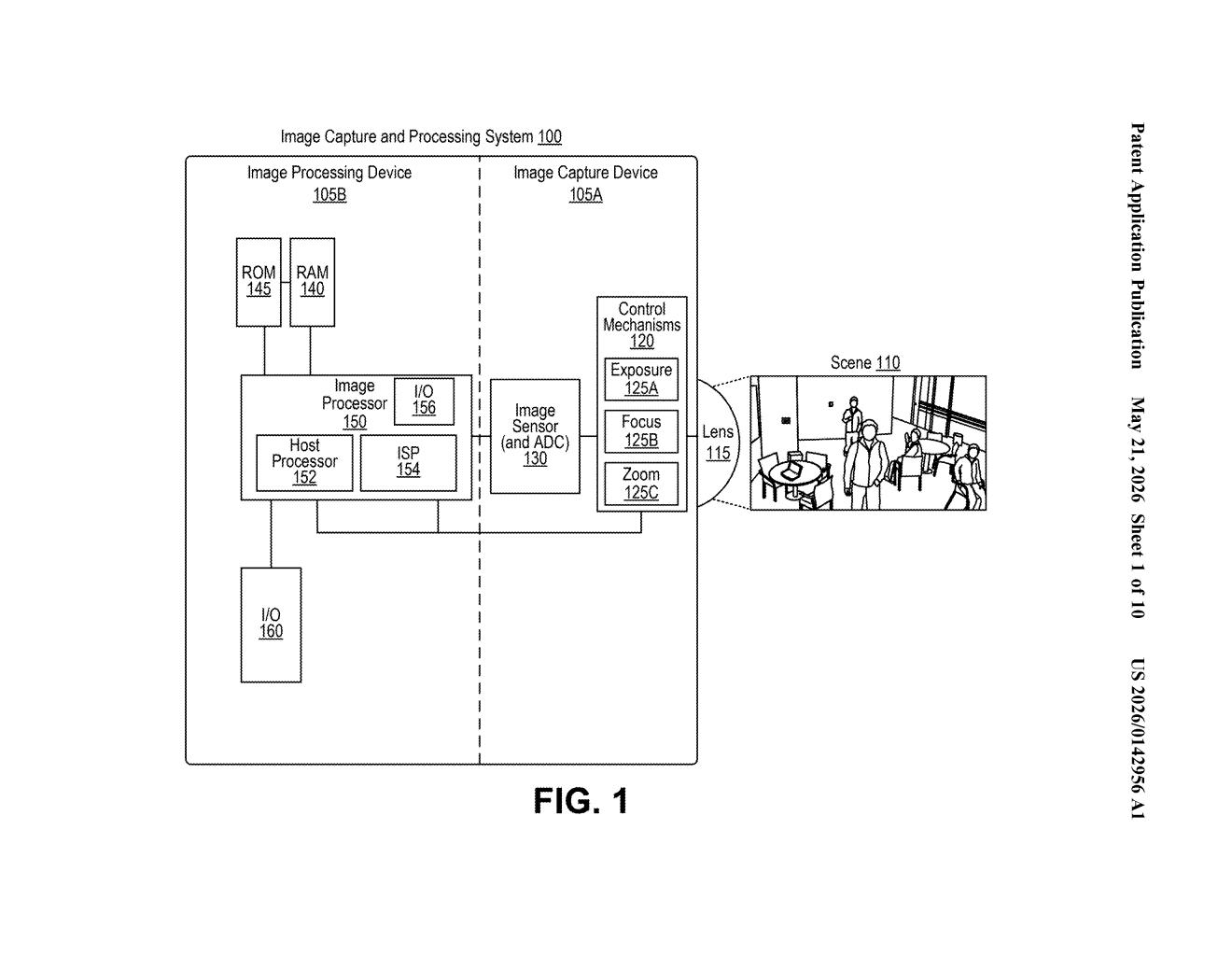
What Qualcomm's sensor scrambling system actually does
Imagine a security camera or a biometric sensor sending raw data across a cable or wireless link to a processor. Right now, that data can be intercepted between the sensor and the chip that handles it — and if it's unprotected, whoever grabs it gets the raw goods.
Qualcomm's patent describes a system where the sensor and the controller first shake hands and agree on a session key — a temporary secret code unique to that connection. The sensor then scrambles its data using that key before sending it anywhere. On the other side, only the controller with the matching key can unscramble it.
The neat part is that this happens implicitly — the security is embedded in how the data is transmitted, not layered on top as a separate step. You don't need a separate encryption module; the scrambling is the protection.
How the session key handshake and scramble pipeline works
The patent describes an apparatus — typically a chip or embedded processor — that sits between a sensor and a sensor controller. Its job is to intercept raw sensor data and scramble it using a session key derived from a prior security handshake (think of a handshake like a TLS negotiation, but lightweight enough for embedded hardware).
The process flow is straightforward:
- Handshake: The apparatus and the sensor controller negotiate and agree on a session key before any sensor data flows.
- Capture: Raw sensor data is obtained from the physical sensor (camera, LiDAR, biometric reader, etc.).
- Scramble: The data is scrambled — transformed using the session key so it's unreadable without the key.
- Transmit: The scrambled data travels across the transmission medium or interface bus to the controller, which holds the matching key and can reconstruct the original data.
The term "scrambling" here is doing real work — it's distinct from simple obfuscation. Combined with a session key (which rotates per connection, limiting replay attacks), this approach means intercepted data on the bus is cryptographically useless without the key. The patent emphasizes that the security is implicit in the data path itself rather than requiring a separate encryption layer.
What this means for sensor security in connected devices
Sensor buses inside devices — the links between cameras, radar, LiDAR, or biometric sensors and the main processor — are often treated as trusted internal connections. But as devices get more complex and more of their internals are exposed to firmware attacks or physical probing, that assumption is looking shakier. Qualcomm's approach pushes security closer to the data's origin, which is a solid defensive posture.
For Qualcomm specifically, this is relevant to its automotive, XR, and IoT chip lines, where sensor data integrity is critical. A spoofed or tampered camera feed in an ADAS system, for instance, is a serious safety concern — not just a privacy one. Baking session-key scrambling into the sensor pipeline at the hardware level is a practical answer to that threat.
This is competent, unglamorous security engineering — the kind of work that matters a lot in practice but won't make headlines at a keynote. The idea of session-key-based scrambling for sensor-to-controller links is sensible and addresses a real gap in embedded systems security. It's most interesting as a signal that Qualcomm is hardening its sensor interfaces for automotive and XR use cases, where data integrity has real safety stakes.
There are more where this came from
We read every patent application Big Tech publishes and send you the ones worth knowing. Plain English, free, every week.
Want this weekly breakdown for a company we don't cover? Patentlyze Pro →