
Samsung Patents a Lockdown Mode for Sharing Sensors Between Devices
Samsung is patenting a way to let one device hand over exclusive, encrypted access to its sensors — like a camera or heart-rate monitor — to another trusted device, while simultaneously blocking every other app on the network from peeking at that data.
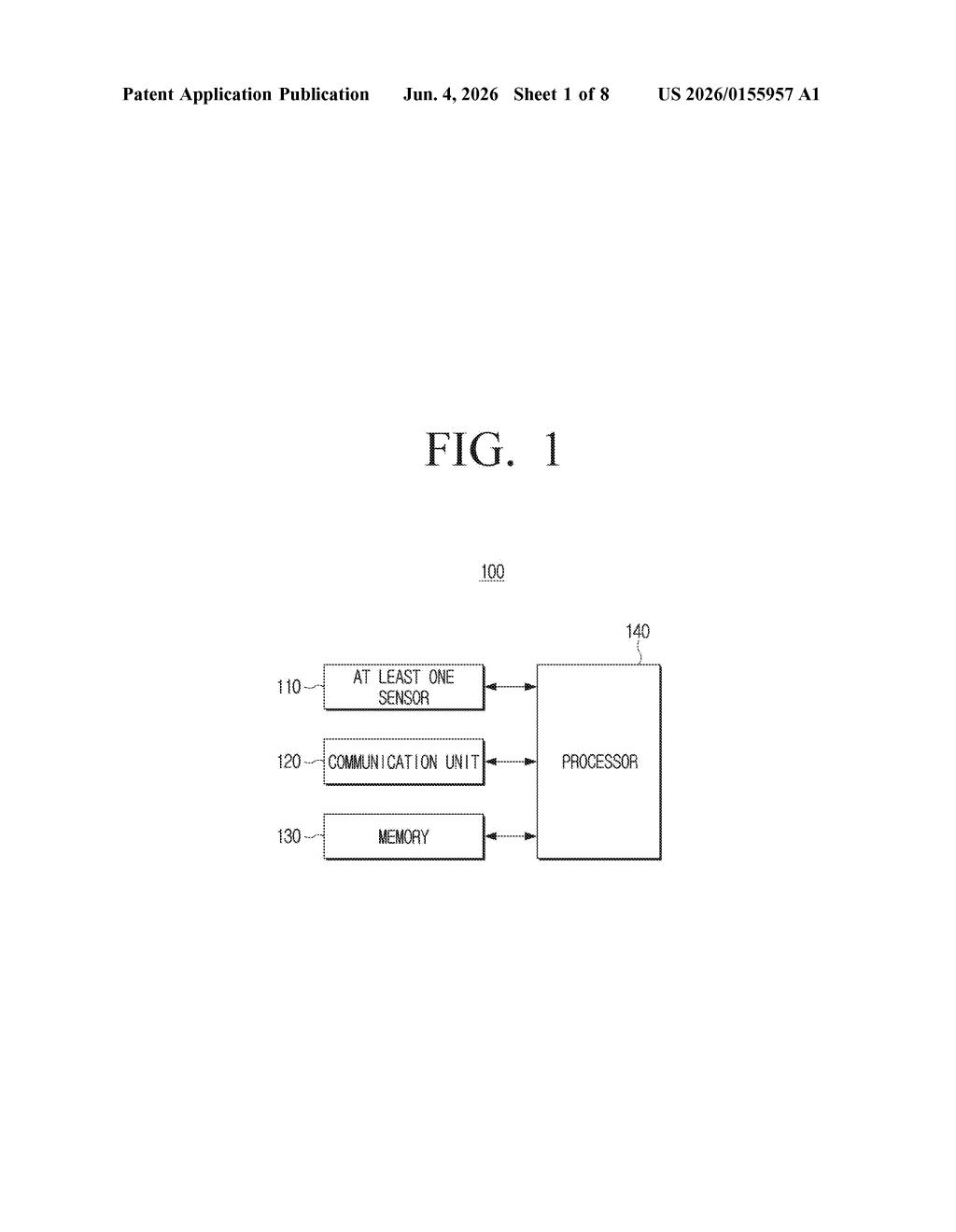
What Samsung's secure sensor-sharing system actually does
Imagine your smartwatch is reading your heart rate, but instead of just showing the number on its own screen, it needs to send that raw sensor feed securely to your phone — or maybe a medical device nearby. The problem is that all kinds of other apps on both devices could theoretically intercept or share that sensor at the same time, creating a privacy and security mess.
Samsung's patent describes a system that solves this by putting the sensor into a kind of exclusive lockdown mode. When an authorized external device asks for access to a specific sensor, the local device first checks that the sensor exists, then authenticates the requesting device. Once approved, it blocks every other app — on both the local device and other nearby devices — from using that sensor simultaneously.
Only after that lockout is in place does it open a dedicated encrypted channel to stream the sensor data. Think of it like a one-on-one secure phone call: no conference lines, no eavesdroppers, just the two trusted devices talking.
How the sensor lockout and encrypted channel work together
The patent describes an electronic apparatus — think a Samsung phone, smartwatch, or IoT sensor hub — that can respond to sensor-access requests from an external device over a communication link.
When a request comes in for a specific sensor type (e.g., a biometric sensor, camera, or environmental sensor), the system runs through a four-step sequence:
- Sensor identification: Confirms the requested sensor type actually exists on the device.
- Authentication: Verifies that the requesting external device is authorized to access that sensor — preventing rogue apps or unauthorized hardware from grabbing the data.
- Application blocking: This is the distinctive part. The system actively excludes all other applications — both on the local device and on other connected devices — from accessing that sensor type, except for the one application tied to the authorized external device's request. This prevents data leakage from parallel processes.
- Secure channel establishment: Uses encryption information to set up a dedicated security channel, then streams the sensor data exclusively through it.
The USPC classification 380/277 places this firmly in the cryptography and secure communications space, not just general sensor management. The blocking step is the real technical novelty here — it's not just encryption, it's also active isolation of the sensor resource.
What this means for Galaxy device cross-device health and security
For Samsung's Galaxy ecosystem — where phones, watches, earbuds, tablets, and smart home devices increasingly share data with each other — this kind of sensor-exclusivity protocol matters a lot. Health sensors in particular (heart rate, SpO2, ECG) are increasingly being piped to third-party medical apps or companion devices, and right now there's no standardized way to ensure only the intended recipient is reading the raw feed.
If this ships in something like Galaxy Health or a future medical-grade wearable, it could also help Samsung meet regulatory requirements in markets where health sensor data transmission has to be auditable and access-controlled. For you as a user, it means your biometric data is less likely to be silently consumed by a background app while a health app is actively using it.
This is quiet but genuinely useful infrastructure work. The sensor-blocking step — actively preventing all other apps from accessing a sensor while an exclusive remote session is active — goes meaningfully beyond just 'encrypt the channel,' and it's the kind of detail that matters for health and medical-adjacent use cases. Samsung is clearly thinking about a future where its devices are nodes in larger health or industrial monitoring systems, and this patent is a building block for that.
There are more where this came from
We read every patent application Big Tech publishes and send you the ones worth knowing. Plain English, free, every week.
Want this weekly breakdown for a company we don't cover? Patentlyze Pro →