
Samsung Patents a Single Sensor That Checks Three Chip Health Signs at Once
Keeping a chip running accurately requires checking several things at once — timing wobble, manufacturing consistency, and signal shape — and Samsung is patenting a single sensor circuit that can do all three without extra hardware.
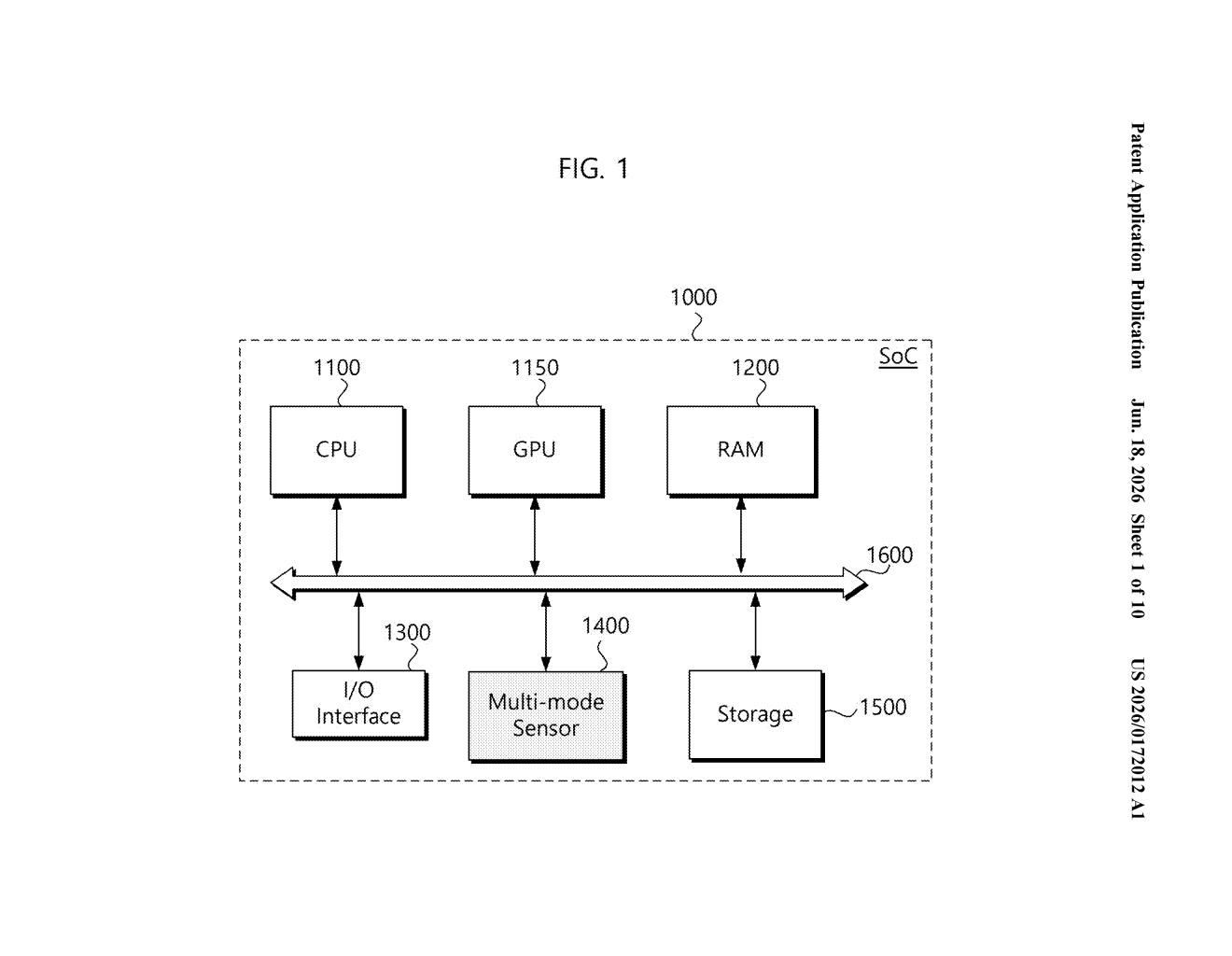
What Samsung's three-in-one chip sensor actually checks
Imagine your car's dashboard warning lights all sharing one sensor pod instead of having separate sensors for oil, temperature, and tire pressure. That's roughly what Samsung is going for here, but inside a computer chip.
Every chip runs on a clock — a rapid, rhythmic electrical pulse that keeps everything in sync. If that clock wobbles, arrives unevenly, or has the wrong shape, things go wrong fast. Chips also behave slightly differently depending on how they came off the factory line, and that variation needs monitoring too.
Samsung's patent describes a single sensor that can switch between three checks: how much the clock signal is wobbling (jitter), how the chip's internal circuitry compares to a target speed, and whether the clock's on-and-off pulses are evenly balanced. One circuit, three jobs — which can save space and simplify the hardware needed to keep a chip healthy.
How the delay chain measures timing in each mode
The patented sensor operates in three distinct modes, selected at runtime:
- Jitter sensing mode: Detects small, unwanted variations in when a clock pulse arrives versus when it should. Think of it like checking whether a metronome's ticks are perfectly even or drifting slightly.
- Processor corner sensing mode: Measures how fast signals travel through a chain of delay elements — tiny circuits that each introduce a fixed pause. Because manufacturing tolerances vary, the same chip design can be slightly faster or slower depending on which batch it came from. This mode quantifies that variation.
- Duty ratio sensing mode: Checks whether a clock signal spends equal time in its "on" and "off" states. A 50/50 split is typically ideal; an imbalance can cause subtle errors in circuits that rely on both edges of the clock.
All three modes share a common hardware backbone: a pulse generator (which creates the reference signals), a delay chain (a series of delay elements that the signal propagates through), and an adder that counts how many delay stages a pulse passed through in a given window. By changing what kind of signal it feeds in and how it measures the output, the same circuit handles each mode.
The window signal acts as a gating mechanism — it defines a precise time interval during which the sensor captures data, making measurements repeatable and consistent across modes.
What this means for chip reliability and power efficiency
For chip designers, combining three measurement functions into one sensor circuit reduces the silicon area required for on-chip monitoring. In large chips with many cores — like the processors inside smartphones or server chips — this kind of efficiency adds up quickly because similar sensors may need to be placed across dozens of locations on the die.
For you as a consumer, healthier, better-monitored chips can mean more consistent performance and fewer stress-related failures over time. Samsung manufactures chips for its own Galaxy devices as well as for other companies through its foundry business, so improvements in on-chip sensing technology could eventually show up across a wide range of products.
This is a solid but unglamorous piece of chip-engineering infrastructure. The three-in-one approach is clever, and real space savings on dense silicon are genuinely useful — but this is the kind of patent that matters to chip architects, not end users. It's worth filing a mental note if you follow Samsung's semiconductor strategy, but it won't make headlines anywhere outside trade publications.
There are more where this came from
We read every patent application Big Tech publishes and send you the ones worth knowing. Plain English, free, every week.
Want this weekly breakdown for a company we don't cover? Patentlyze Pro →