
Samsung Patents Earbuds That Fix Their Own Fit With a Tiny Valve
Your earbuds can't tell when they're sitting crooked in your ear — but Samsung is patenting a system that can, and automatically compensates by adjusting a tiny internal valve.
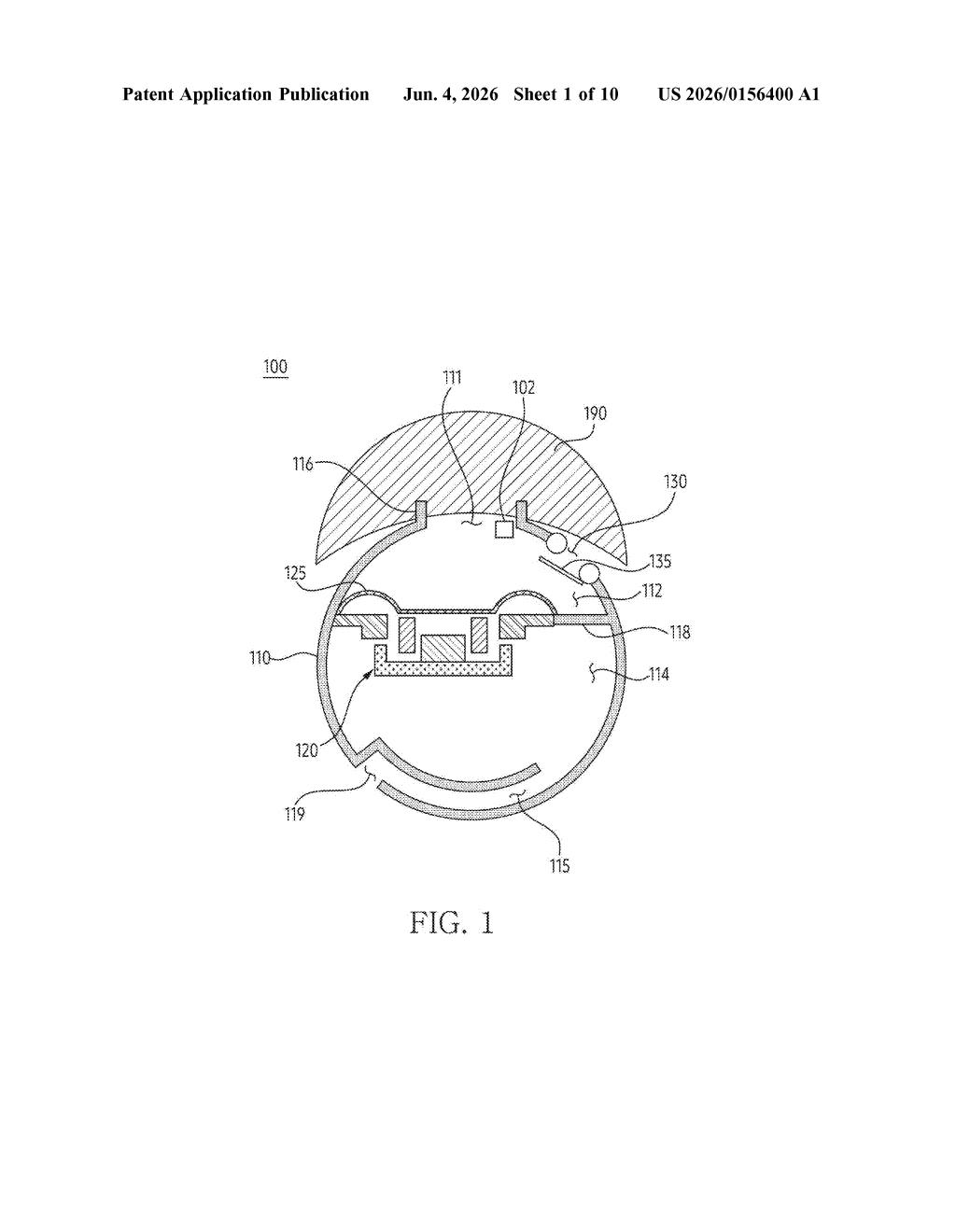
What Samsung's self-adjusting earbud vent actually does
Imagine you pop in your earbuds while running, and one of them shifts slightly in your ear. Suddenly the bass disappears, voices sound tinny, and the whole listening experience falls apart. That's acoustic leakage — sound escaping around the seal — and it's one of the most common complaints with in-ear headphones.
Samsung's new patent describes earbuds with a small motorized valve inside the housing. A built-in sensor continuously monitors how much sound is leaking out through the acoustic port (the opening that carries audio to your ear canal). When leakage is detected, a processor tells the valve to partially close a secondary opening called a vent hole, which reshapes the acoustic pressure inside the earbud and effectively tightens the sound output to compensate.
The practical result: instead of you stopping your workout to reseat the earbud, the device quietly makes a small mechanical adjustment to keep your audio sounding right. It's a self-correcting fit system built into the hardware itself.
How the sensor and micro valve close the acoustic loop
The patent describes an earpiece with four main components working together: a speaker with a diaphragm, an acoustic port (the channel that delivers sound outward), a vent hole connected to the front cavity of the speaker, and a micro valve that can open or partially close that vent hole on command.
A sensor inside the housing measures the current leakage level at the acoustic port — essentially detecting how much sound is escaping rather than reaching your eardrum. The patent doesn't specify the exact sensor type, but likely candidates include microphones or pressure sensors that can read acoustic pressure differentials.
The onboard processor takes that leakage reading and calculates how much to close the valve. Crucially, it's not binary (fully open vs. fully closed) — the system controls the degree of closure, meaning it can make fine-grained adjustments rather than just toggling a switch. This allows the acoustic front space to be tuned dynamically.
The core insight is that closing the vent hole changes the acoustic impedance (resistance to sound flow) inside the earbud, which in turn affects how efficiently audio reaches the ear despite a loose physical fit. It's a mechanical workaround for what would otherwise require a perfect physical seal.
What this means for Galaxy Buds sound quality
For Galaxy Buds users — or anyone who has ever struggled with ear tips that don't quite fit — this kind of active compensation could meaningfully reduce one of the most persistent hardware frustrations in consumer audio. Currently, getting the right fit requires swapping silicone tip sizes manually; this approach lets the firmware handle small deviations automatically.
More broadly, this patent signals Samsung's interest in moving acoustic tuning into the mechanical layer of the hardware, rather than relying purely on digital signal processing (EQ adjustments in software). That's a more expensive and complex approach, but it addresses a problem that software EQ alone can't fully solve — because leakage is a physical loss of energy, not just a tonal imbalance.
This is a genuinely clever hardware approach to a problem every earbud user knows. Using a micro valve to mechanically adapt to fit variation is more robust than purely software-based EQ compensation, and the real-time closed-loop control — sense leakage, adjust valve, re-measure — suggests Samsung is thinking seriously about reliability here. Whether the manufacturing cost pencils out for a mass-market product is the real question.
There are more where this came from
We read every patent application Big Tech publishes and send you the ones worth knowing. Plain English, free, every week.
Want this weekly breakdown for a company we don't cover? Patentlyze Pro →