
Samsung Patents a Light That Adapts to Your Room's Sun Exposure Over the Day
A north-facing office and a south-facing living room need very different amounts of artificial light at 2pm — Samsung's new patent is designed to handle exactly that, automatically.
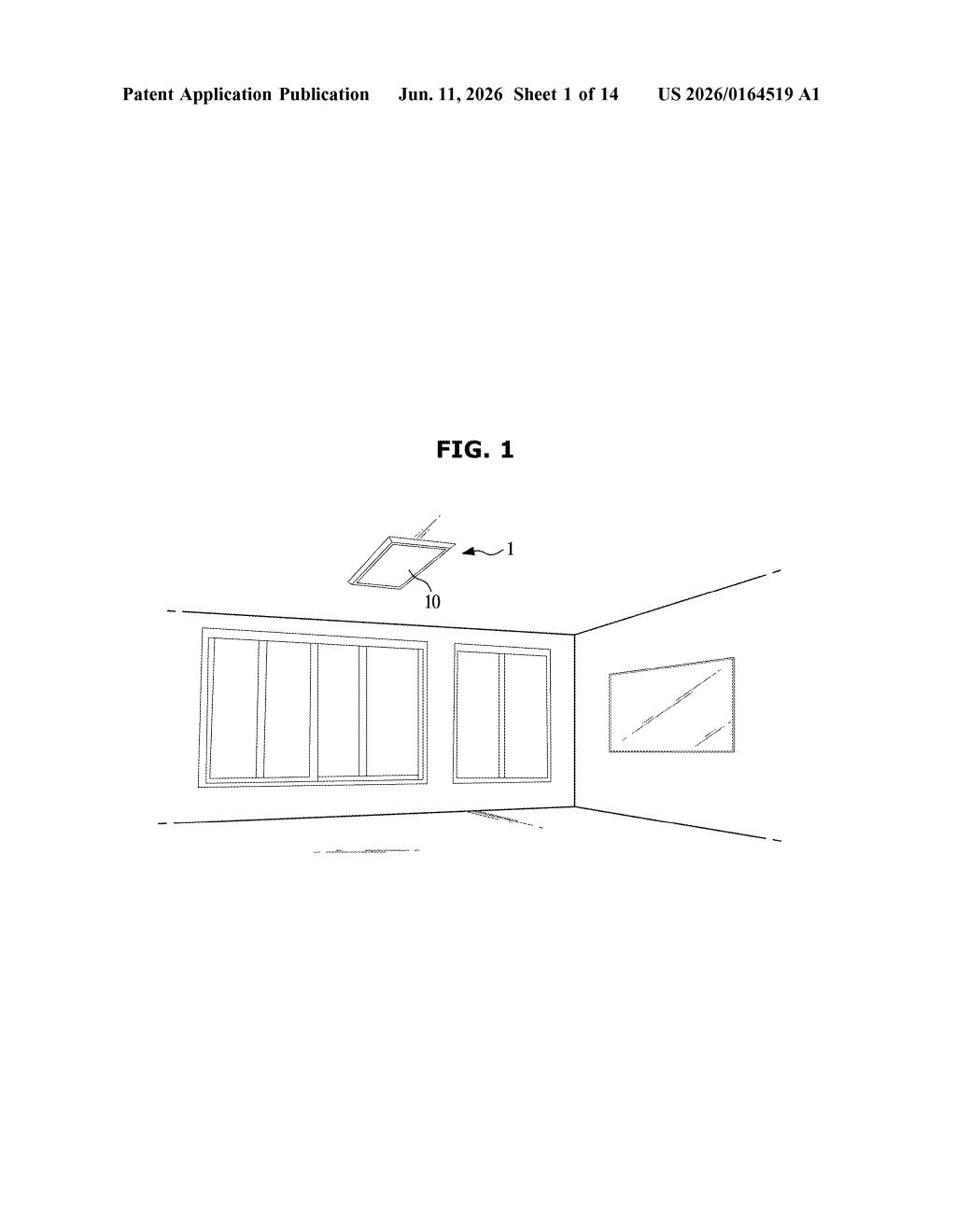
What Samsung's direction-aware lighting actually does
Imagine your home office faces north, so it barely gets any direct sunlight. Meanwhile, your partner's south-facing bedroom is flooded with afternoon sun. A regular smart light doesn't know any of that — it just turns on when you ask and off when you don't.
Samsung's patent describes a lighting system that knows which direction your room faces and uses that, combined with the time of day, to set the right brightness level automatically. You tell the light (via your phone) which way the room points, and it takes care of the rest — dimming or brightening as natural light would naturally rise and fall.
The light itself uses a grid of individual LED elements arranged in a flat panel, giving it fine control over how much light it puts out. The goal is to keep indoor brightness at a consistent, comfortable level without you having to fiddle with a dimmer every hour.
How the system maps room orientation to brightness targets
The patent describes a ceiling or wall-mounted lighting device with a two-dimensional array of LEDs — essentially a flat grid of individual light emitters that can be controlled together to hit a precise brightness level.
The key piece is what Samsung calls a target illuminance: a stored brightness goal that's tied to two variables — the orientation of the room (which compass direction it faces) and the time of day. The user inputs the room's facing direction through a companion app on their phone, and the device cross-references that with the current time to decide how bright to shine.
The logic behind this is straightforward: a room facing west will get intense afternoon sun but be dark in the morning, while an east-facing room is the opposite. The lighting device compensates by filling in the gap — brighter when natural light is low, dimmer when it's high — aiming for a consistent, pre-set illuminance level throughout the day.
- Communicator: connects to the user's phone to receive room orientation input
- 2D LED array: the light-emitting panel with granular brightness control
- Stored illuminance targets: preset brightness goals mapped to direction and time
- Processor: matches current time and room direction to the right brightness setting
What this means for automated home and office lighting
For anyone who's ever squinted at a screen because the afternoon sun turned their room into a greenhouse — or sat in a dim room that felt gloomy despite ceiling lights being on — this kind of automation is genuinely useful. The promise is that your lighting adapts to your room's solar reality, not just a generic schedule you programmed in once and forgot.
On a broader level, this fits Samsung's push to make its smart home devices feel less like gadgets you configure and more like systems that just work. The practical impact could extend to office buildings and commercial spaces where consistent lighting levels matter for productivity and energy efficiency, not just home comfort.
This is a sensible, incremental improvement to smart lighting — not flashy, but the kind of thing that makes a real difference in daily use. The core insight (that a room's compass direction predicts its natural light needs throughout the day) is obvious in retrospect but surprisingly absent from most smart lighting products today. Whether Samsung ships this in a consumer product or keeps it as a building-management system feature will determine how much anyone notices.
There are more where this came from
We read every patent application Big Tech publishes and send you the ones worth knowing. Plain English, free, every week.
Want this weekly breakdown for a company we don't cover? Patentlyze Pro →