
Qualcomm Patents a System That Stops Nearby Shelf Labels from Flashing the Same Alert
When two electronic shelf labels are inches apart and both need to flash an alert, how does a store employee know which one to look at? Qualcomm's new patent tackles exactly that problem.
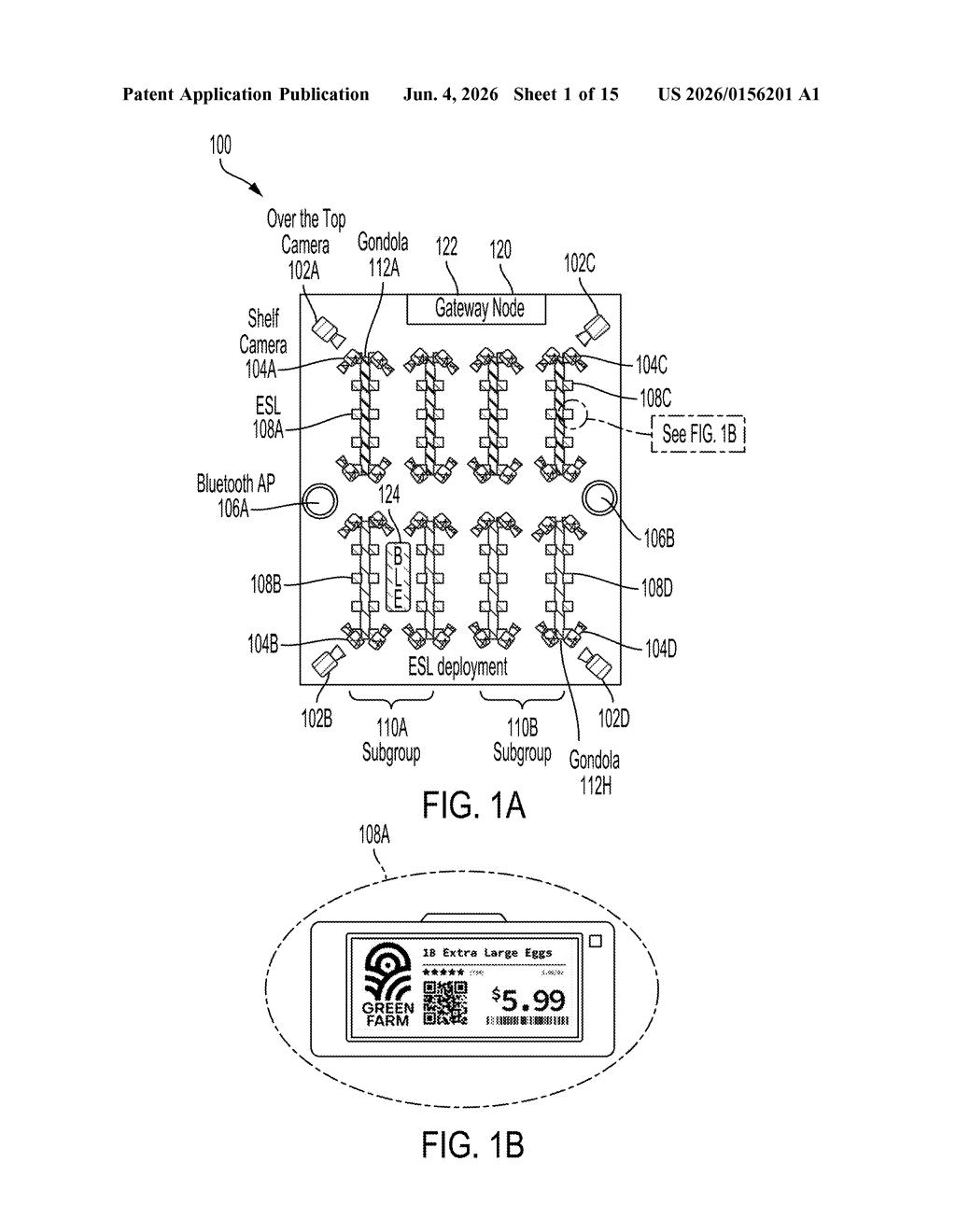
What Qualcomm's shelf-label conflict fix actually does
Picture a grocery store aisle where two products sitting side by side both need a price update at the same time. If both their electronic shelf labels flash the same color or pattern, a staff member walking over has no idea which item actually needs attention — or whether the alert is for the left product or the right one.
Qualcomm's patent describes a coordination system that checks whether two ESL labels are physically close to each other. If they are, it deliberately assigns them different notification styles — think different colors, blink patterns, or tones — so there's no visual confusion about which label the alert belongs to.
The whole thing runs wirelessly, with a central device managing the notification assignments across the store. It's a coordination layer, not a cosmetic tweak: the system is solving a real operational problem that gets worse the denser a store's shelf layout becomes.
How the coordinator picks different alerts for nearby ESLs
The patent describes a wireless coordinator device that receives notification requests from multiple ESL nodes — the small wireless price-tag displays attached to retail shelves. Each ESL can request an alert (a visual flash, a color change, an audible ping) when its display needs updating or a staff action is required.
The key step is a proximity condition check: the coordinator evaluates whether the physical locations of two requesting ESLs fall within a defined distance threshold of each other. If they do, it doesn't just queue up identical alerts for both — it transmits differentiated notification indication information, meaning ESL A gets one alert type and ESL B gets a distinct one.
This matters because ESL notifications are typically used to guide store associates to the right physical location. The patent's logic:
- Receive concurrent notification requests from ESL device 1 and ESL device 2
- Check whether their registered locations satisfy the proximity condition
- If yes, assign non-identical notifications to each
- Transmit the differentiated assignments back to both ESLs
The patent doesn't prescribe exactly what makes notifications "different" — that could mean color, blink rate, tone, or a numeric code — leaving implementation flexibility. The core claim is the coordination logic that triggers differentiation based on spatial proximity.
What this means for retail stores using wireless shelf labels
Retail is one of the fastest-growing markets for wireless IoT infrastructure, and ESL deployments are scaling from hundreds of labels per store to tens of thousands. At that density, notification collisions — two adjacent labels doing the same thing simultaneously — become a genuine operational headache, slowing down restocking and price-change workflows.
For Qualcomm, this patent fits squarely into its broader push into retail and commercial IoT via its wireless chipsets and connectivity platforms. A coordination protocol like this could sit inside a store's access point or a dedicated ESL gateway — hardware categories where Qualcomm already has a presence. You probably won't notice this as a shopper, but store operations teams managing large-format retail would.
This is a narrow but genuinely practical patent — it solves a real coordination problem that anyone who's watched a store associate stare blankly at two blinking shelf labels will immediately recognize. It's not headline-grabbing tech, but it's the kind of quiet infrastructure work that makes large-scale ESL deployments actually usable. Qualcomm is positioning itself as more than a chip supplier in the retail IoT stack, and patents like this build that case.
There are more where this came from
We read every patent application Big Tech publishes and send you the ones worth knowing. Plain English, free, every week.
Want this weekly breakdown for a company we don't cover? Patentlyze Pro →