
Samsung Patents a Way to Keep Your Smartwatch on Course When GPS Fails
When your smartwatch loses GPS signal in a tunnel or city canyon, Samsung's new patent has a backup plan: borrow orientation data from another wearable device you're wearing at the same time.
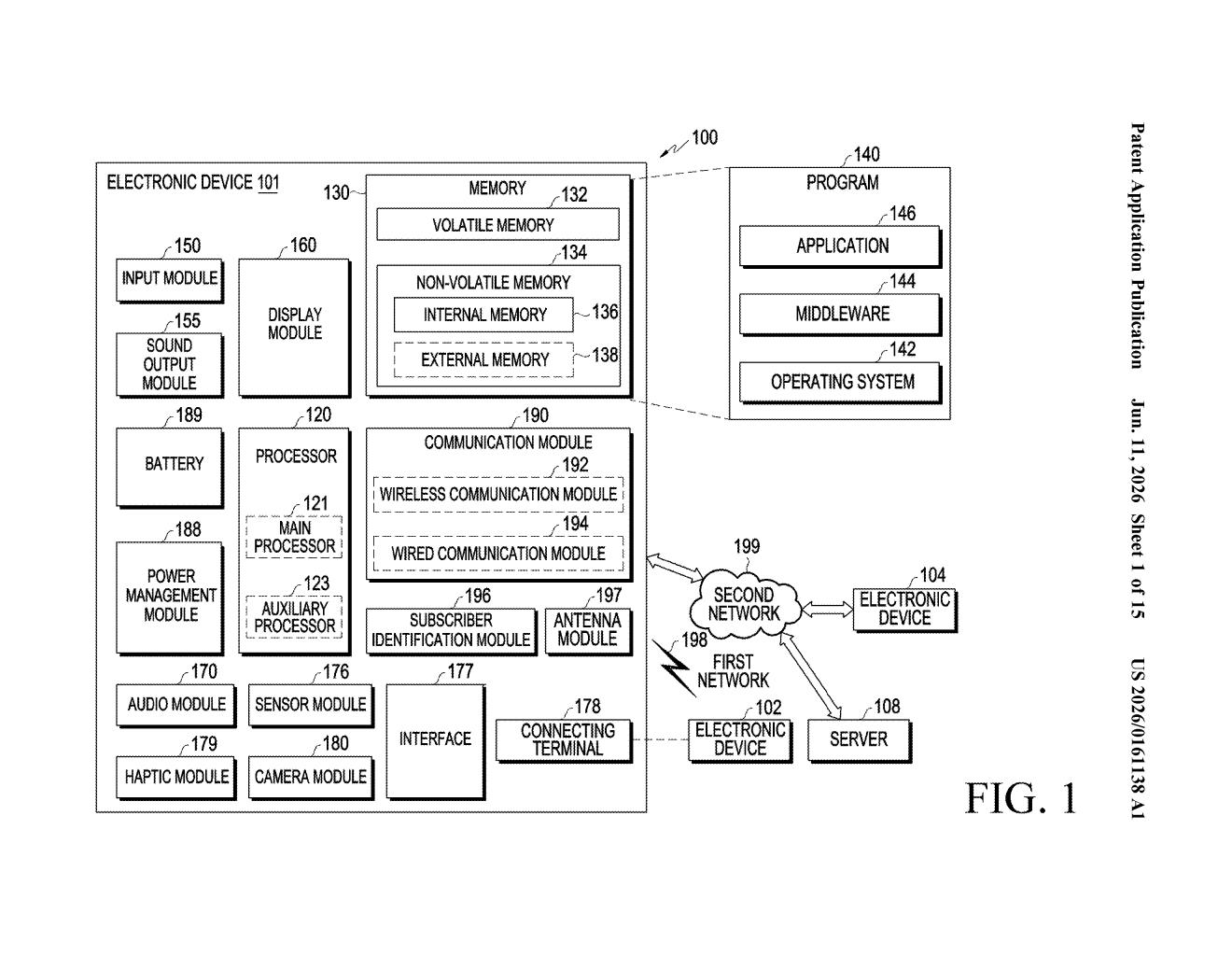
How Samsung's two-device navigation backup works
Imagine you're out for a run and your smartwatch is tracking your route. You enter a subway tunnel or walk between tall buildings, and the GPS signal drops. Your watch loses track of which direction you're heading — a frustrating gap in your fitness or navigation app.
Samsung's newly filed patent tackles this by letting your smartwatch team up with a second wearable device — think a fitness band or another sensor worn somewhere else on your body. When GPS weakens below a usable level, the watch asks the second device for its posture data (basically how it's oriented in space). The watch then uses that information to keep estimating your direction of travel, even without a satellite signal.
The key is that different wearables sit on different parts of your body, and combining their motion readings can paint a more complete picture of where you're headed. It's a team effort between two gadgets you're already wearing.
How posture data from a second wearable fills the GPS gap
The patent describes a wearable electronic device — most likely a smartwatch — that runs a location-based app and continuously monitors its own GPS signal quality.
When the device detects that the GPS reception has fallen to or below a set threshold, it reaches out over a wireless connection (Bluetooth or Wi-Fi) to a second paired wearable. It asks that second device to calculate and share its posture information — sensor readings that describe the device's physical orientation and motion in three dimensions.
The primary watch then feeds that posture data into a technique called pedestrian dead reckoning (PDR), which is a way of estimating your current position by tracking your movement steps and direction from a last-known point, without relying on GPS. Think of it like a sailor using speed and compass heading to estimate position when landmarks aren't visible.
- GPS signal is monitored continuously during navigation
- When signal drops, the watch pings the second wearable for its orientation data
- That external posture data supplements or replaces the failed GPS input in the dead reckoning calculation
- The result is a continuous direction estimate even in GPS-dead zones
What this means for wearable navigation in cities and indoors
GPS blind spots are a real everyday problem — urban canyons, underground transit, dense building interiors, and even wrist position relative to the body can all degrade signal quality. Navigation and fitness apps break down exactly when users often need them most, like mid-run or mid-commute.
Samsung's approach is notable because it doesn't require better hardware — it uses devices you already own and wears on your body right now. If Samsung's Galaxy Watch ecosystem (paired with a Galaxy Ring or a second band, for example) could implement this, it would make direction tracking meaningfully more reliable without a chip upgrade. That's a software-and-sensor-fusion story that could show up in a routine firmware update rather than a new product launch.
This is genuinely practical engineering, not a flashy concept. Dead reckoning has been around for centuries, but applying it across two wearables in real time to patch GPS gaps is a smart use of the multi-device ecosystem Samsung has been building. If it ships, it solves a real annoyance for runners and commuters — and gives Samsung's wearable lineup a concrete advantage over single-device setups.
There are more where this came from
We read every patent application Big Tech publishes and send you the ones worth knowing. Plain English, free, every week.
Want this weekly breakdown for a company we don't cover? Patentlyze Pro →