
Sony Patent Automatically Sorts Software Tests Into Manual and Automated Categories
Every time Sony ships a software update, engineers have to figure out which tests a machine can run and which ones need a human. This patent tries to make that sorting process happen on its own.
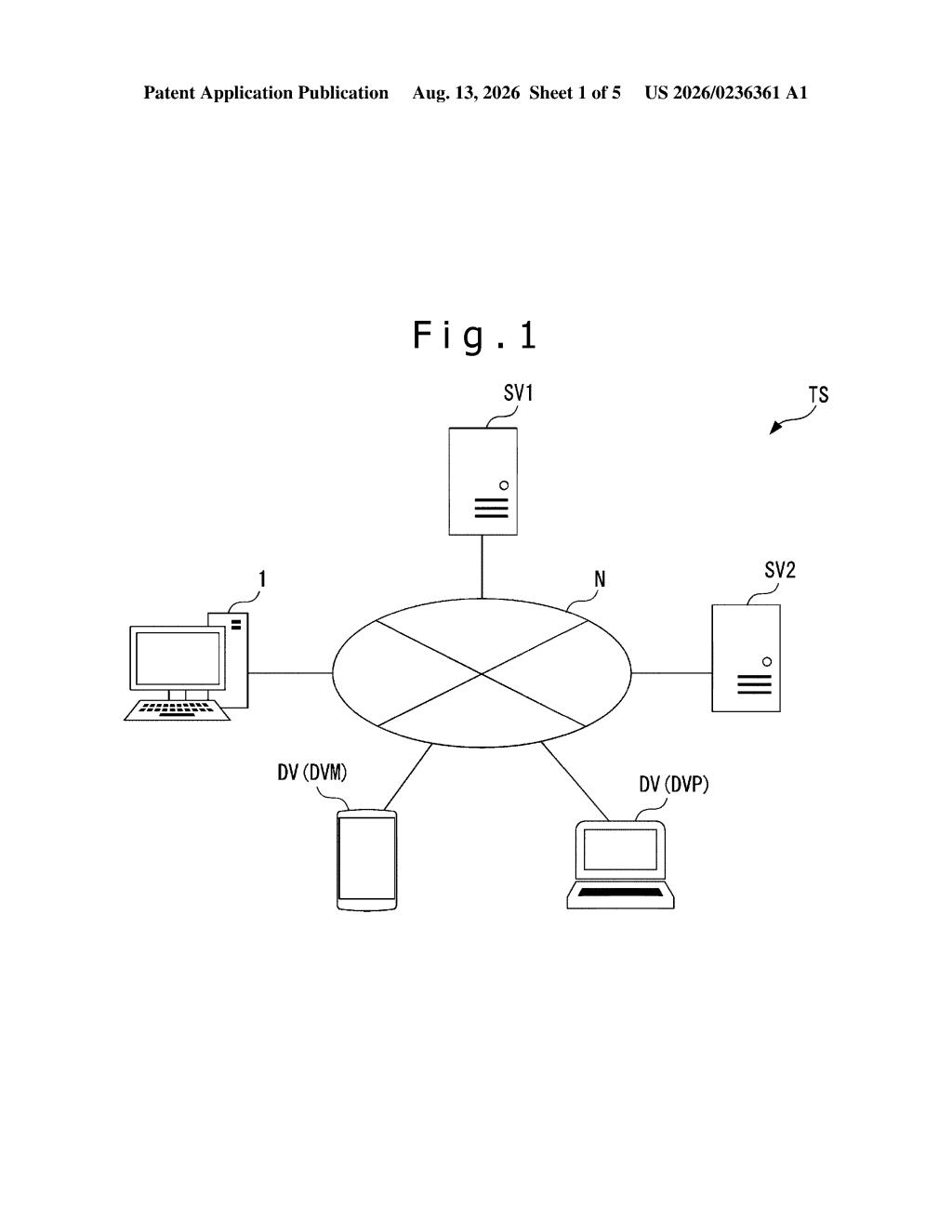
What Sony's test-sorting device actually does
Before any major software release, someone has to go through a long list of tests and decide which ones a computer can handle automatically and which ones need a person sitting at a keyboard. That process is slow, repetitive, and prone to human error, and Sony wants to automate it.
The patent describes a device that reads labels attached to each test case. It uses one label to figure out which tests are even on the table for a given release, then uses a second label on each shortlisted test to decide whether a machine or a human should run it. The result is two sorted piles: one queue for automated testing, one for manual review.
For you as a PlayStation user, this kind of behind-the-scenes work is what keeps firmware updates from breaking things. Faster, more consistent test sorting means engineers spend their time actually fixing problems rather than shuffling spreadsheets.
… determine, based on a second attribute included in the target test case, whether the target test case is a test case for automatic test; and classify the target test cases into the target test case for automatic test and the target test case for manual test.
Translation: The system looks at specific details of a test to decide if it should be run by a computer or a human.
How the device reads attributes to split test cases
The patent describes a test assistance device built around a processor and memory that stores the sorting logic. It works in two stages, using what the patent calls attributes, which are essentially metadata tags attached to test cases.
- Stage one (selection): The processor looks at a first attribute on each test case in the full library. This attribute tells the system which tests are relevant targets for the current software version or release cycle, so irrelevant tests get filtered out immediately.
- Stage two (classification): For every test that survives the first filter, the processor reads a second attribute to decide whether the test can be run by an automated framework or whether a human tester needs to do it. Tests get sorted into one of two output queues: automatic or manual.
The core idea is that classification rules which engineers currently apply by hand, often by reading spreadsheets or ticketing systems, get encoded once into the device's logic and then applied consistently every time. The patent applies specifically to system software, the low-level operating code (think PlayStation firmware) rather than games themselves, where test libraries can run to thousands of cases.
A test assistance device includes a memory that stores a program and a processor that executes the program. The processor, by executing the program, selects, based on a first attribute included in a test case group of system software, a target test case that is a test execution target from the test case group …
Translation: The device uses software to scan a large collection of system tests and pick out the ones that need to be run.
What this means for PlayStation software quality
The cost of bad software testing is real: a missed bug in system firmware can brick a console or expose a security hole across millions of devices. The manual step of sorting which tests to run, and who runs them, is one of those places where fatigue and time pressure cause mistakes. Automating that triage step removes a consistent source of error before testing even begins.
Sony Interactive Entertainment files across a wide range of engineering problems, and this one sits squarely in the unglamorous but operationally important category of software quality infrastructure. It is part of a broader wave of interesting tech patents in software testing automation, where companies are encoding tribal knowledge about test management into systems that can apply it at scale without depending on any single engineer's judgment.
Miscategorized tests carry a measurable cost: they either slow down releases because humans are running things machines could handle, or let bugs through because automated tools run tests they were never designed to catch. Sony's approach, tagging test cases with two layers of attributes and letting a processor apply the rules, is a proportionate fix for that specific failure mode. The patent describes nothing architecturally new, but encoding this judgment into a device instead of leaving it to individual engineers is the sort of systemic fix that reduces defect rates over time.
There are more where this came from
We read every patent application Big Tech publishes and send you the ones worth knowing. Plain English, free, every week.
The drawings
5 drawing sheets from US 2026/0236361 A1 · click any drawing to enlarge


Want this weekly breakdown for a company we don't cover? Patentlyze Pro →
Be the first to weigh in