
Sony Patents a System That Changes Your 3D Avatar to Fit Any Virtual World
Your cartoon avatar walks into a photorealistic virtual city and looks completely out of place. Sony's latest patent tries to fix that automatically, by reading the visual style of any virtual world and adjusting your 3D character to blend in.
What Sony's auto-avatar styling system actually does for you
Every time you move between apps or virtual spaces online, the look and feel can change dramatically, and your personal avatar often sticks out like a crayon drawing in a photograph. That clash is the problem Sony is trying to solve.
The patent describes a system that scans a virtual world's visual style, its color palette, lighting, and overall aesthetic, and then reshapes or reskins your personal 3D character to fit that environment before placing you inside it. You would not have to manually redesign your avatar each time you switch worlds.
Think of it as an automatic wardrobe change. Your underlying digital identity stays yours, but the system adjusts how you appear so you do not look wildly out of place wherever you land. That is especially relevant as more platforms try to let users carry their avatars from one virtual space to another.
an acquisition section that acquires an analysis result of visual features of a virtual world; a style adjustment section that adjusts a user's 3D object data on a basis of the analysis result; and an output section that deploys the adjusted 3D object data to the virtual world …
Translation: The system scans the look of a virtual space and alters your avatar to match it before dropping you in.
How the style adjustment pipeline reads and applies a world's look
The system has three main parts working in sequence.
- Acquisition section: This component gathers an analysis of the visual features of a given virtual world. Visual features here means the stylistic qualities of the environment, things like whether it looks hand-drawn, photorealistic, cel-shaded (a style that mimics animation), or neon-lit.
- Style adjustment section: Using that analysis, this part modifies the user's existing 3D object data, meaning the data file that defines how their avatar or object looks. It rewrites the appearance to align with the world's aesthetic.
- Output section: The adjusted 3D data is then deployed into the virtual world, so the object that actually appears there already matches the surrounding visual context.
The patent uses the broad term "3D object," which could mean a user's avatar, a personal item they carry, or any other user-controlled asset. The adjustment happens on the basis of an analysis result, meaning some prior process has already characterized the world's look and handed that characterization to the style section.
The claim is intentionally wide, covering the apparatus itself rather than one specific algorithm, which means the underlying style-transfer method could take several forms.
… adjust an appearance of a three-dimensional object according to visual features of a metaverse.
Translation: It changes how your character looks based on the specific style of the digital world you enter.
What this means for people moving between virtual spaces
For anyone who spends time in virtual social spaces or games, this addresses a real annoyance: your carefully designed avatar can look wrong or broken the moment you move into a world built with a completely different art style. An automatic fix removes a tedious manual step and could make cross-platform avatar portability, one of the big promises of the metaverse concept, feel far more polished in practice.
For Sony, which ships both gaming hardware and virtual-world platforms, Sony's track record in metaverse and avatar patents shows this is part of a longer effort to make identity portable across virtual environments. Whether this reaches a real product depends on how complex the style-analysis step turns out to be in practice, but the problem it targets is genuine.
Sony's 486th filing we've tracked since May builds on work like AI face generation and glass vs. plastic sensing, part of our Sony coverage
The user-facing payoff here is modest but real. Right now, moving an avatar between virtual worlds is either impossible or results in something that looks visually broken. A system that handles that mismatch would remove friction most people do not even know to name until they hit it.
The patent is fairly high-level. It describes the overall architecture but leaves the hard part, how you actually analyze a world's visual style and translate that into changes to a 3D model, unspecified. That is a significant open question, and the real engineering challenge lives entirely outside this document.
As a signal of direction, it fits: Sony has both the avatar infrastructure through PlayStation and the content ecosystems to make cross-world identity a real user concern. Whether this particular filing ever ships as a feature, the problem it addresses will only become more visible as virtual spaces multiply.
There are more where this came from
We read every patent application Big Tech publishes and send you the ones worth knowing. Plain English, free, every week.
The drawings
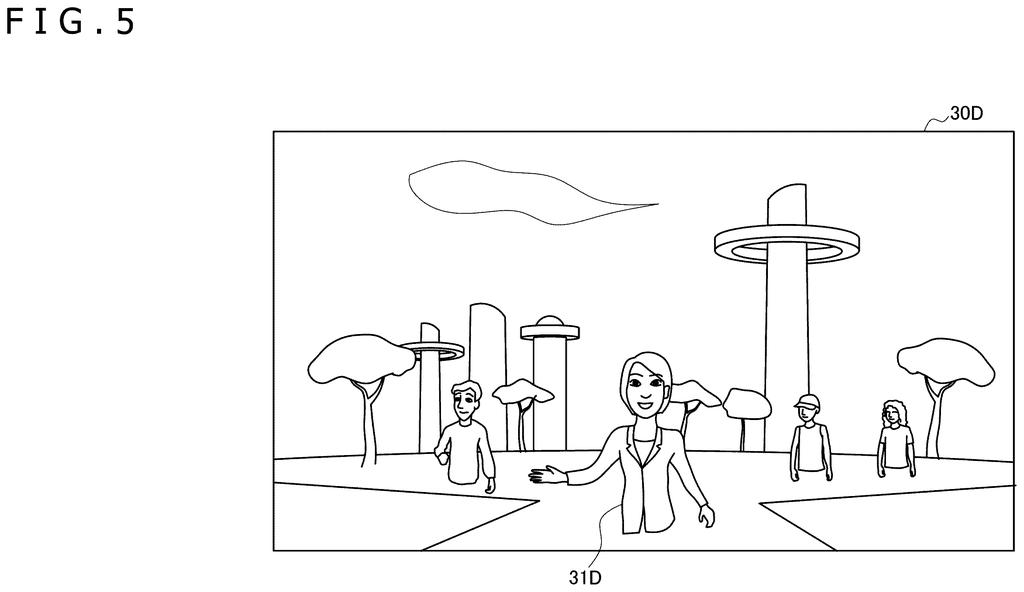
9 drawing sheets from US 2026/0278971 A1 · click any drawing to enlarge


Want this weekly breakdown for a company we don't cover? Patentlyze Pro →
Be the first to weigh in