
Sony Patents a Camera Interface That Flags Mismatched Settings Across Multiple Cameras
Running several cameras at once and discovering they were set differently only after you've wrapped is a painful lesson in lost footage. Sony has filed a patent for a system that spots those mismatches in real time, right on screen.
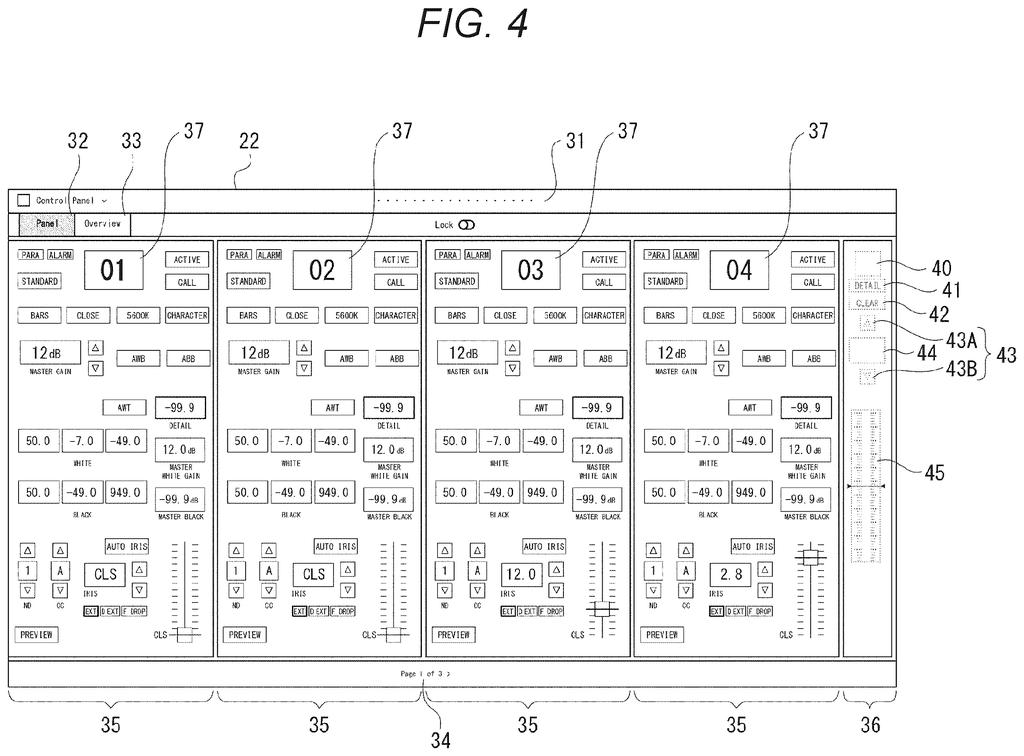
How Sony's multi-camera settings checker actually works
A camera operator sits down to review footage from a three-camera shoot and realizes one camera was set to the wrong white balance the entire time. The clips don't match, and nothing can fix that in post. Sony's patent describes a tool built to stop that from happening.
The idea is a single-screen list that shows the settings of all your connected cameras side by side. When two cameras share a setting, the system automatically checks whether they agree. If they don't, it highlights the difference directly in that list so you can see the problem at a glance, not after the fact.
You wouldn't have to open each camera's menu individually or mentally compare numbers. The mismatch comes to you, flagged and visible, before you roll.
… perform difference determination processing of setting values for each of common setting items related to a plurality of the cameras, and to cause display according to a difference determination result to be executed together with the list display.
Translation: It automatically compares those settings across the cameras and highlights any mismatches right on the screen.
How the device compares and surfaces setting differences
The patent describes an information processing device with a user interface control unit that handles three tasks at once:
- It pulls the current settings from multiple cameras and displays them together in a single list.
- It identifies which settings appear across more than one camera (these are called common setting items, meaning things like shutter speed, ISO, or white balance that every camera in the group can control).
- It runs a difference determination process, essentially a comparison check, on those shared settings and then displays the result alongside the list, so mismatches are visible without any extra action from the user.
The patent does not specify exactly how the mismatch is shown visually (color coding, an icon, a warning label), but it does specify that the result of the comparison must appear together with the list display, not on a separate screen or after a menu action.
The scope covers cameras as a general category, which could mean cinema cameras, broadcast cameras, or consumer cameras, though the patent does not name specific products. The system works across a plurality of cameras, meaning at least two, and focuses on the shared subset of settings that those cameras have in common.
What this means for multi-camera film and live production
Multi-camera productions, from sports broadcasts to wedding videos to film sets, rely on all cameras being in sync. A single mismatched setting can mean unusable footage. Right now, catching that problem usually means someone manually checking each camera or reviewing a metadata report after the shoot. This patent describes moving that check into the live workflow, where you can actually act on it.
For professional production teams, this kind of interface could reduce costly reshoots and save time during setup. For smaller crews or solo operators running multiple cameras, it removes a layer of mental overhead that currently has no automated safety net. The practical payoff is straightforward: you see the problem before you press record, not while you're editing.
This is the 85th Display patents we cover filing from Sony since May, adding to work like one cutting pixel color data and one on microscopic color surfaces.
The filing describes a control interface that shows camera settings side by side and flags anything that doesn't match across cameras. That's it, and that's enough.
A mismatched setting caught before a take costs nothing. The same mismatch discovered in an edit suite costs hours, or a reshoot. This patent is built entirely around preventing that second scenario.
Whether Sony delivers this inside a camera menu, a monitoring app, or a production tool is still open. But the problem is real, and anyone who has ever cut footage together from two cameras that weren't quite in sync will recognize it immediately.
There are more where this came from
We read every patent application Big Tech publishes and send you the ones worth knowing. Plain English, free, every week.
The drawings
18 drawing sheets from US 2026/0281537 A1 · click any drawing to enlarge


Want this weekly breakdown for a company we don't cover? Patentlyze Pro →