
Samsung Patents a Speech Recognition System That Learns From Your Last Utterance
Ever repeated yourself to a voice assistant because it got you wrong the first time? Samsung is patenting a system that uses your first attempt to automatically fix the transcription of your second.
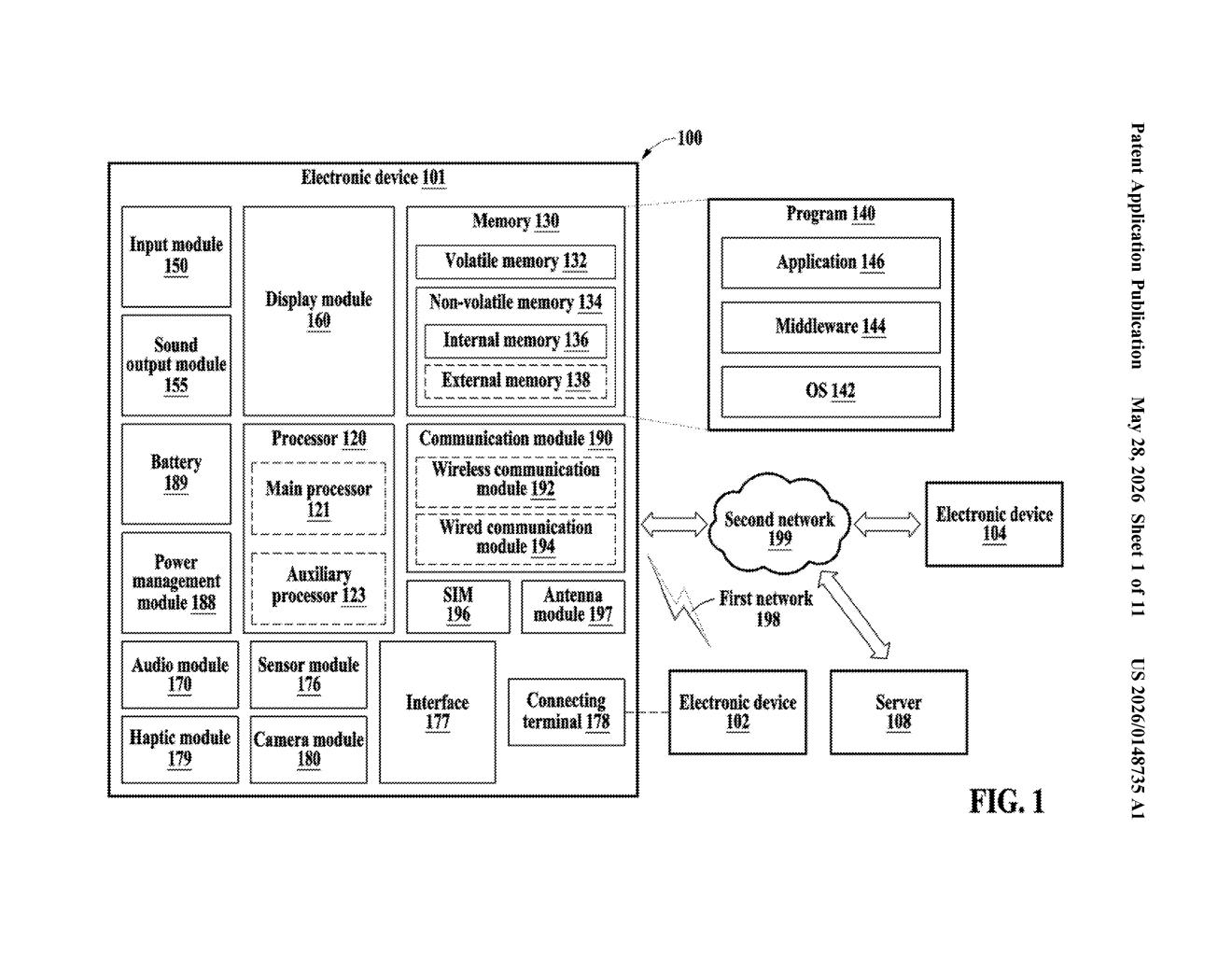
How Samsung's repeat-utterance correction actually works
Imagine you ask your phone's voice assistant to "call Mom" and it mishears you. You say it again a second later. Right now, most assistants treat that second attempt as a completely fresh request — no memory of what you just said.
Samsung's patent describes a system that remembers your first utterance and compares it to your second. If the two are similar enough — meaning you're clearly saying the same thing — the device uses that similarity as a signal to auto-correct the transcription of the second attempt, pulling in context from the first to fill in gaps.
Think of it like autocorrect, but for repeated speech. Instead of guessing from a dictionary, your device is cross-referencing your own voice from moments ago. The goal is fewer misheard commands when you're in a noisy room, have an accent, or just have to repeat yourself.
How similarity scores trigger Samsung's correction parameters
The patent describes a pipeline where an electronic device stores the recognition result (the transcribed text or interpretation) of a user's first utterance. When a second utterance arrives within a defined time window, the system computes a first similarity score between the two recognition results — essentially asking: are these two things the same request?
If that similarity score meets or exceeds a threshold, the system kicks into correction mode. It derives parameters — adjustments or weights — specifically tuned to correct the recognition result of the second utterance. The corrected output is then produced using those parameters.
The key insight here is the use of temporal proximity as a signal. The system only does this cross-referencing if the second utterance arrives within a set period after the first — so it's not retroactively reanalyzing your whole conversation history, just the immediately preceding attempt.
- Store recognition result of utterance 1
- Receive utterance 2 within a time window
- Compute similarity between the two results
- If similarity ≥ threshold, derive correction parameters
- Apply parameters to correct utterance 2's recognition result
What this means for Samsung's voice assistant accuracy
Voice assistants still stumble on accents, background noise, and unusual names — and the current fix is just to repeat yourself and hope for the best. This patent suggests Samsung is working to make that repetition actually useful as a training signal rather than a fresh cold start. If your Galaxy phone or Bixby-enabled device ships this, retrying a misheard command could become meaningfully more reliable.
The approach is also on-device and reactive — it doesn't require sending your voice to a server for reprocessing or building a long-term user profile. That's a practical architecture for privacy-conscious implementations, which fits Samsung's recent push to handle more AI workloads locally on Galaxy hardware.
This is a focused, practical improvement to a genuinely annoying problem — voice assistant repetition failure. It's not a reinvention of speech recognition; it's a smart use of conversational context that existing systems largely ignore. Whether it ships in a Galaxy update or stays on the shelf, the core idea is solid enough to be worth watching.
There are more where this came from
We read every patent application Big Tech publishes and send you the ones worth knowing. Plain English, free, every week.
Want this weekly breakdown for a company we don't cover? Patentlyze Pro →