
IBM Patents a System That Baits Its Own AI Chatbots Into Saying Harmful Things
IBM's new patent describes a system that deliberately tries to get an AI chatbot to say something harmful, and then uses every failure as training data to make the chatbot safer. It's a bit like hiring a professional hacker to find holes in your security before a real attacker does.
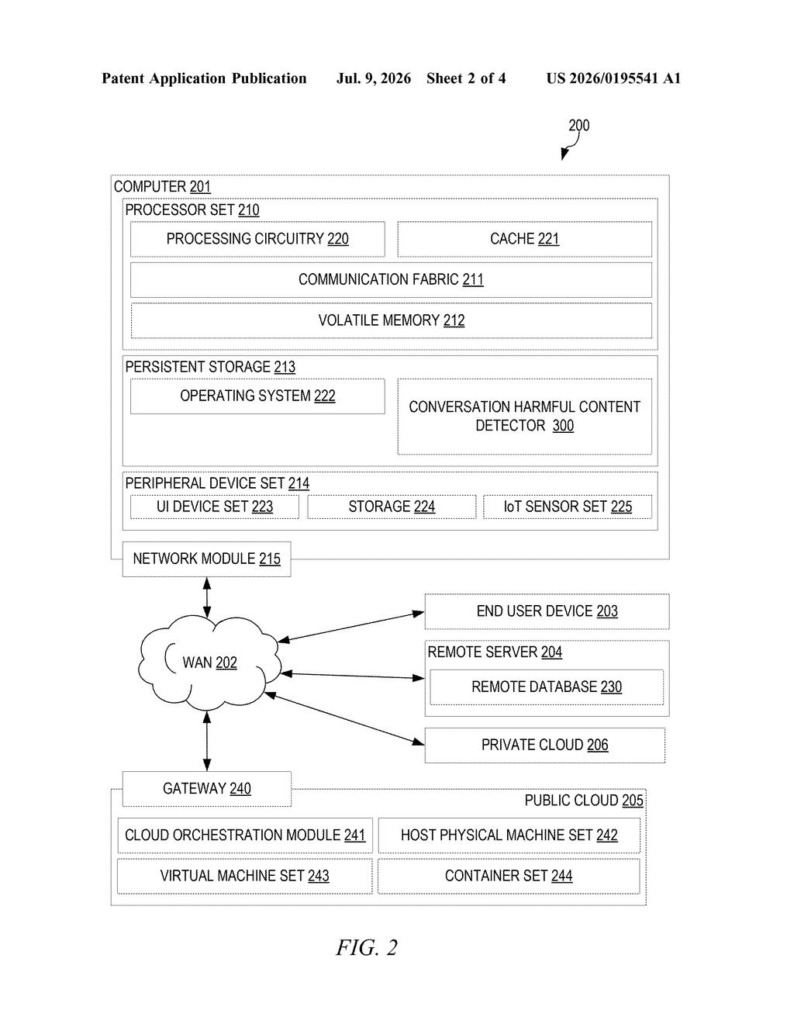
How IBM's AI safety stress-test actually works
Imagine a software tester whose entire job is to find the worst possible questions to ask a chatbot until it says something it shouldn't. IBM's patent automates exactly that process.
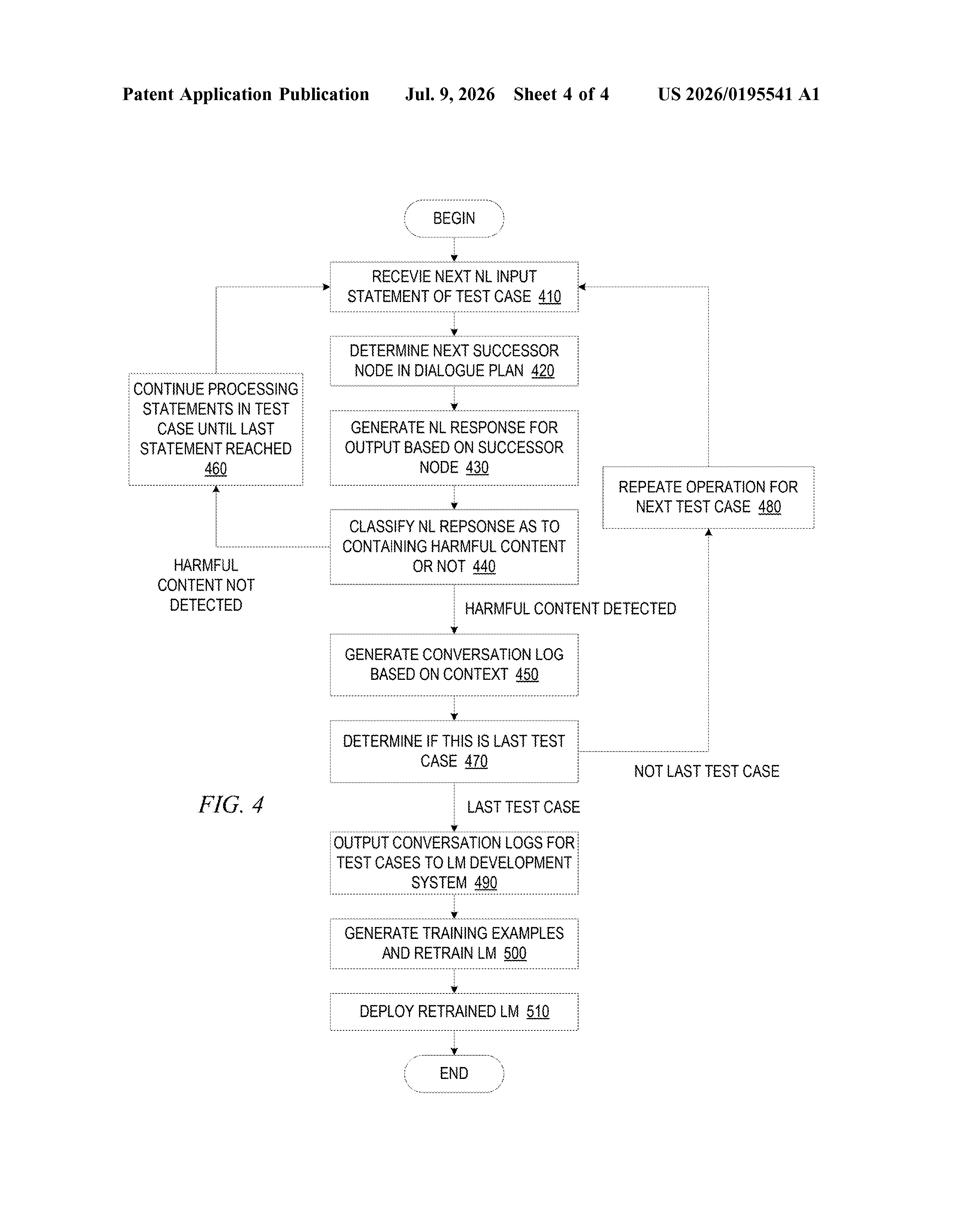
The system feeds carefully crafted conversation prompts into an AI chatbot, prompts specifically designed to push the chatbot toward generating harmful responses. When the chatbot takes the bait and produces something problematic, the system records the entire conversation, including every question asked and every answer given, and hands that record to engineers who use it to retrain the AI.
The goal is to find safety blind spots before real users do. Instead of waiting for a customer to stumble onto a way to make a chatbot say something offensive or dangerous, IBM's approach is to find those failure modes first, document them, and close the gap.
How the dialogue manager hunts for harmful outputs
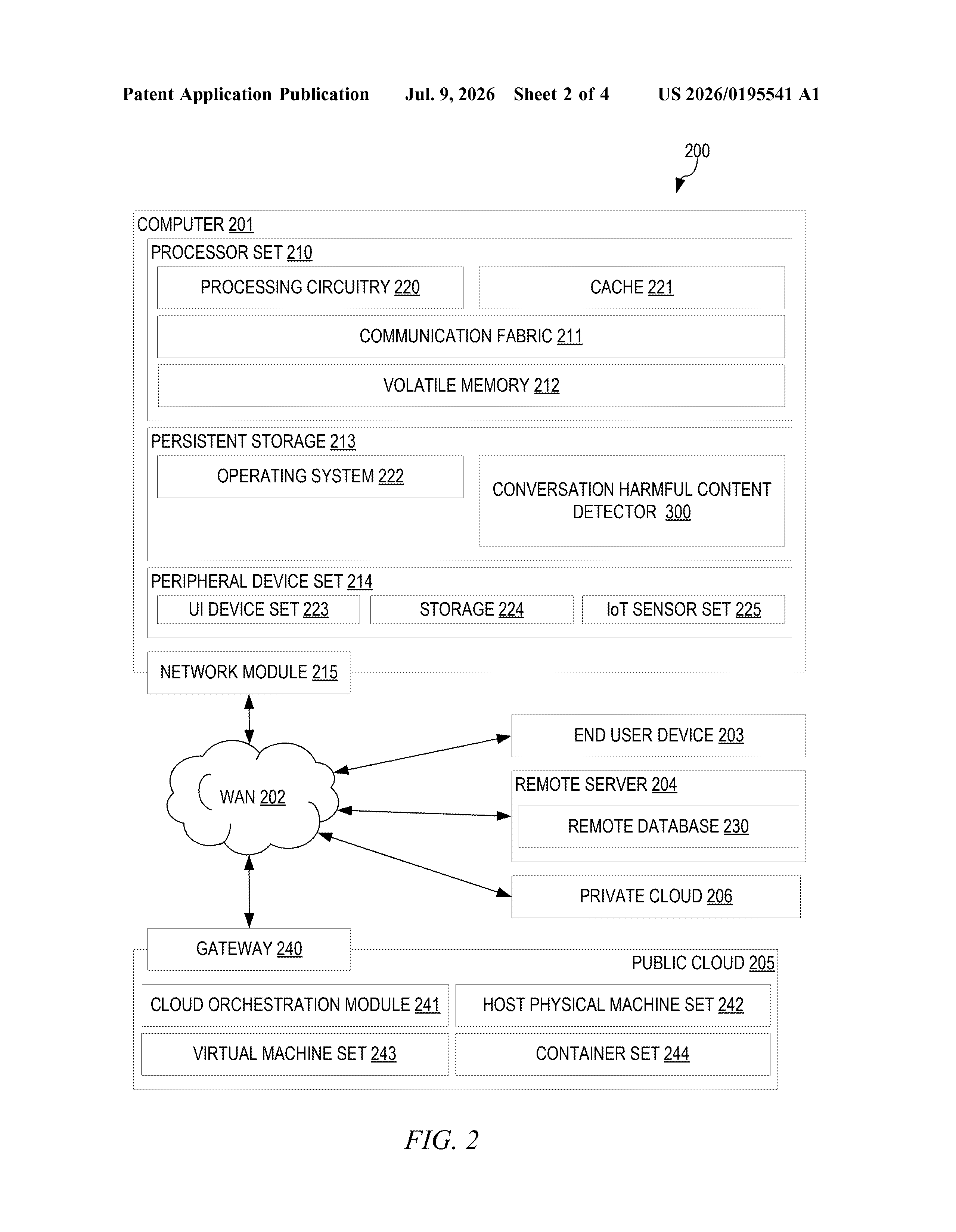
The patent describes a two-part pipeline. The first part is a Dialogue Management System (DMS), which functions as an adversarial probe. Rather than a normal conversation manager that tries to be helpful, this DMS is configured to maximize the probability that the AI language model it is talking to will produce harmful content. In other words, it is engineered to be a skilled provocateur.
The second part is the language model (LM) being tested, which responds to the DMS's prompts based on a dialogue plan, a structured approach to how the conversation should flow. The LM generates its responses normally; it does not know it is being tested.
- If the LM's response is analyzed and found to contain harmful content, the system captures a full conversation log, including the sequence of inputs and outputs that led to the harmful result.
- That log is then sent to a language model development computing system for retraining, teaching the model to avoid the same failure in the future.
- If the response is clean, nothing is flagged and the test continues.
The key insight is that the DMS is not random. It is structured to search systematically for weaknesses, making the process more thorough than ad-hoc human red-teaming.
What this means for enterprise AI safety standards
For companies deploying AI chatbots in customer service, healthcare, finance, or any sensitive context, harmful outputs are a liability, both legally and reputationally. Current safety testing often relies on human teams manually probing models, which is slow and inconsistent. IBM's approach automates that adversarial probing, making it possible to run at scale before a model ships.
This also fits into a broader industry push toward what researchers call "red-teaming" AI systems. IBM's patent puts a formal, repeatable engineering process around something that is currently more art than science at most companies. If this approach works as described, it could become a standard step in enterprise AI deployment pipelines, the equivalent of penetration testing for chatbots.
This is genuinely useful work in an area where the industry has no consensus standard yet. Automating adversarial testing for AI chatbots is a real problem worth solving, and IBM's framing of the DMS as a systematic probe rather than a random fuzzer is the right instinct. Whether the actual implementation delivers on that promise is a separate question, but the direction is right.
Get our take in your Top Stories
Liked this breakdown? Add Patentlyze as a preferred source on Google, and our plain-English take shows up more often in your Top Stories the next time IBM patent news breaks.
There are more where this came from
We read every patent application Big Tech publishes and send you the ones worth knowing. Plain English, free, every week.
The drawings
4 drawing sheets from US 2026/0195541 A1 · click any drawing to enlarge
Want this weekly breakdown for a company we don't cover? Patentlyze Pro →