
Samsung Patents a Stretchable Screen That Can Feel Where You Press It
Samsung is working on a screen that can stretch like fabric and still know exactly where and how hard you're pressing it. That combination is harder than it sounds.
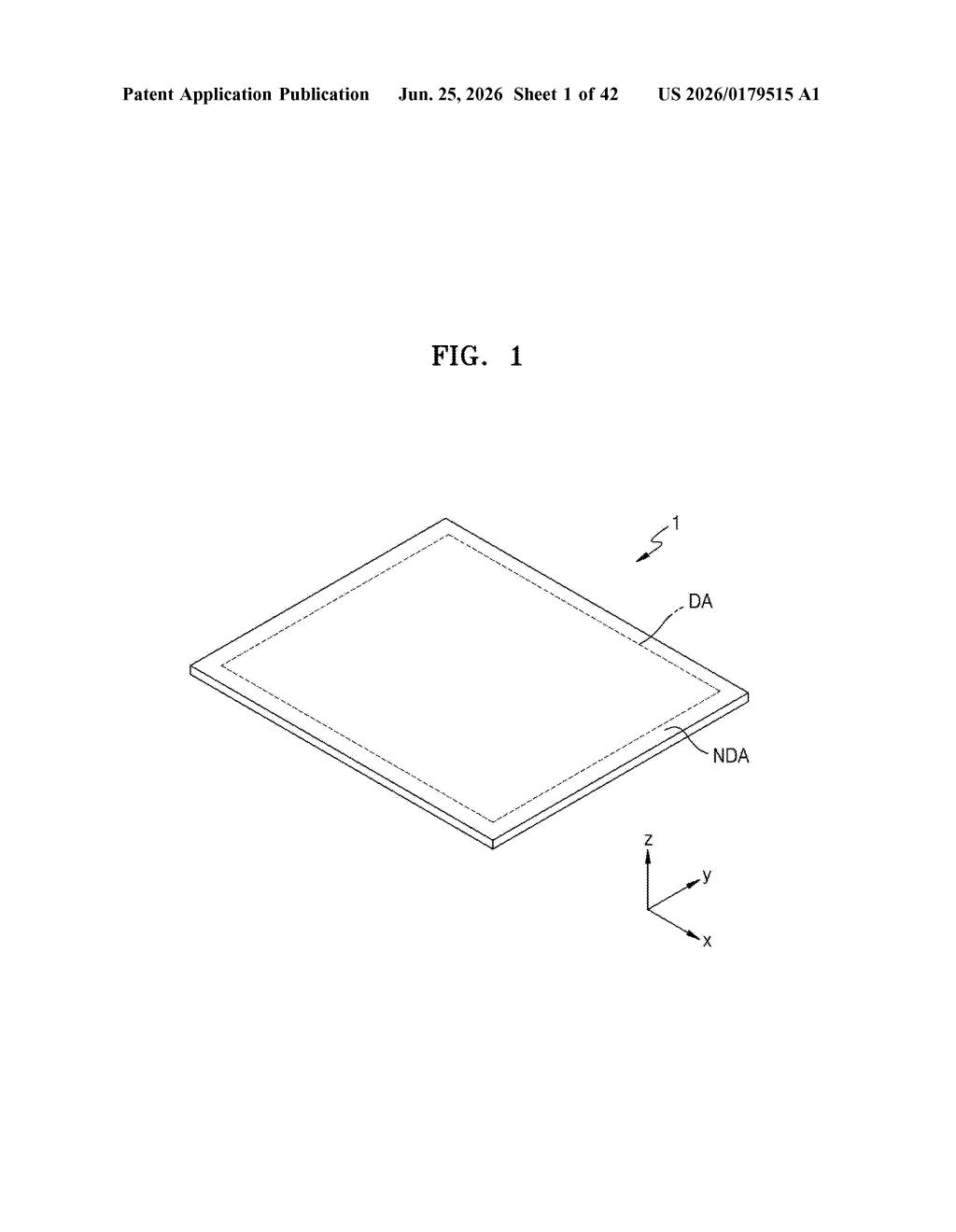
What Samsung's island-and-bridge display actually does
Imagine a display that bends, stretches, and wraps around a curved surface without cracking. Samsung's patent describes a screen built like a net: small pixel clusters (called islands) are connected by thin, flexible bridges, so the whole thing can flex without breaking the electronics.
What makes this filing stand out is that Samsung also wants to embed force-sensing zones into that stretchy structure. These zones are positioned to overlap the bridge sections, meaning the screen can detect not just a tap but how firmly you're pressing, even on a surface that moves and bends under your finger.
In practice, this could let a wearable display or a wraparound screen respond to pressure the way a touchscreen responds to position today. You'd get a display that knows both where you touched and how hard you did it, on a screen that doesn't need to be flat.
How the force portions overlap the flexible bridges
The patent describes a display made of three structural layers working together:
- Island portions: self-contained pixel modules, each with its own light-emitting element and the driving circuit that controls it.
- Bridge portions: thin connectors that link neighboring islands electrically and physically, allowing the display surface to stretch without snapping the connections.
- Force portions: pressure-detecting zones distributed across the display, each one positioned so it overlaps at least two adjacent bridge sections at once.
The key claim is that a single force portion sits across multiple bridges simultaneously. This matters because in a stretchable display, the bridges are the most mechanically active spots, they flex, compress, and twist as the screen moves. Placing force sensors there lets the system read mechanical stress at those junctions.
The plan view geometry (meaning how the layers line up when viewed from above) is central to the design. By overlapping the force portions with two or more adjacent bridges, Samsung ensures the sensing coverage doesn't leave gaps between islands, which is where accidental misreads would otherwise happen on a flexible surface.
What this means for wearables and foldable screens
Stretchable displays have been a research goal for years, but most prototypes sacrifice input precision for flexibility. If your screen bends, traditional flat-panel touch sensors lose accuracy because they assume a rigid, predictable surface. Samsung's approach of anchoring force detection at the bridges, the parts that move most, could help solve that accuracy problem.
For wearables, fitness trackers, and next-generation foldable or rollable devices, this kind of pressure-aware flexible screen would mean richer input without adding hardware buttons. The practical payoff for you as a user: a wraparound smartwatch face or a bendy phone display that can tell the difference between a light tap and a deliberate press, no matter how the device is curved at that moment.
This is a niche but genuinely tricky engineering problem, and Samsung Display filing it suggests real progress toward screens that stretch without dumbing down their input capabilities. It won't ship as a consumer product tomorrow, but it's the kind of foundational patent that shows up later inside a Galaxy Ring or a next-gen foldable watch face.
There are more where this came from
We read every patent application Big Tech publishes and send you the ones worth knowing. Plain English, free, every week.
Want this weekly breakdown for a company we don't cover? Patentlyze Pro →