
Samsung Patents a Template-Matching System for More Efficient Video Decoding
Samsung is patenting a way to make video decoders smarter about how they find matching image blocks — a small but potentially meaningful tweak to the core loop inside every modern video codec.
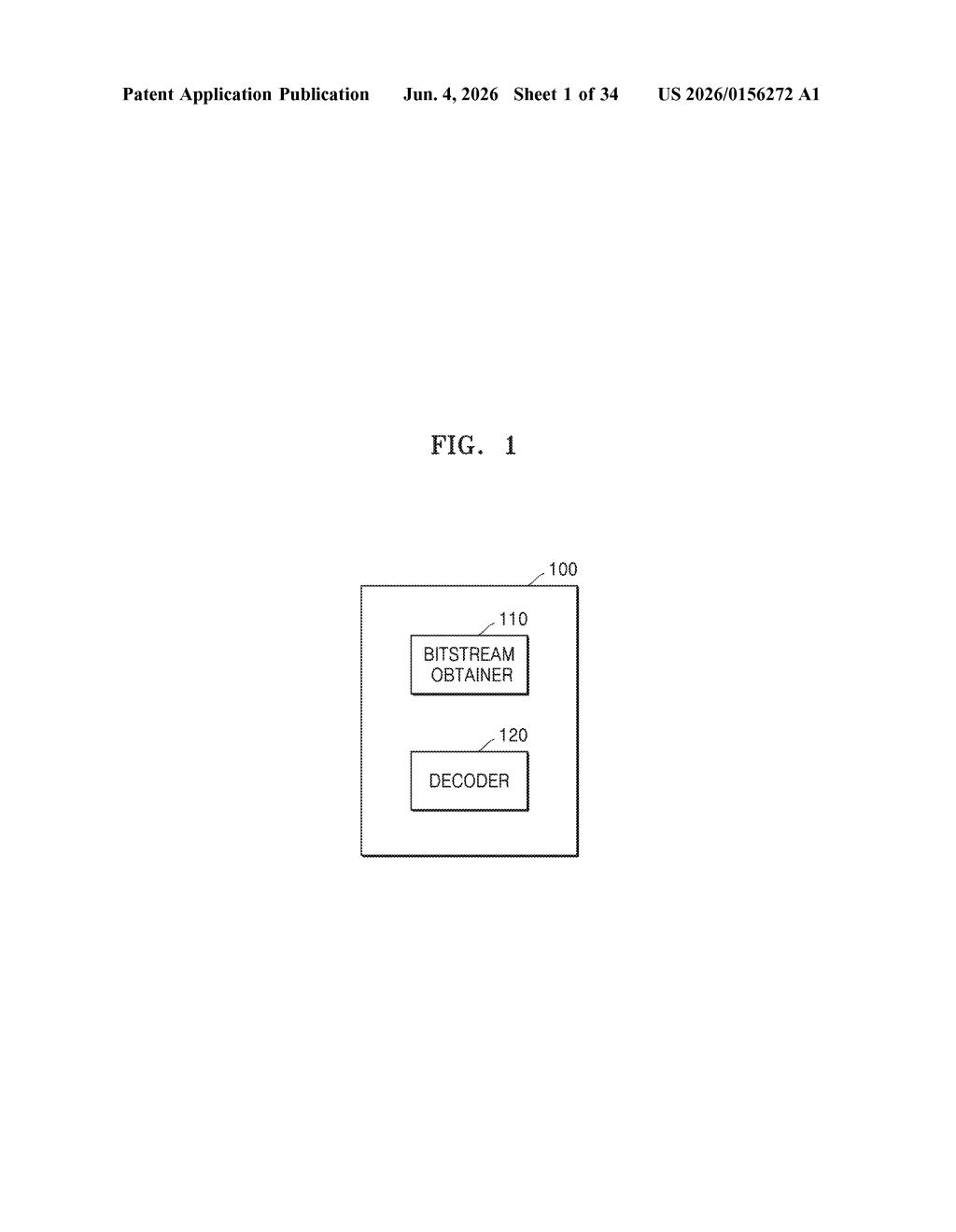
What Samsung's template-matching video codec actually does
When a video is compressed, the encoder breaks each frame into tiny blocks and looks for similar blocks in nearby frames to avoid storing the same image data twice. The decoder then has to reverse that process — figuring out where each block came from and reassembling the picture.
Samsung's patent focuses on a step called template matching: instead of just trusting whatever motion vector the encoder passed along, the decoder builds a short list of candidate reference vectors, then uses a small surrounding region (the "template") to score which one actually fits best. The winning vector is then used to reconstruct the block.
This matters because it gives the decoder more flexibility to self-correct — if the original motion data is imprecise or the bitstream is optimized to be lean, the decoder can fill in the gaps on its own rather than relying on perfect encoder instructions.
How the decoder picks reference vectors for each block
The patent describes a three-step decoding loop applied to each current block in a video frame:
- Candidate vector generation: The decoder produces one or more candidate motion vectors — essentially a shortlist of "where this block might have come from" in a reference frame.
- Template-based selection: Using template matching (comparing a small border region around the current block against regions in the reference frame), the decoder evaluates each candidate and picks at least one as the reference vector.
- Block reconstruction: The chosen reference vector is then used to copy the best-matching reference pixels into the current block, completing the decode.
The key insight is moving some of the matching intelligence to the decoder side. Traditional codecs assume the encoder did all the hard work encoding precise motion vectors; this approach lets the decoder cross-check and refine, which can reduce bitrate on the encoder side without sacrificing quality on playback.
The patent covers both the encoding and decoding sides, suggesting Samsung is thinking about this as a symmetric codec feature — a matched pair of encoder decisions and decoder heuristics that work together.
What this means for next-gen video compression
Template matching on the decoder side is a technique that video compression researchers have been exploring in the context of next-generation codecs like VVC (Versatile Video Coding) and beyond. If Samsung can refine this into a codec feature that meaningfully cuts bitrate without adding too much decoder complexity, it's relevant to everything from streaming services to on-device video — think Samsung TVs, Galaxy phones, and cloud video infrastructure.
For you as a viewer, the promise is simple: the same video quality at a smaller file size, or better quality at the same bandwidth. Whether this specific patent advances that goal enough to ship in a real product is a different question.
This is deep, unglamorous codec research — the kind of patent that matters inside a video standards committee meeting, not on a product stage. Samsung files a lot of video compression patents, and this one reads like incremental refinement of template matching rather than a fundamentally new approach. Worth tracking if you follow codec standardization, but don't expect a press release about it.
There are more where this came from
We read every patent application Big Tech publishes and send you the ones worth knowing. Plain English, free, every week.
Want this weekly breakdown for a company we don't cover? Patentlyze Pro →