
IBM Patents a System That Turns Quantum Hardware Noise Into a Feature
Every quantum computer is noisy — qubits misfire, decohere, and produce errors constantly. IBM's new patent flips that problem on its head by treating the noise itself as useful data for machine learning.
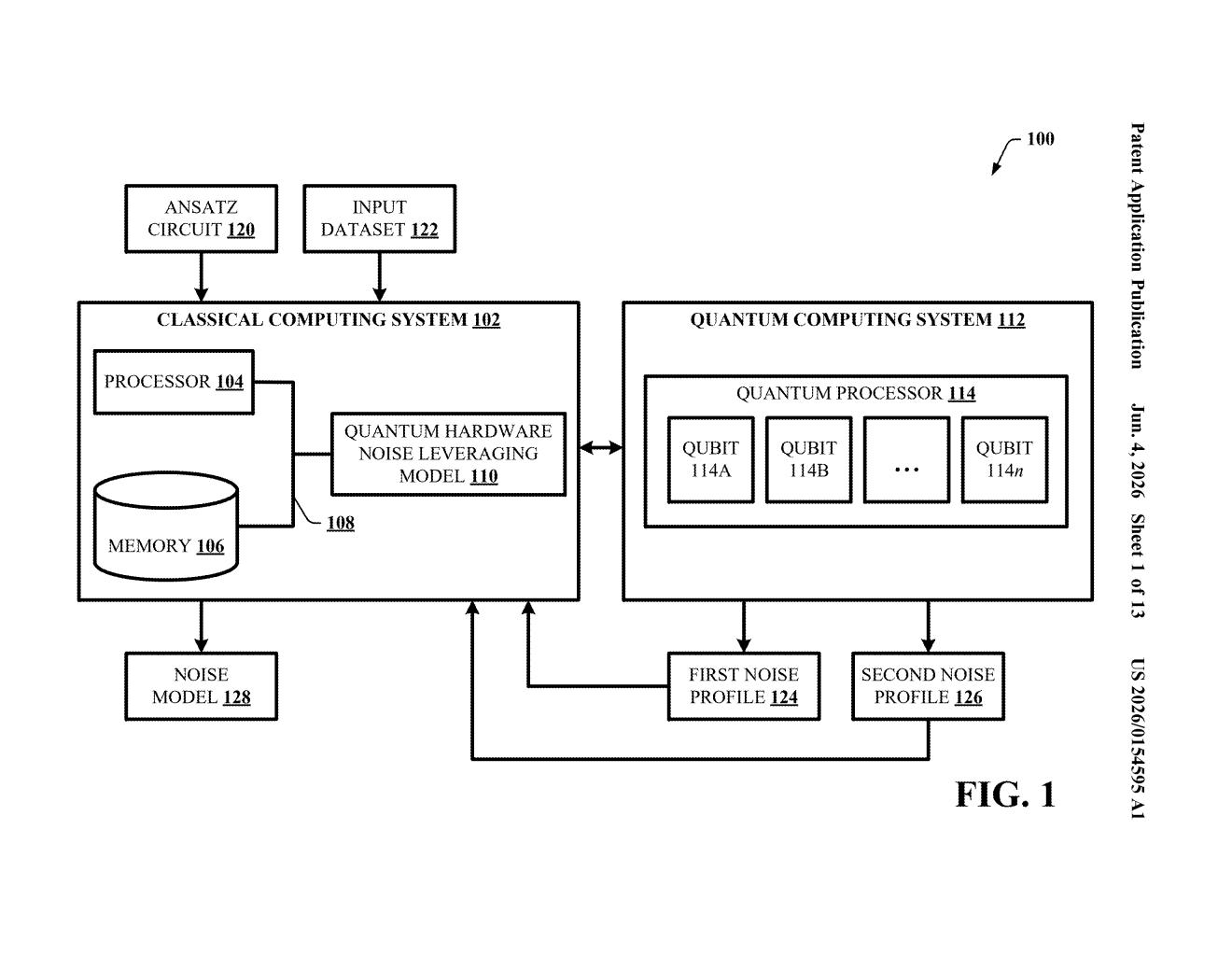
How IBM makes quantum errors work for ML, not against it
Imagine trying to have a phone call in a loud café. Most engineers would try to cancel the background noise so you can hear clearly. IBM's approach is more like learning to read lips and listen at the same time — using the noise as extra information rather than just something to filter out.
Quantum computers are famously error-prone. The hardware produces unpredictable interference called quantum noise that typically corrupts calculations. IBM's patent describes a system that first studies the specific noise fingerprint of a given quantum processor, then deliberately folds that noise profile into the training process of a quantum machine learning model.
The result is a model that's built around the imperfections of the hardware it runs on, rather than one that pretends the hardware is perfect. In theory, this could make quantum ML models more accurate and resilient on today's noisy, pre-fault-tolerant quantum machines — which is exactly the hardware IBM and everyone else is actually shipping right now.
How the noise-learning component feeds the QML process
The patent describes two cooperating software components running alongside a quantum processor.
The first is a noise learning component. It takes an ansatz circuit (a parameterized template circuit — think of it as a configurable quantum program skeleton) and runs it against an input dataset on real quantum hardware. By observing how the outputs deviate from what a perfect, noiseless circuit would produce, it builds a model of the hardware's specific noise characteristics. Every quantum chip has a unique noise profile — this component maps it.
The second is the QML component, which runs an adaptive quantum machine learning process (a training loop that adjusts its parameters based on feedback). Instead of ignoring or correcting for the noise learned in step one, it actively incorporates that noise model into how the ML algorithm updates itself. The training process becomes aware of — and tuned to — the actual physical behavior of the chip it's running on.
- Learn the quantum hardware's noise fingerprint from real circuit runs
- Feed that noise profile into the QML training loop as a first-class input
- Adapt the model parameters in ways that account for (rather than fight) hardware imperfections
The claim is deliberately broad — it covers the system architecture rather than a specific algorithm, which means IBM is staking out the general approach of noise-aware adaptive QML.
What this means for practical quantum machine learning
The current era of quantum computing is called the NISQ era (Noisy Intermediate-Scale Quantum) — meaning every quantum computer available today, including IBM's own fleet, produces significant errors. Most QML research either assumes future fault-tolerant hardware or burns resources on error mitigation that partially cleans up results. IBM's approach is different: it says work with the hardware you have, noise included.
If this approach holds up in practice, it could give IBM's quantum cloud customers meaningfully better ML results on today's real hardware without waiting for fault-tolerant machines that are still years away. It also positions IBM as a leader in the practical, hardware-aware side of quantum ML — a less glamorous but arguably more immediately useful angle than pure quantum-advantage research.
This is a genuinely interesting systems-level idea — noise-as-signal is a real research thread in the quantum computing community, and IBM filing a broad patent on the adaptive QML architecture suggests they want to own the approach commercially. The claim is wide enough to cover a lot of ground, but wide claims also tend to face more prior-art scrutiny. Worth tracking as IBM's quantum software stack matures.
There are more where this came from
We read every patent application Big Tech publishes and send you the ones worth knowing. Plain English, free, every week.
Want this weekly breakdown for a company we don't cover? Patentlyze Pro →