
X Development Files Patent for Vision-Based Blast Furnace Pellet Optimization
Google's moonshot lab X Development is filing patents in… blast furnace steelmaking? Yes, and the core idea — using computer vision to score the roundness of iron ore pellets in real time — is actually a clever approach to a very old energy problem.
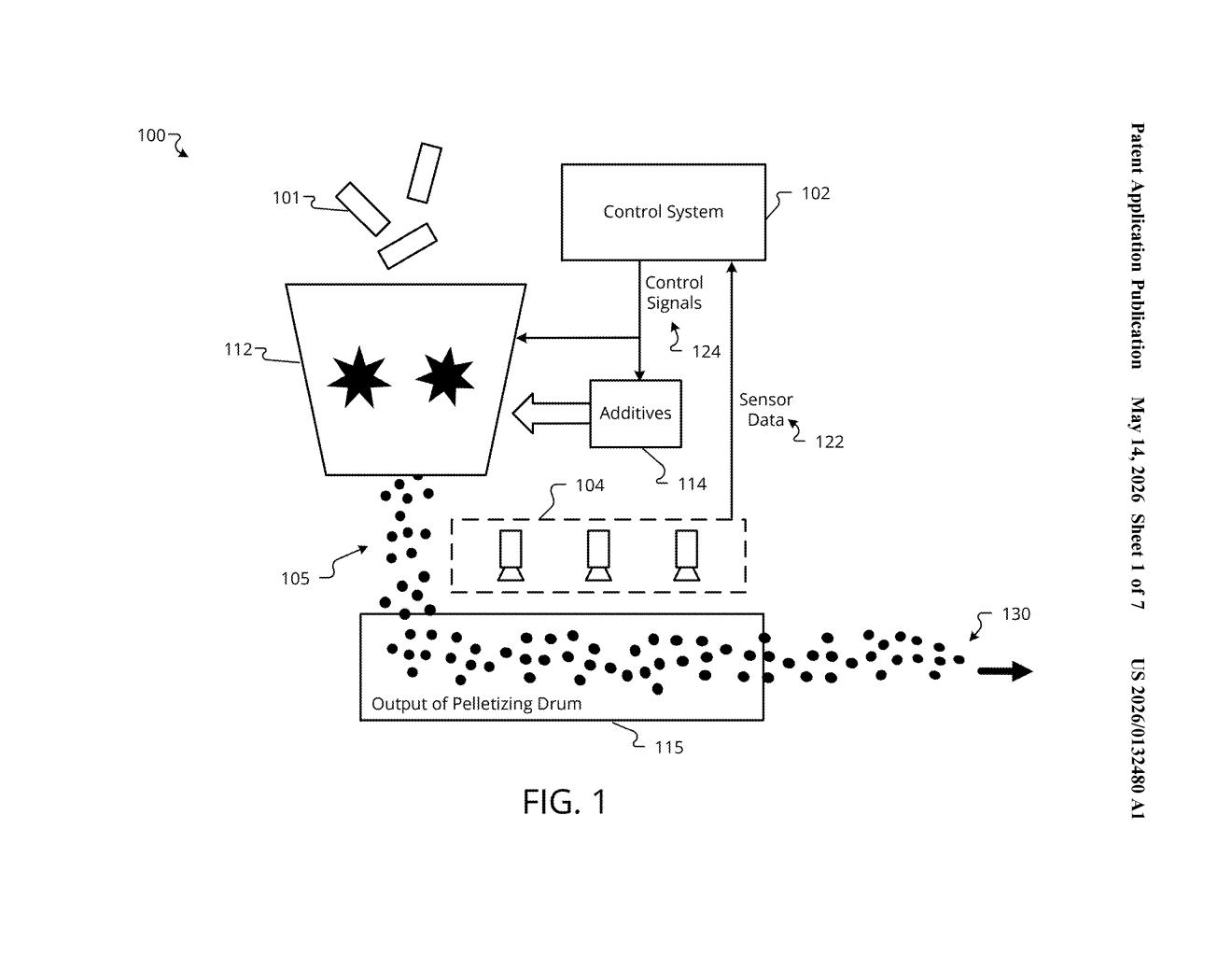
What X Development's pellet-scanning system actually does
Imagine a factory that makes iron by heating ore in a giant furnace. Before the ore goes in, it gets rolled into small balls called pellets. The rounder and more uniform those pellets are, the better air flows through the furnace, and the less energy gets wasted. The problem? Pellet quality can drift over time, and by the time a human notices, you've already burned a lot of extra fuel.
X Development's patent describes a system that fixes this with cameras. Sensors positioned along the conveyor belt capture images of pellets as they move, and software measures how close each pellet is to a perfect sphere. If too many are lumpy or misshapen, the system automatically sends a signal back to the pelletizer machine to correct the process — no human needed.
A second part of the patent extends this to the furnace itself, using pellet data to decide exactly how much coke, limestone, or other reactants to add. The idea is to tune the whole smelting process in real time, not just at the start of a shift.
How the shape-irregularities factor drives furnace control
The core of the patent is a shape-irregularities factor — a computed score that measures how far a real pellet's surface area deviates from a perfect sphere of the same volume. A perfect sphere scores zero; a lumpy, potato-shaped pellet scores higher. Cameras upstream from the blast furnace capture this data continuously.
When the irregularity score drifts outside a defined pelletization parameter (essentially a quality threshold), the system computes a corrective adjustment and sends a control signal back to the pelletizer. The pelletizer — a large rotating drum or disc that forms the ore into balls — can then change variables like rotation speed, moisture content, or binder dosage to bring pellet shape back into spec.
The second method in the patent takes the pellet measurements further:
- It uses the real-time pellet quality data to calculate how much of each reactant (coke for carbon, limestone for slag chemistry) to add to the furnace.
- It sends those quantities to a downstream furnace controller automatically.
- The goal is continuous closed-loop optimization, not batch-by-batch manual adjustment.
The patent covers both the vision-sensing pipeline and the downstream control logic, meaning X Development is staking a claim on the full feedback loop from pellet imaging to furnace chemistry.
What this means for industrial AI and steelmaking efficiency
Steel and iron production accounts for roughly 7-9% of global CO₂ emissions, and a big chunk of that comes from inefficient furnace operation. Small improvements in pellet uniformity and reactant dosing can translate to meaningful reductions in coke consumption — which is both expensive and carbon-intensive. A closed-loop vision system that catches quality drift in seconds rather than hours is genuinely useful here.
For X Development specifically, this patent signals an expansion into heavy industrial processes — territory more associated with startups like Sight Machine or established automation players like ABB than a Google-adjacent moonshot lab. Whether this represents a serious product push or an exploratory bet is hard to say, but the technical specificity of the claim (down to the exact geometric formula for sphericity) suggests real engineering work, not a paper filing.
This is a legitimately interesting industrial AI patent, not a flashy consumer play. The sphericity metric is elegant — it's a single, computable number that captures a complex quality problem and feeds directly into a control loop. If X Development is serious about this space, it's entering a market where even a 2-3% energy efficiency gain at scale is worth hundreds of millions of dollars annually.
Get our take in your Top Stories
Liked this breakdown? Add Patentlyze as a preferred source on Google, and our plain-English take shows up more often in your Top Stories the next time Google patent news breaks.
There are more where this came from
We read every patent application Big Tech publishes and send you the ones worth knowing. Plain English, free, every week.
Want this weekly breakdown for a company we don't cover? Patentlyze Pro →