
Google Files Patent for Disaster Forecasting Models That Know When to Update Themselves
Wildfire forecasts go stale as seasons and weather patterns shift, and refreshing them on a fixed calendar wastes effort. This X Development filing has the system decide for itself when a refresh is actually worth it.
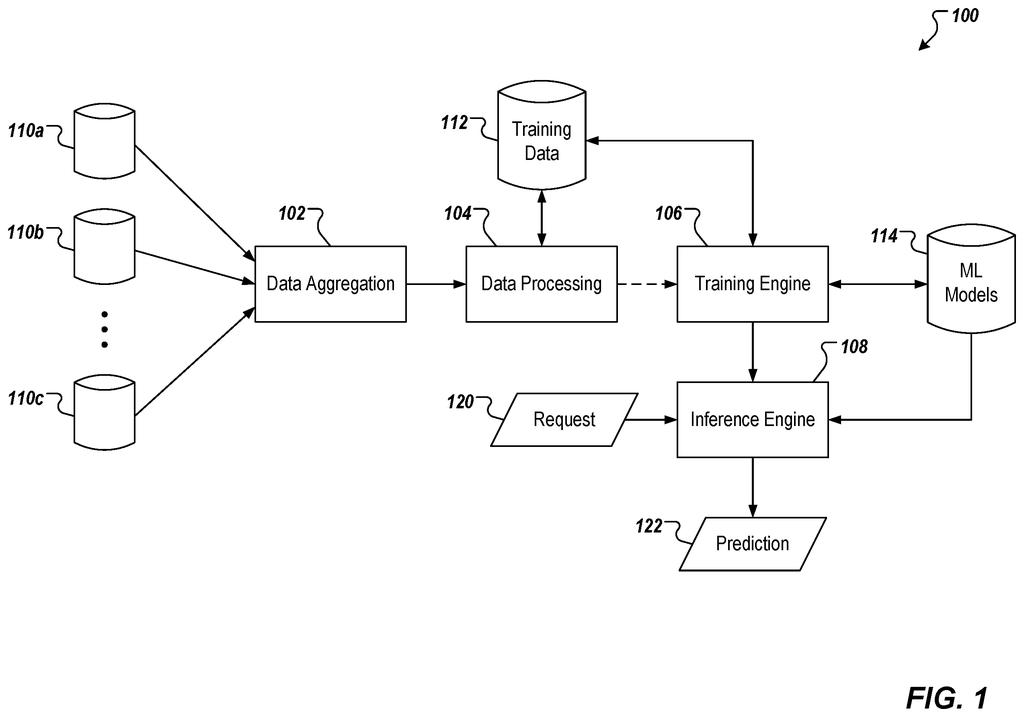
What X Development's self-refreshing forecast does
A computer program that predicts wildfires gets built from years of past fire records. Then the seasons change, a drought drags on, and the program slowly stops matching reality.
The usual fix is to retrain it on a schedule, say every week, whether or not it needs it. That burns a lot of computing time, and sometimes the program barely improves. This X Development filing proposes a checkpoint that asks first: is retraining worth it right now?
The checkpoint looks at how different the new data is from the old data and how much new data has piled up. Only if those signals say yes does the forecast model get refreshed. For you, that could mean fire-risk maps that stay current without waiting for a calendar reminder.
… determining, by a trigger module, a trigger decision based on a set of signals at least partially determined from the second set of training data, the trigger decision indicating whether the ML model is to be one of updated or retrained based on the second set of training data …
Translation: A special module decides whether the AI model needs an update or retraining based on incoming new data signals.
How the trigger weighs new data and timing
The patent covers a trigger module, a piece of software that sits next to a trained prediction model and decides when that model should be refreshed. The model in the claims forecasts adverse climate events in a geographic region, and the filing's main example is wildfire.
New data keeps arriving from sources like weather agencies and fire departments, each updating on its own schedule. That data becomes a second set of training data. The trigger module then checks two signals the claims require:
- Data statistics signal: how far the new data's statistics drift from the old data's. The filing gives a z-score (a measure of how unusual a value is compared with the average) as one example.
- Data ratio signal: how much new data has built up compared with the amount the model was first trained on.
The claims also say the statistics signal can count for more than the ratio signal. The filing describes optional extras: a calendar signal tied to dates like the start of fire season or an insurer's planning cycle, and a weather signal for when a season actually begins. Signals can be blended into one score and compared with a threshold, or handed to a small second model that picks the moment.
If the answer is yes, the system either updates the model (for example, adding more decision trees to a group of them) or retrains it. If the answer is no, it waits.
Why fresher fire forecasts matter to you
If you live where wildfire risk shapes your life, through insurance prices or evacuation planning, you want forecasts that reflect this year's drought and not last year's. A model that refreshes at the right moment, ahead of fire season or when an odd season starts early, could keep those predictions current. The filing names insurance actuary schedules as one timing cue.
There is also a cost angle. Training a large model takes serious computing power, and the filing says refreshing on a fixed schedule can burn that power for tiny gains. Skipping low-value refreshes saves money, and the filing says it can help accuracy too, because the model can be trained on only the most similar past years. The filing adds that the same approach could apply to floods, hurricanes and tornadoes.
This is the 52nd Google patent we've tracked in Enterprise AI coverage since May, a group that includes one on sorting plastic by chemistry and one on preserving early AI output.
You would never see this feature. You would see its result: a fire-risk map or insurance estimate that still makes sense in a strange year, such as a drought that starts early or a wet spring that changes how fuel dries out.
The failure it guards against is a forecast that sits on last season's patterns just when the new season arrives. A fixed schedule can miss that moment by days or weeks, and this filing replaces the schedule with a check on how different the new data actually is.
The claims are narrow: a checkpoint that decides when to refresh, not a better fire predictor. That makes it useful plumbing, and it only helps you if whoever runs the forecast uses it well. For people who depend on those forecasts, though, a model that notices when its own picture of the world has gone out of date is a sensible thing to build.
Get our take in your Top Stories
Liked this breakdown? Add Patentlyze as a preferred source on Google, and our plain-English take shows up more often in your Top Stories the next time Google patent news breaks.
There are more where this came from
We read every patent application Big Tech publishes and send you the ones worth knowing. Plain English, free, every week.
The drawings
3 drawing sheets from US 2026/0340517 A1 · click any drawing to enlarge


Want this weekly breakdown for a company we don't cover? Patentlyze Pro →
Be the first to weigh in