What the filings show
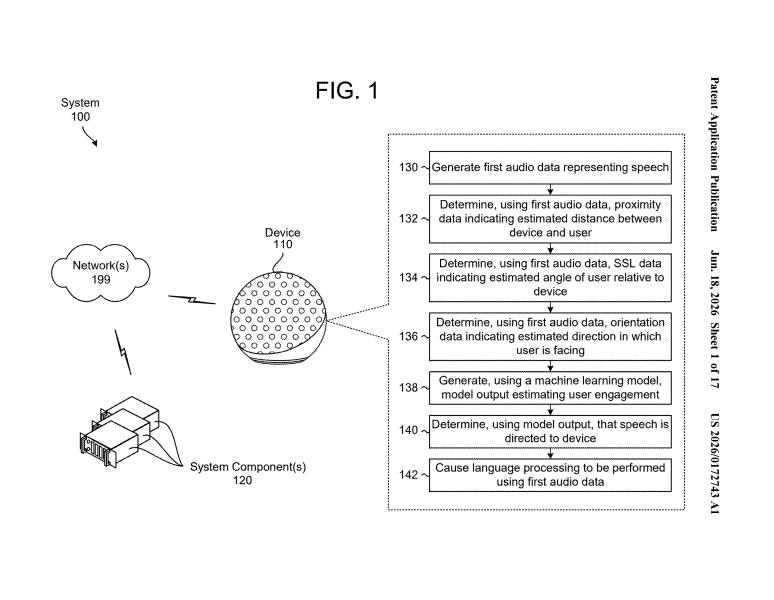
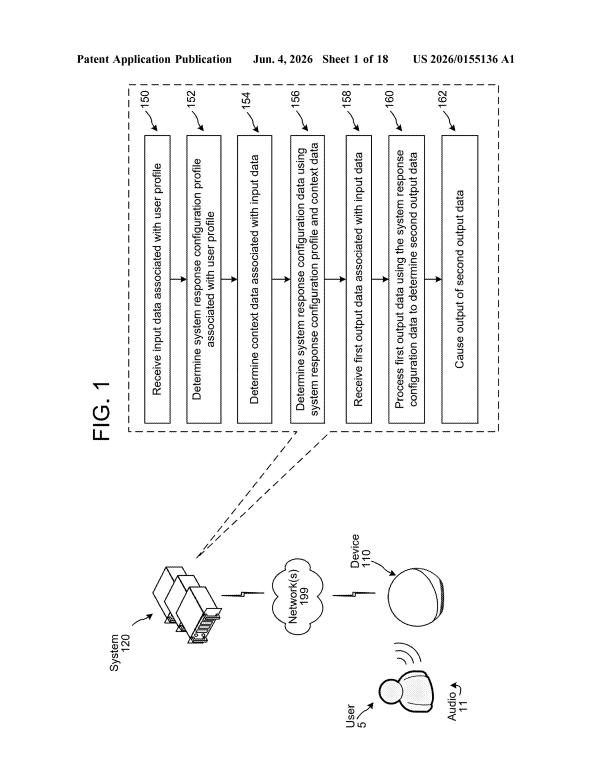
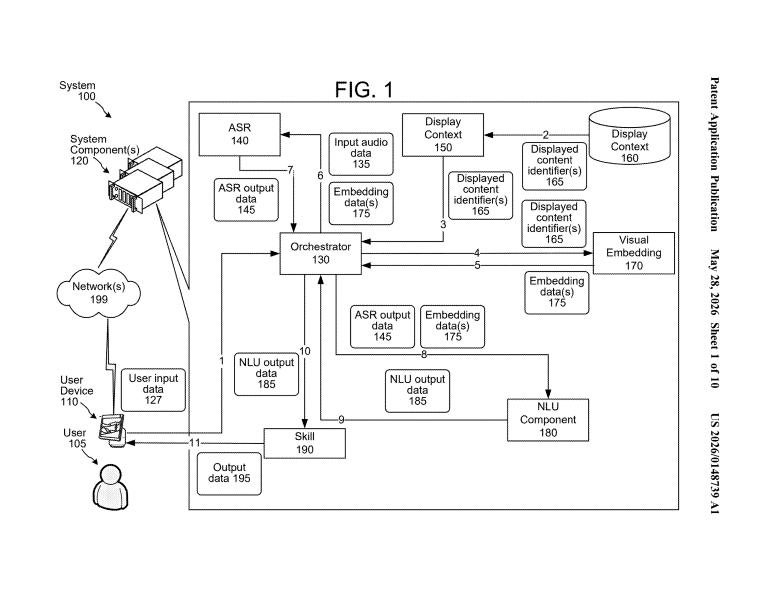
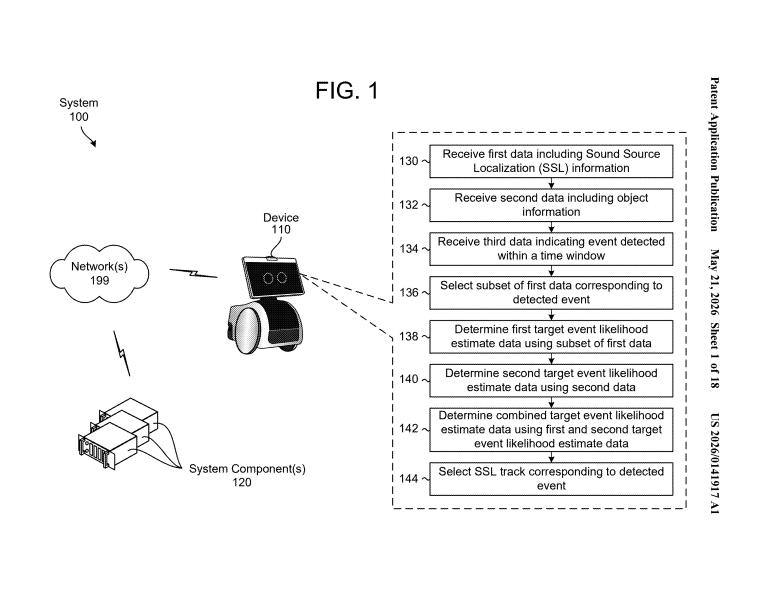
Most of these filings put Alexa's attention outside the microphone. One patent ties voice commands to whatever is on screen, so 'add that to my cart' resolves against pixels, not guesswork. Another fuses object maps with audio to find the real source of a sound instead of a reflection. A third teaches Echo speakers to notice the physical cues that precede speech, before the wake word arrives. The pattern is Alexa gathering more context before it answers, using cameras, screens, and timing signals instead of relying on audio alone.
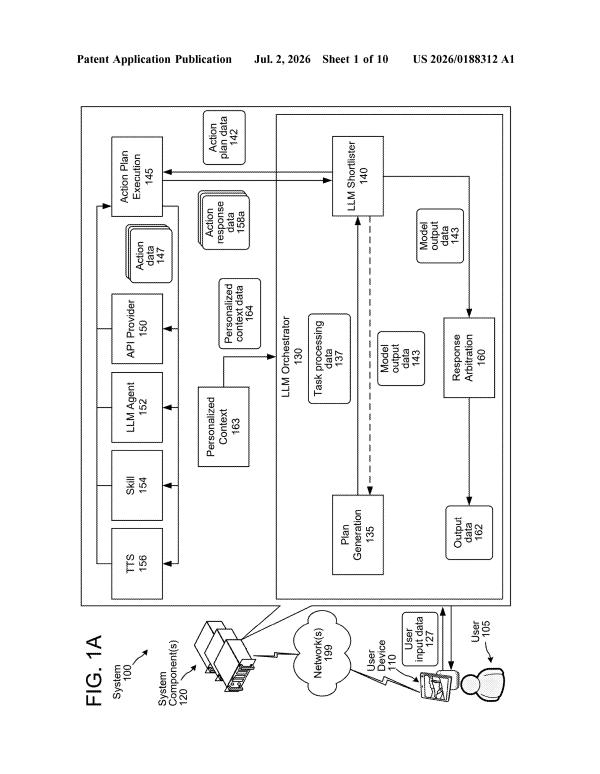
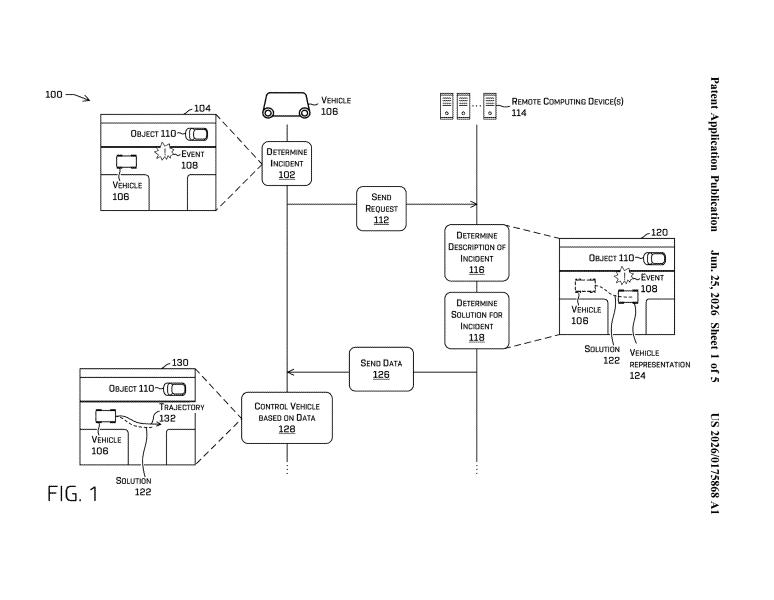
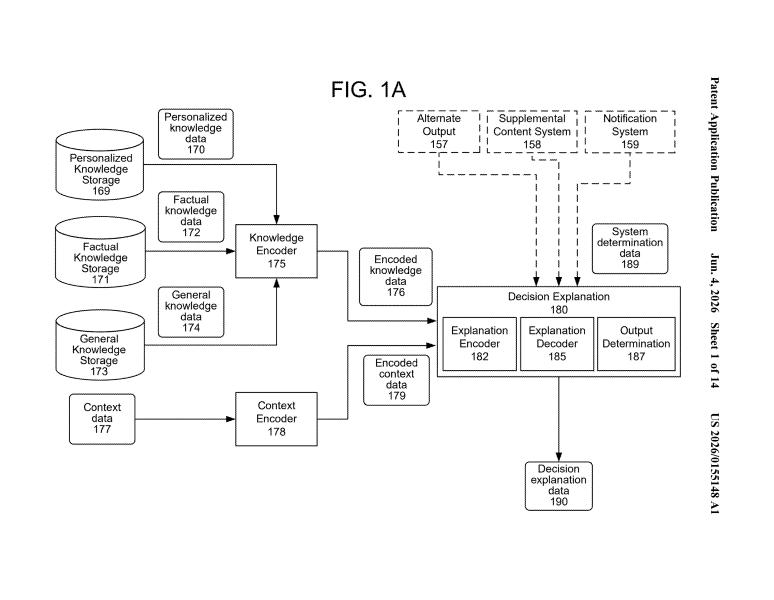
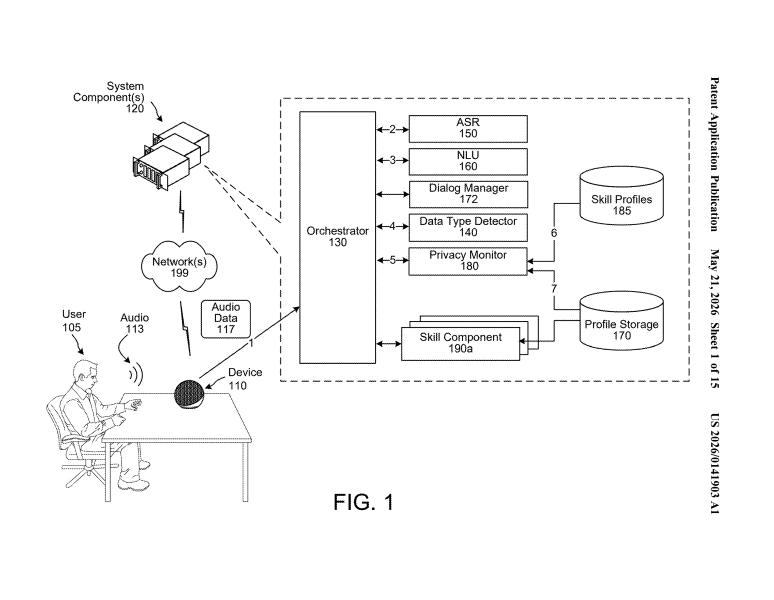
A second cluster deals with trust and follow-through. One filing catches Alexa skills collecting sensitive data they shouldn't. Another makes the assistant explain why it gave a specific answer or recommendation. A third adjusts Alexa's tone mid-conversation based on how the user seems to feel. Further out, Amazon describes a robot that swaps skill modules depending on the task, a chatbot that guides confused autonomous vehicles through complex roads, and a system that turns a spoken request into an actual software command the assistant can execute.
Read together, the filings suggest Amazon wants Alexa to act on what it perceives rather than just respond to what it hears. Watch for how these pieces might connect: screen awareness plus speech-timing detection could let Alexa jump in before a command finishes, and the privacy monitor plus the explainability patent together hint at an assistant that has to justify both what it did and what it collected. None of this confirms a shipped feature. These are patent filings, which show direction, not a product roadmap.
Questions readers ask
What problem does Amazon's Alexa patent tracker cover?
This tracker follows Amazon patents that push Alexa past simple Q&A: tying commands to what's on your screen, finding the true source of a sound, sensing when you're about to speak, auditing skills for privacy leaks, and explaining its own decisions. It's a research signal, not a list of confirmed products.
Does this mean Alexa will read my screen automatically?
One filing describes tying voice commands to on-screen content, but it is a patent application, not a shipped feature. It shows Amazon exploring how phrases like 'add that' could resolve against what's displayed, not a confirmed product timeline.
Why does Amazon care about Alexa's privacy habits?
One patent in this batch is built to catch Alexa skills that collect sensitive data like phone numbers without clear need. It suggests Amazon is building internal auditing tools alongside new sensing features, likely because more cameras and context awareness raise more privacy questions.
What's next for this Alexa storyline?
Expect more filings on context awareness, like combining screen data with audio and speech timing, plus continued work on explainability and robot skill switching. The tracker updates as new Amazon filings publish, so check back rather than expecting a fixed list.