
Amazon Patents a System That Turns AI Assistant Requests Into Working Software Commands
When you ask an AI assistant to do something, it often understands what you want but can't actually do it. Amazon is patenting a layer that bridges that gap, turning the AI's understanding into a real software command the right service can actually execute.
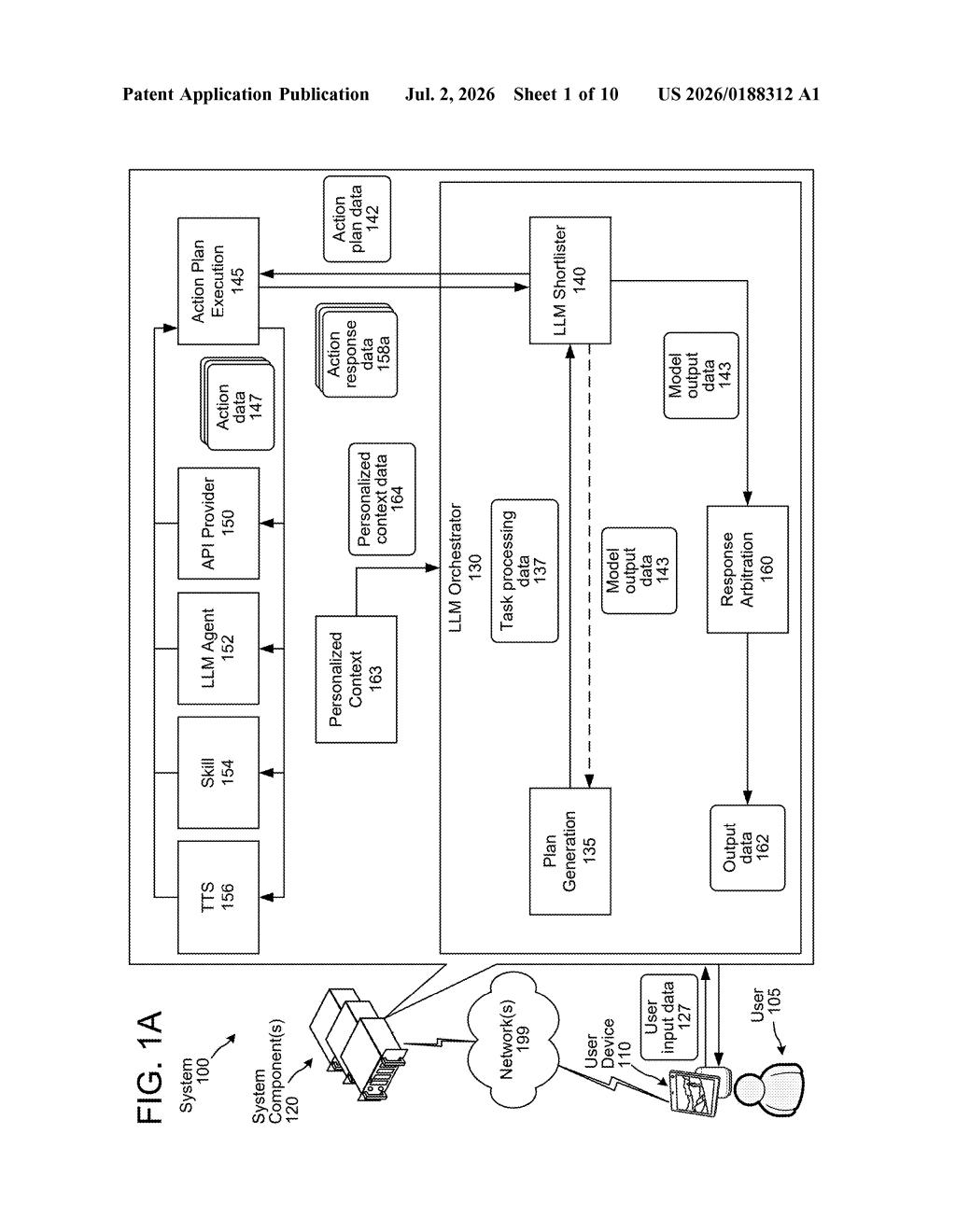
How Amazon's AI bridges the gap between asking and doing
Imagine asking your voice assistant to check your flight status. The AI understands your question perfectly, but knowing what you want and actually contacting the airline's system to get an answer are two very different things. Today's AI assistants frequently stumble at that second step.
What Amazon describes here is a middleman layer. When an AI figures out what you're asking for, this system takes that intent and combines it with technical details the AI doesn't have, like the exact format a specific service expects, or account-specific information, to build a proper command that can actually run against that service.
The system can also fire off multiple commands at once or in a smart order, so if your question requires answers from several different services, you don't have to wait for each one before the next starts. The result is a final, readable answer delivered back to you.
How the system builds executable API calls from LLM output
The patent describes a multi-step pipeline sitting between a large language model (LLM), the AI doing the understanding, and the back-end services that actually hold or process data.
- Step 1, Understand the request: The LLM reads your input and generates a structured request describing what information or action is needed from a specific component (a service, database, or tool).
- Step 2, Build the command: The system takes that request and combines it with an API description (a technical spec sheet for the target service) plus context data not available to the LLM, such as session tokens, user account IDs, or real-time parameters. From those ingredients it constructs an executable API call, a properly formatted software command the target service can actually run.
- Step 3, Execute and respond: The system runs the API call (or multiple calls concurrently), collects the results, and passes them back to the LLM to generate the final user-facing answer.
The key insight is the separation of concerns: the LLM handles language and intent, while a separate layer handles the messy, credential-laden, format-specific work of talking to real services.
What this means for Alexa and enterprise AI assistants
For anyone using an AI assistant, whether that's Alexa, an enterprise chatbot, or a customer-service tool, this kind of architecture is what separates an assistant that sounds helpful from one that actually does things. Right now, most LLMs are good at describing what should happen but poor at executing it reliably against live systems with strict input requirements.
Amazon building this into a patent signals a structural approach to agentic AI, systems that take actions on your behalf. The concurrency feature (running multiple service calls at the same time) is also worth noting: it directly addresses one of the biggest frustrations with AI agents today, the slow, one-step-at-a-time pace when a task touches several services.
This is infrastructure work, not a flashy consumer feature, but it's exactly the kind of patent that shows up before a major capability upgrade. If Amazon ships this in Alexa or its AWS AI services, it would meaningfully close the gap between what AI assistants promise and what they can reliably deliver. Worth watching.
Get our take in your Top Stories
Liked this breakdown? Add Patentlyze as a preferred source on Google, and our plain-English take shows up more often in your Top Stories the next time Amazon patent news breaks.
There are more where this came from
We read every patent application Big Tech publishes and send you the ones worth knowing. Plain English, free, every week.
Want this weekly breakdown for a company we don't cover? Patentlyze Pro →