What the filings show
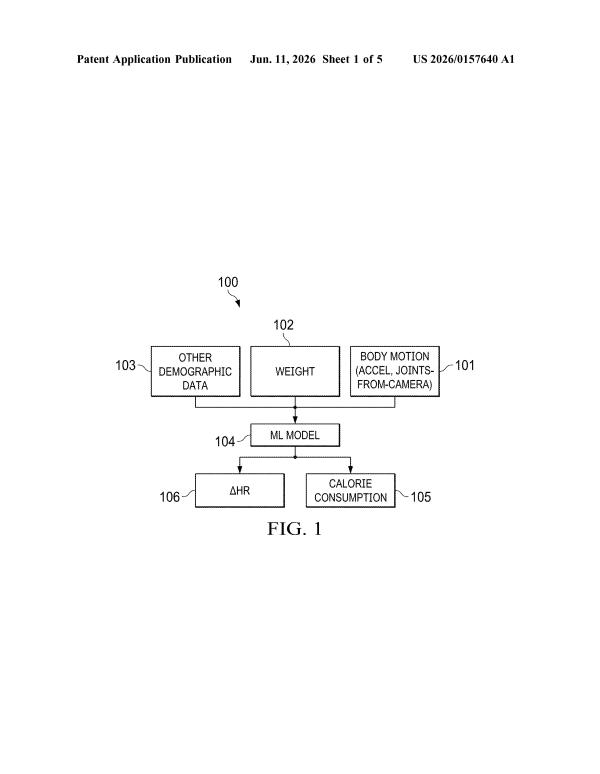
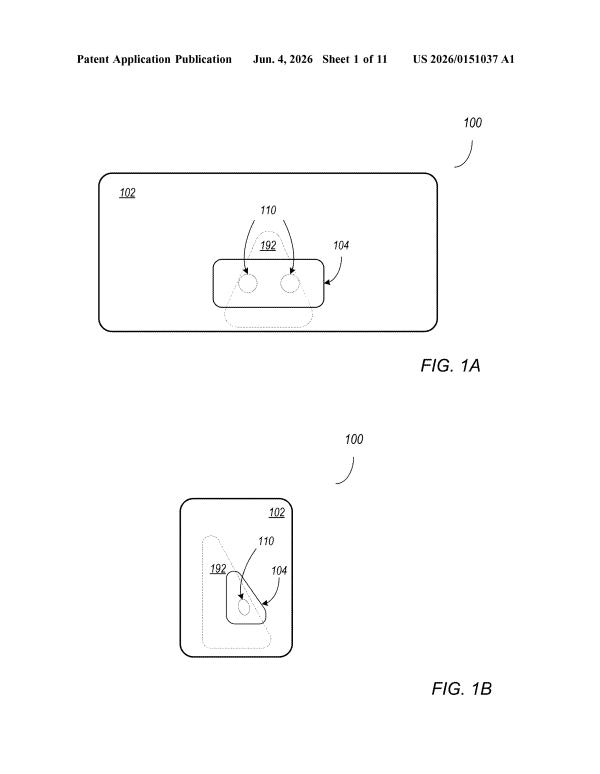
Most of the engineering here goes into sensing the body without extra hardware. Apple patents cover light sensors that read breathing, thermal sensors aimed inward from a headset, and a camera that estimates muscle mass instead of just weight. A motion-gated heart rate system tries to time readings so a stride or pedal stroke doesn't throw off the number. Even sleep tracking starts with a mode switch on the iPhone itself, not a separate accessory. The pattern points to sensors built into devices people already wear, rather than new dedicated trackers.
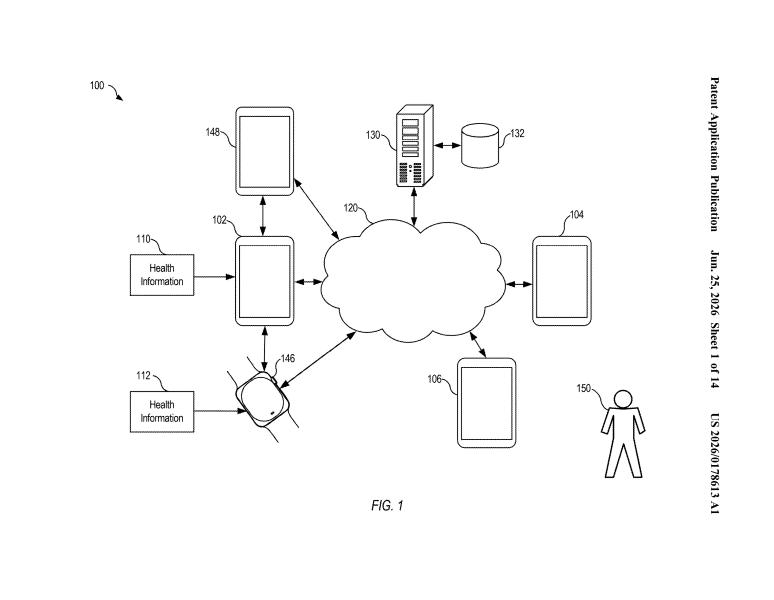
A second cluster of filings deals with what happens after the sensor collects data. One patent focuses on delivering health data back to users in a clearer form, rather than just logging numbers. Another keeps health data in sync across iPhone and Apple Watch so it doesn't split into two separate records. A third adjusts workout goals based on what you've eaten, linking nutrition data to fitness targets automatically. Together these filings treat raw sensor readings as only half the job; the other half is making that data useful and consistent across devices.
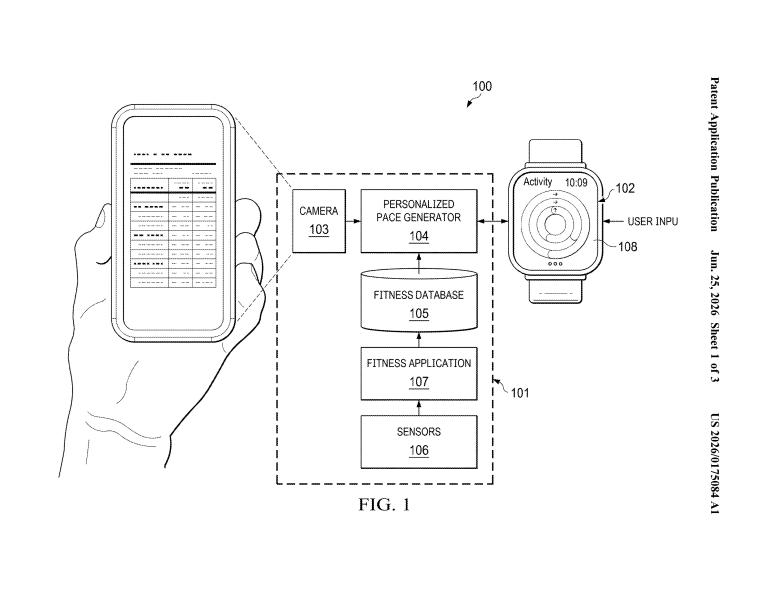
Watch for filings that connect sensing to action, not only measurement, since the workout-goal patent already links food logging to distance targets. Also worth tracking is whether more body signals move from the Watch to the headset, following the pattern set by the breathing and temperature patent. As always, a patent filing describes an idea Apple's engineers explored and protected, not a feature confirmed for a future device, so read each entry as a signal of direction rather than a release date.
Questions readers ask
Does this mean my next iPhone or Apple Watch will track my breathing and heart rate more accurately?
Not necessarily. These are patent filings, which show what Apple's engineers are researching and protecting, not features confirmed for a shipping product. The breathing and heart-rate patents in this storyline describe sensor designs Apple could use, but whether or when they reach an iPhone, Watch or headset is not something a patent filing tells you.
Why does Apple keep patenting ways to sync health data across devices?
Several filings here deal with health data that lives on both an iPhone and an Apple Watch and sometimes falls out of sync. Apple's patents suggest engineers are working on keeping one consistent record across devices and on presenting that data back to users in a clearer way, rather than just adding more sensors.
What is Apple trying to solve with motion-gated heart rate sensing?
The patent describes a way to time heart rate readings around movement, so a reading isn't taken mid-stride or mid-pedal stroke when the number would be least accurate. It points to Apple trying to make existing Apple Watch heart rate sensors more reliable during exercise, rather than adding new hardware.
Are these health sensor patents only for the Apple Watch?
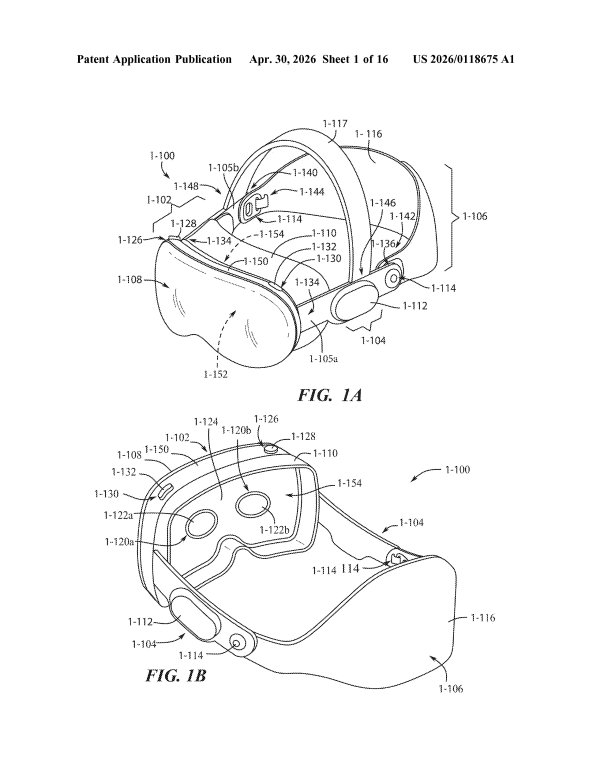
No. The filings in this storyline span the iPhone, Apple Watch and a headset, with sensors described for wrist wear, phone software and even the inside of a headset for breathing and temperature. The pattern suggests Apple is spreading health sensing across several devices rather than concentrating it in one.