US 2026/0277281 A1
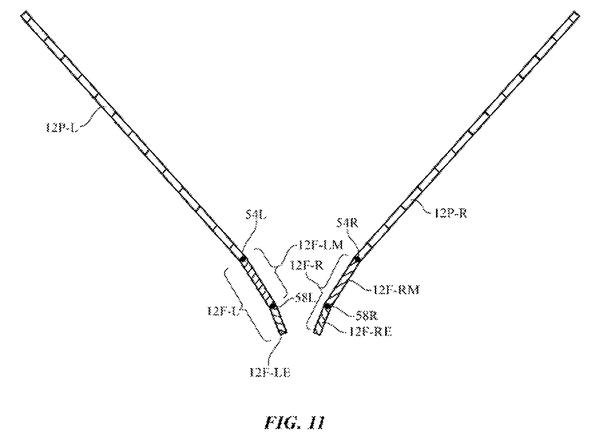
Apple Patents a Self-Flattening Hinge for Foldable iPhones
After patents on pixel crosstalk and edge displays, this one confronts the crease itself by using spring tension to keep the screen taut across the fold when unfolded.

This watchlist gathers Apple's filings on foldable iPhone engineering, from hinge wear and screen crease control to pixel crosstalk and edge-to-edge curved displays. Together the filings show Apple working through the mechanical and display problems that separate a folding concept from a device people can actually use.
9 filings · tracking since Apr 2026 · latest Sep 2026 · updates weekly
based on all tracked filings in this watchlist · refreshes every week
Apple has filed a cluster of patents around building a phone that can fold in half, covering everything from the hinge that lets it bend to the screen materials that keep it from cracking.
The filings lean heaviest on two problems: protecting the screen when it folds repeatedly, and keeping the picture quality sharp all the way to the edges.
a dated entry each week this watchlist moves · older entries stay archived
This week's filing focuses on the hinge, the part that lets a phone fold and unfold. Apple is exploring a design where the hinge pulls itself flat on its own.
Apple’s tracked filings by month · newest first
| Month | Filings | Latest that month |
|---|---|---|
| Sep 2026 | 1 | Apple Patents a Self-Flattening Hinge for Foldable iPhones |
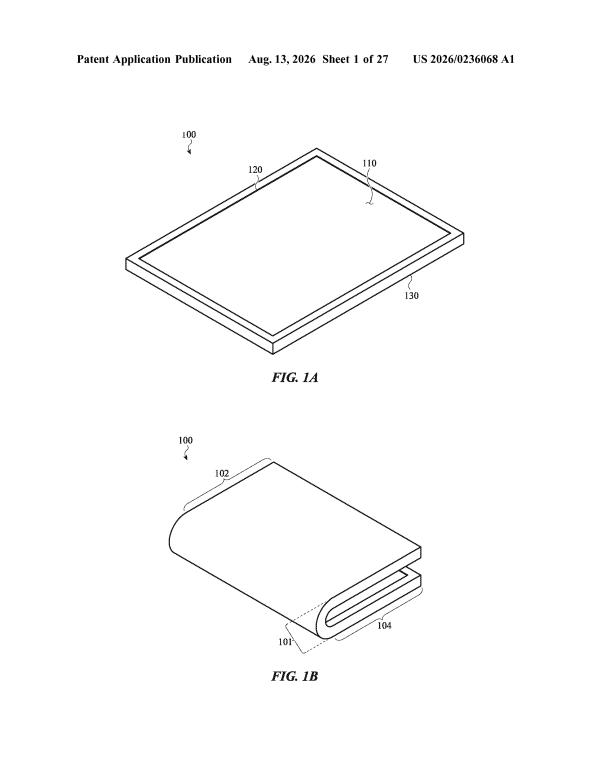
| Aug 2026 | 1 | Apple Patents a Ceramic Cover Layer for Foldable Phone Screens |
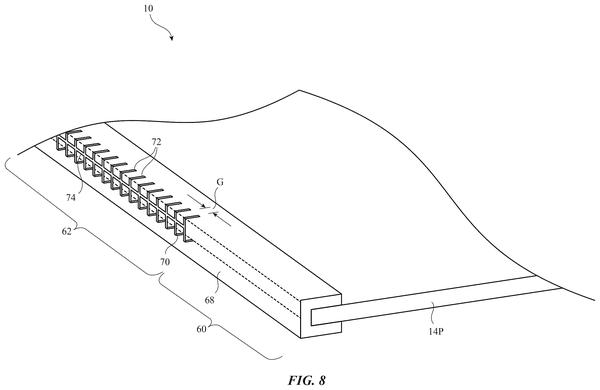
| Jul 2026 | 1 | Apple Patents a Protective Border That Lets Foldable Phone Screens Bend Without Cracking |
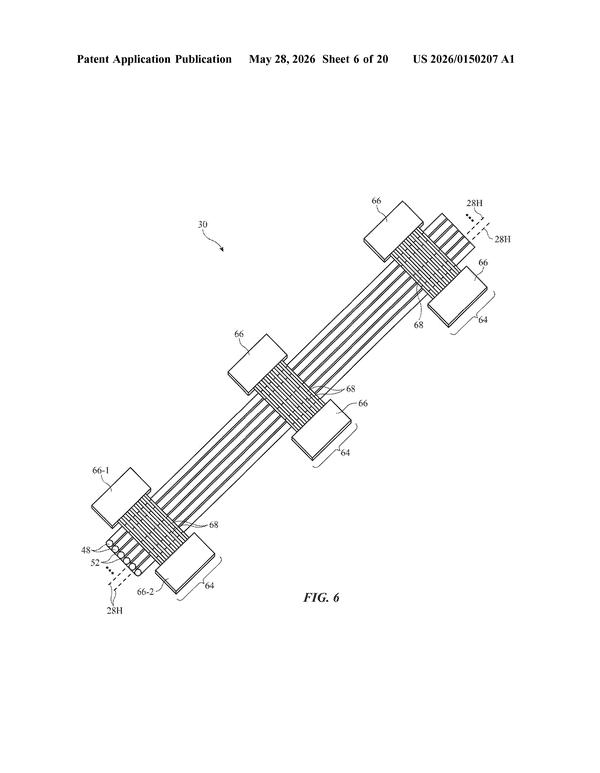
| May 2026 | 3 | Apple Patents a Hinge That Keeps a Foldable Phone Folding Smoothly |
| Apr 2026 | 3 | Foldable iPhone Patent Reveals Active Screen Stress Management System |
15 or more filings that month · 5 to 14 · under 5
the problems Apple keeps filing on · each with its three newest filings · new filings join every week
A folding screen has to bend thousands of times without cracking or creasing. These filings cover a protective border around the screen edge, a ceramic layer on top of the screen, and a system that watches for stress and adjusts in real time.
Flat screens have limits, and these filings explore what happens when a screen bends around the sides of a device. They cover a display that wraps around the phone's edges and a four-sided curved screen that uses tiny mirrors to direct light at the sides.
Even a great screen can show faint unwanted color bleed between pixels or uneven light output. These filings cover fixes for that bleed and a new type of circuit that helps control each pixel more precisely.
Apple is working on a foldable phone that senses and manages screen stress while you use it.
Apple explored using ceramic to protect foldable phone screens from scratches and breaks.
Apple designed a protective border that lets a folding screen bend without cracking.
Apple patented a flexible screen that wraps around the edges of an iPhone.
every tracked filing, month by month · counts are USPTO pre-grant publications, one per publication number (an application, not a granted patent)
US 2026/0277281 A1
After patents on pixel crosstalk and edge displays, this one confronts the crease itself by using spring tension to keep the screen taut across the fold when unfolded.
US 2026/0236068 A1
A ceramic cover layer that flexes with the fold rather than cracking could bring scratch resistance to the outer surface without requiring the plastic feel that current foldables accept.
US 2026/0211458 A1
A flexible elastomer border around the display allows the screen to fold while maintaining structural support at the edges, bridging the gap between rigid bezels and unprotected screen perimeters.
US 2026/0150207 A1
Hinge friction and stopping precision, the tactile feel of repeated folds. Apple's leaf-based design controls resistance across multiple axes so the phone opens and closes the same way after hundreds of uses.
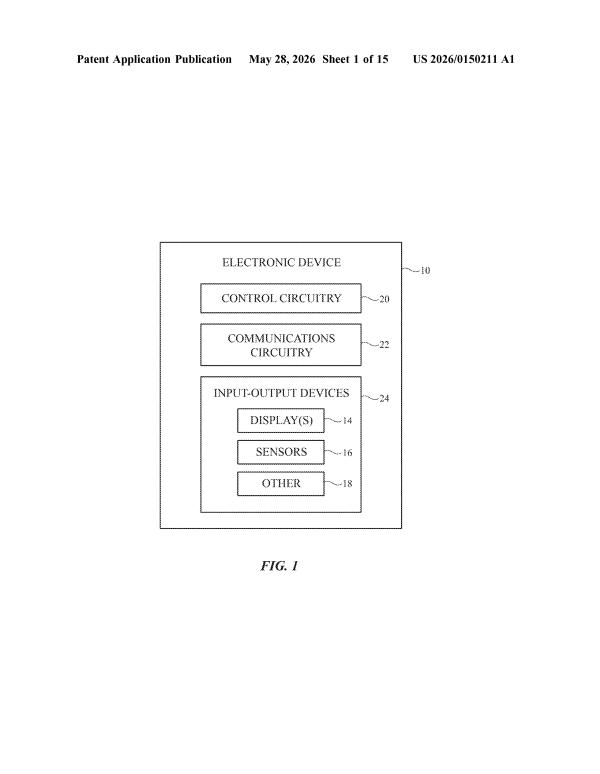
US 2026/0150211 A1
Microscopic mirrors embedded in each pixel redirect light outward on curved edges, compensating for the dimmer appearance that occurs when viewing bent sections from an angle.
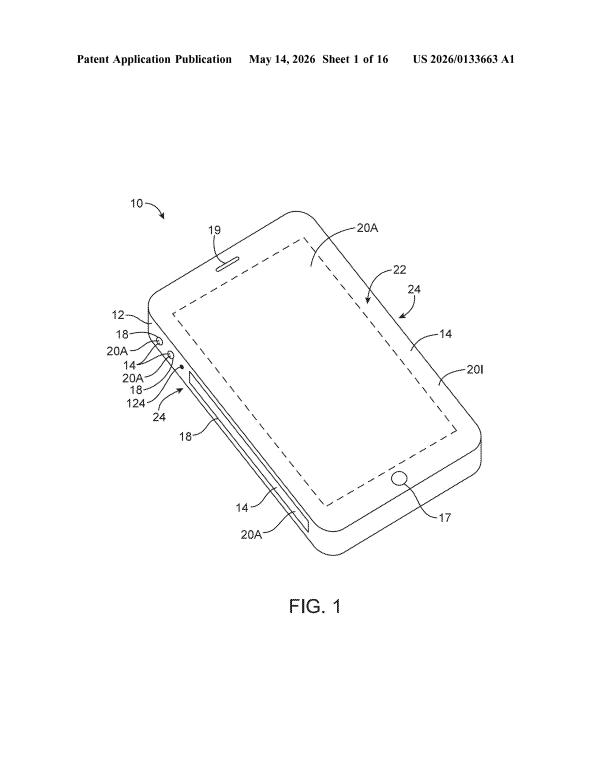
US 2026/0133663 A1
The foldable watchlist so far has centered on the screen folding inward. This filing pivots to wrapping the display outward around the device edges, converting the sides into responsive surfaces that could replace physical buttons.
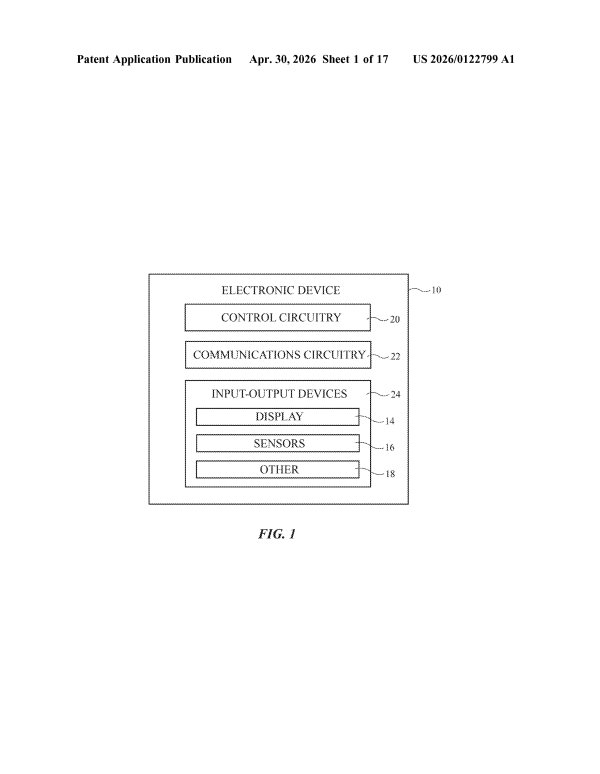
US 2026/0122799 A1
Screen creasing from repeated flexing gets countered by a mechanical system that adjusts display tension based on fold position, distributing stress rather than concentrating it at the crease line.
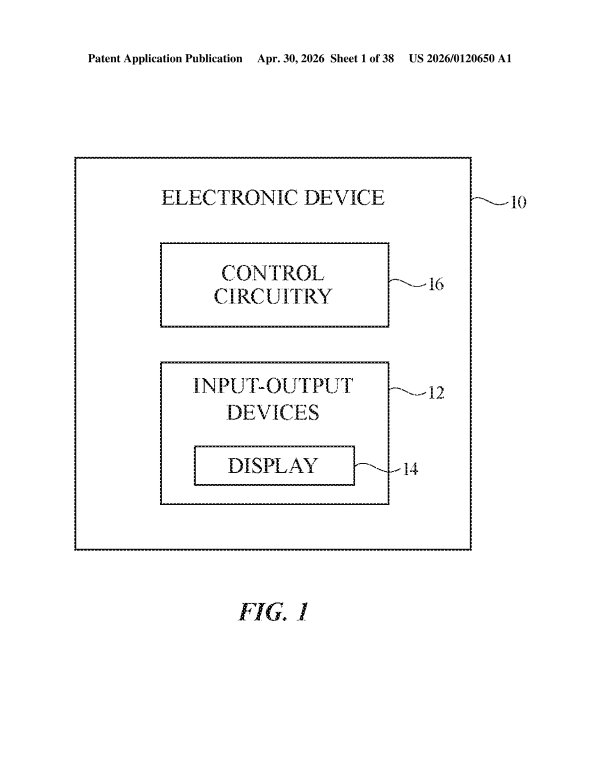
US 2026/0120650 A1
A dual-transistor design in the gate driver lets fast silicon handle switching speed while oxide transistors minimize power drain, solving the speed-versus-stability tradeoff that matters when you're bending a display thousands of times.
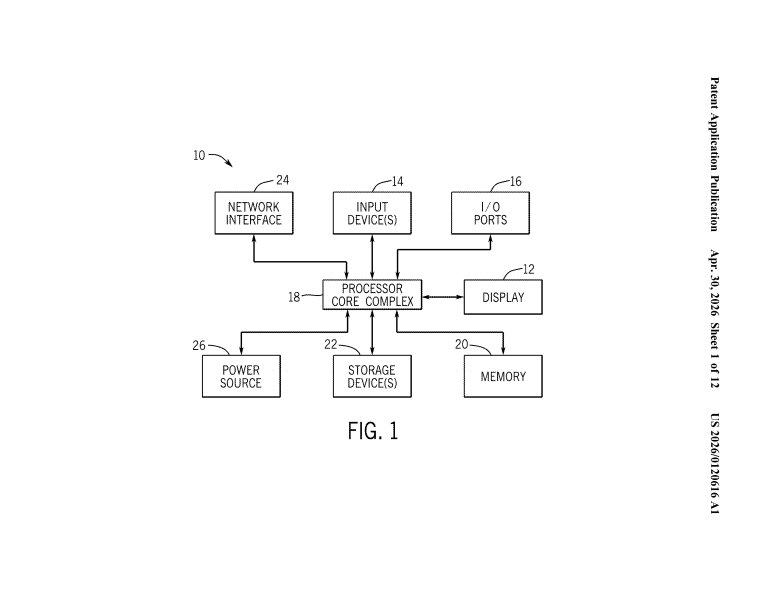
US 2026/0120616 A1
A folded screen needs pixel-perfect uniformity across the crease. This patent's crosstalk fix prevents brightness bleeding along rows, keeping image quality consistent even when the display bends.
These filings show Apple researching the mechanical and display problems a foldable iPhone would need to solve, like hinge wear, screen crease stress, and pixel crosstalk. Patents describe engineering directions, not confirmed products, so this watchlist tracks where Apple's research is heading rather than promising a release.
The crease is the visible and physically weaker line where a foldable screen bends. One filing describes a mechanical system meant to actively manage stress at that fold line, which suggests Apple is trying to reduce both the visible crease and the long-term wear it causes on the display.
A folding phone's hinge has to open and close thousands of times without loosening or letting the screen sag at the crease. Apple's hinge filing describes a multi-axis design aimed at keeping that motion smooth over repeated use, which points to durability as a central concern in this watchlist.
Some filings target the display panel itself, like the hybrid silicon-oxide gate driver and the pixel crosstalk fix, while others target the screen's shape, like the flexible edge-wrapping display and the four-edge curved display with side mirrors. Together they cover both how the screen lights up and how it physically bends.
Want this weekly breakdown for a company we don't cover? Patentlyze Pro →