
Samsung Patents a Chip Design That Simplifies How Processors Talk to Memory
Inside every chip, the processor and memory have to coordinate constantly — and that back-and-forth is a significant source of wasted work. Samsung's new patent tries to slim that conversation down.
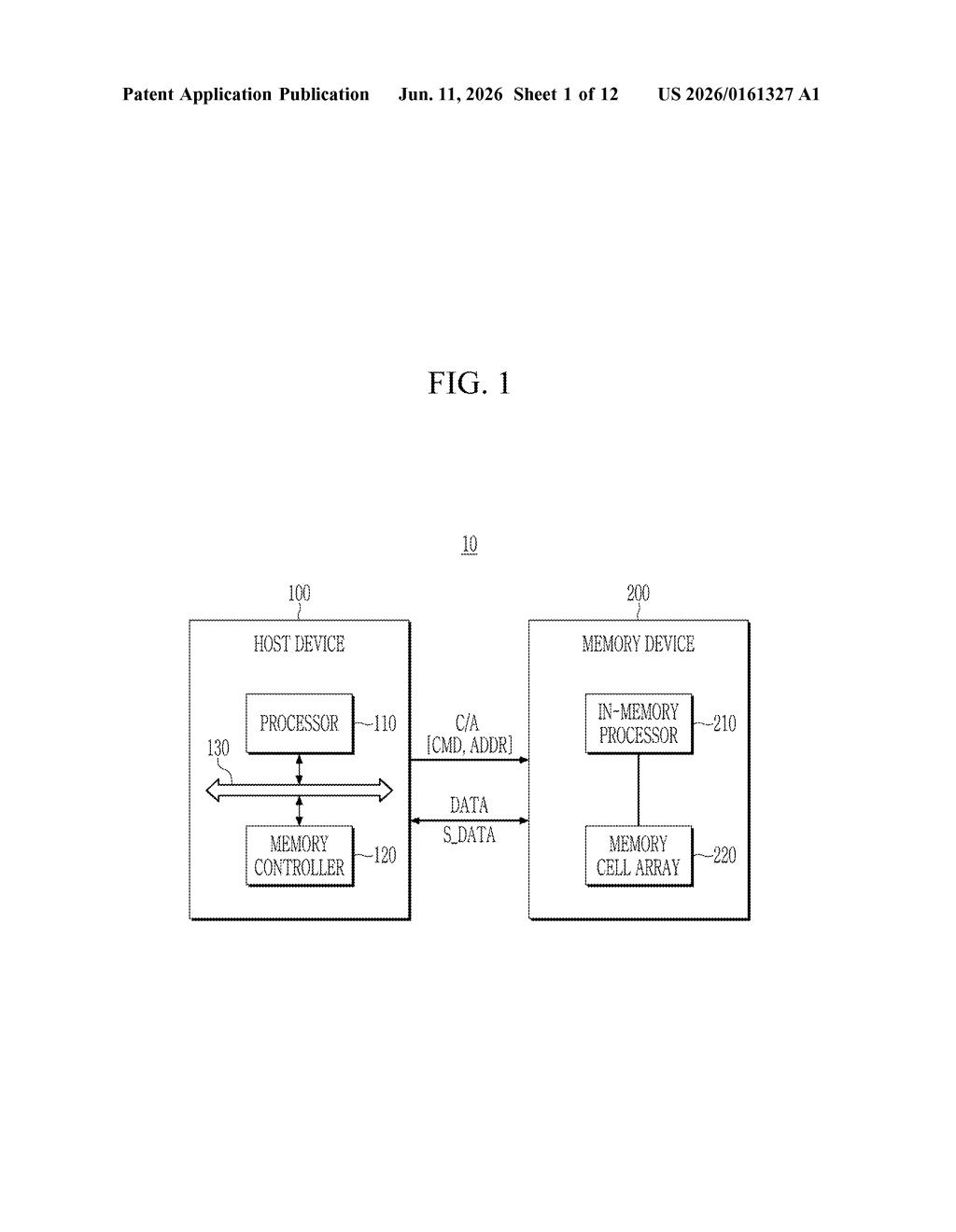
What Samsung's abstract memory command system actually does
Imagine you're managing a warehouse, and instead of telling your workers exactly which shelf, bin, and row to visit for every single item, you hand them a summary note: 'fetch the items needed for Order 42.' The workers figure out the routing themselves. That's roughly the idea here.
Samsung's patent describes a system-on-chip (the single chip that contains a processor, memory controller, and other components — common in phones and tablets) where the processor doesn't micromanage every memory access. Instead, it generates a simplified "abstract" instruction that bundles together what computation needs to happen and where the relevant data lives.
A dedicated memory controller then takes that condensed instruction and handles the actual mechanics of fetching and storing data. The processor gets to move on sooner, potentially reducing idle waiting time and keeping things running more smoothly.
How the processor generates and hands off abstract commands
The patent describes a system-on-chip (SoC) architecture with two key components working in a new division of labor.
First, the processor does two things in parallel: it runs its own normal instruction sequence as usual, and it packages up a higher-level "abstract processing command." That abstract command contains two pieces of information: the type of computing operation requested and the memory addresses where the relevant data lives.
Second, a dedicated memory controller receives that abstract command and translates it into the actual low-level command/address signals (the precise electrical instructions a memory chip understands). The controller handles all the nitty-gritty of memory communication without the processor staying involved.
The key architectural shift is that the processor effectively delegates memory coordination rather than issuing each low-level memory signal itself. This decoupling means:
- The processor's own instruction pipeline can keep moving without waiting on memory handshakes.
- The memory controller can optimize how it fulfills requests independently.
- The interface between processor and memory becomes simpler and more portable across chip designs.
What this means for chip efficiency in Samsung devices
On modern chips — especially in smartphones and AI accelerators — the processor and memory spend a lot of time negotiating over data transfers, and that overhead adds up. By abstracting those negotiations into a cleaner handoff, Samsung's design could reduce the cycles a processor wastes waiting on memory coordination, which matters most in data-heavy workloads like on-device AI inference or video processing.
For Samsung specifically, this kind of architecture is directly relevant to its Exynos line of mobile processors and its growing push into in-memory and near-memory computing. It's also worth noting Samsung is simultaneously one of the world's largest memory chip makers and a major SoC designer — a structural advantage when co-optimizing both sides of this interface.
This is a solid but unsexy piece of chip architecture work. The idea of abstracting memory commands to decouple processor and memory controller isn't new in computer architecture research, but Samsung filing it as a patent signals they're formalizing it into a product-ready design. If it ships in Exynos silicon, the gains will be real but invisible to end users.
There are more where this came from
We read every patent application Big Tech publishes and send you the ones worth knowing. Plain English, free, every week.
Want this weekly breakdown for a company we don't cover? Patentlyze Pro →