
Samsung Patents a Storage Device That Uses AI to Decide What's Worth Compressing
Most compression systems squeeze everything the same way, regardless of whether the data actually benefits. Samsung's new patent describes a storage chip that first checks whether your data is even worth compressing — and uses AI-style meaning analysis to make that call.
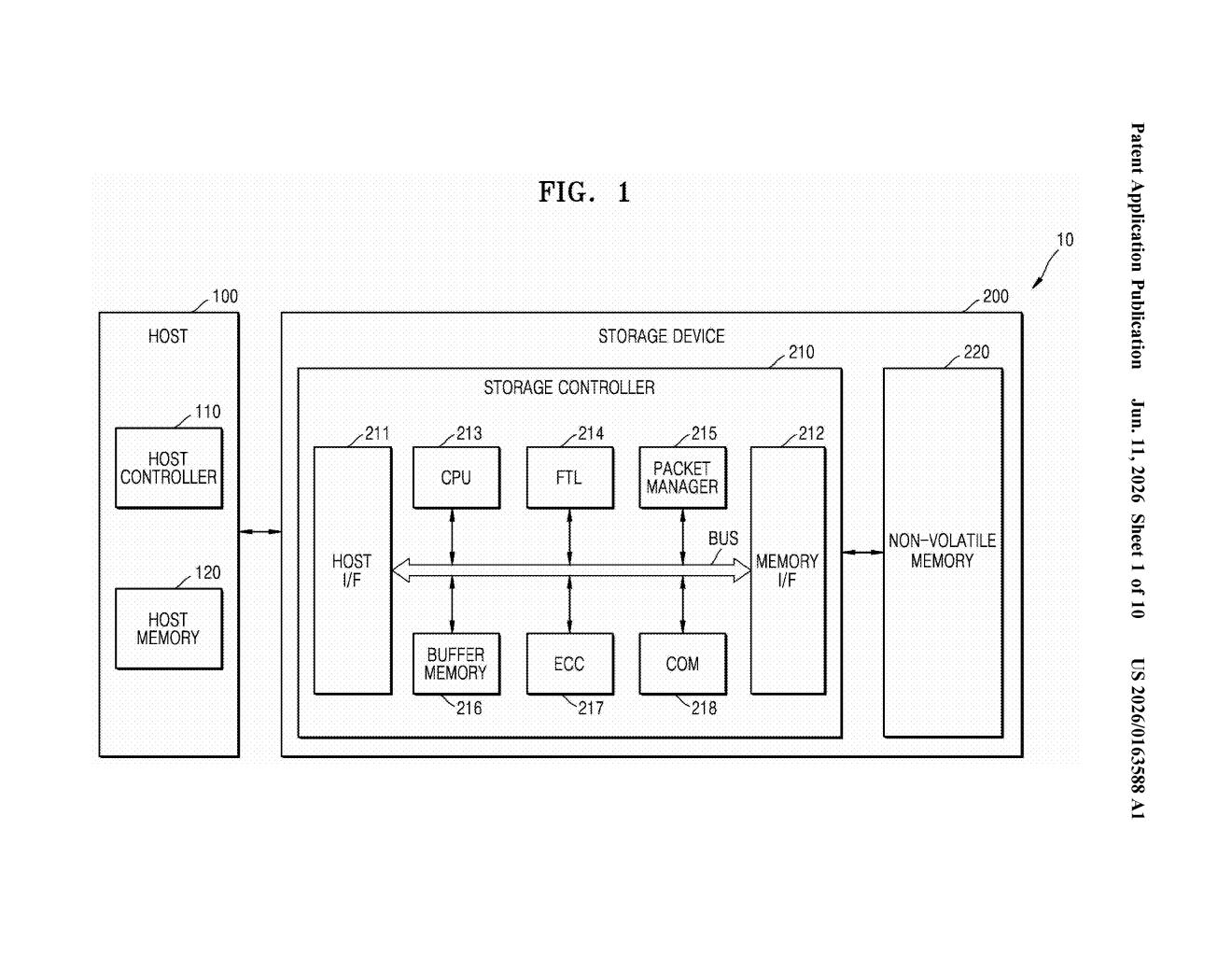
What Samsung's AI-driven storage compression actually does
Imagine you're packing for a trip. Stuffing a foam pillow into a vacuum bag saves real space, but trying to vacuum-compress a brick just wastes time. Your storage drive faces the same problem: not all data compresses well, and forcing bad candidates through the process burns energy without saving much room.
Samsung's patent describes a storage controller that acts like a smart packing assistant. Before squeezing anything, it first asks two questions: is this data important enough to bother with? And does it have enough redundancy — repeated or predictable patterns — to make compression worthwhile? That second check is what Samsung calls a "semantic entropy" test, which is essentially a measure of how much meaningful information is packed into the data versus how much of it is repetitive filler.
Only data that passes both checks gets run through the AI-based compressor, and the result is stored in a premium tier of the flash memory. Everything else is handled differently, avoiding wasted effort on data that wouldn't compress well anyway.
How the semantic entropy checker gates compression
The patent describes a storage controller with three cooperating components sitting between your device's CPU and its non-volatile (flash) memory.
- Important data checker: A first filter that decides whether incoming data is worth prioritizing at all. Think of it as a triage step — routine, low-value writes skip the fancy pipeline entirely.
- Semantic entropy checker: For data that clears the first hurdle, this module measures "semantic entropy" — essentially, how much novel meaning is packed into the data versus how repetitive it is. Low entropy means the data has lots of redundancy, which makes it a good candidate for compression. High entropy (think encrypted files or already-compressed video) means compression would barely shrink the file and might even distort meaning.
- Semantic compressor: Only when entropy is below a set threshold does this component engage. It performs "semantic compression" — a form of compression that operates at the level of meaning or concept rather than just raw bytes — and writes the result into a first-tier storage partition, presumably faster or more reliable flash cells.
The key insight is the gating logic: compression is treated as a privilege earned by data that will actually benefit, not a default operation applied blindly to everything.
What this means for flash storage efficiency
Flash memory has a finite number of write cycles, and every unnecessary compression operation both wastes those cycles and burns CPU time inside the storage controller. By skipping compression for data that won't benefit — encrypted files, already-compressed media, high-entropy sensor data — a drive built on this design could last longer and respond faster under heavy workloads.
For data centers and enterprise SSDs, where Samsung is a dominant supplier, even modest efficiency gains multiply across millions of drives. For consumer devices, the practical upside is subtler but real: better battery life on laptops and phones, since the storage controller does less pointless work. This is incremental storage engineering, but it targets a genuine inefficiency that existing drives handle clumsily.
This is quiet but sensible work. Applying semantic analysis — rather than dumb byte-level pattern matching — to decide whether to compress data is a logical evolution for storage controllers as AI inference moves closer to the hardware layer. It won't make headlines, but it's the kind of foundation patent that matters when Samsung starts shipping next-generation SSDs.
There are more where this came from
We read every patent application Big Tech publishes and send you the ones worth knowing. Plain English, free, every week.
Want this weekly breakdown for a company we don't cover? Patentlyze Pro →