
IBM Patents a Dashboard for Tracking How Much Code AI Actually Wrote
As AI coding assistants quietly write more and more of the software your company ships, IBM thinks someone should be keeping score — and this patent is its answer.
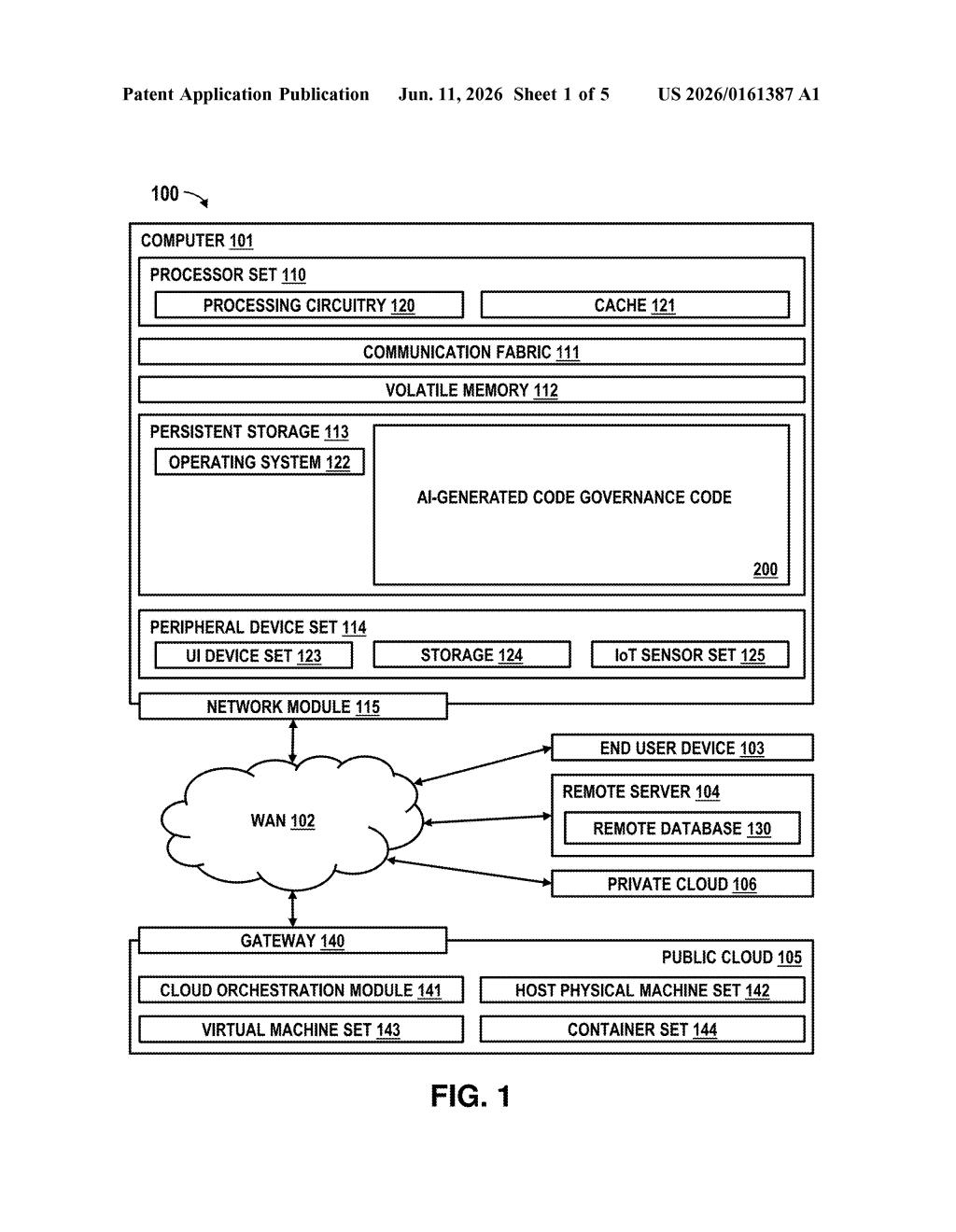
What IBM's AI code-tracking system actually does
Imagine your software team uses an AI assistant to help write code, the way a lot of developers do these days. Over time, nobody really knows how much of your finished product was written by a human versus generated by an AI. That ambiguity is starting to worry legal teams, security auditors, and company executives.
IBM's patent describes a system that watches a central code storage place (called a repository) and tags the portions that came from an AI model. It then turns that data into charts and dashboards your team can actually look at — showing, for example, what percentage of a project was AI-generated, or which files lean heavily on AI output.
The goal is straightforward: give managers and compliance teams a clear, visual picture of how much AI is in their software, before that question gets asked by a regulator or a client.
How the system reads metadata to flag AI-generated code
The system works by reading metadata — background information attached to source code files — that identifies which portions of the code were produced by an AI model rather than typed by a human developer. This metadata is analyzed after the code has been committed to a repository (think of a repository as a shared filing cabinet where all versions of a software project live, like GitHub).
From that analysis, the system produces insights — structured findings about the extent and nature of AI involvement in the codebase. Those insights are then rendered as visualizations: charts, summaries, or dashboards displayed in a user interface on a developer's or manager's device.
The patent's claim is intentionally broad, focusing on the core loop:
- Ingest metadata from a code repository
- Identify AI-generated portions of the code
- Surface the findings as visual reports
It doesn't specify exactly how AI authorship is tagged in the metadata — that detail is left open, which is either a feature (flexible implementation) or a weakness (prior art risk). The visualization layer is where IBM's governance story really lives: turning raw provenance data into something a non-engineer can act on.
Why AI code governance is becoming a real IT headache
Regulations around AI-generated content in software are still forming, but pressure is building fast. Enterprise clients increasingly want to know how much of the code they're buying or deploying was written by a machine. IBM, which sells heavily into regulated industries like banking, healthcare, and government, has an obvious incentive to own this governance layer before it becomes a compliance checkbox someone else defines.
For you as a developer or engineering manager, a tool like this could eventually show up as a required audit feature inside platforms like IBM's own watsonx Code Assistant. If AI-written code becomes something you have to disclose — to clients, insurers, or regulators — having a dashboard that tracks it automatically is a lot better than counting manually.
This is a sensible, if unglamorous, bet. The real fight over AI-generated code isn't about whether it works — it's about accountability and traceability, and IBM is staking ground there early. The claim is broad enough that execution will matter far more than the patent itself.
There are more where this came from
We read every patent application Big Tech publishes and send you the ones worth knowing. Plain English, free, every week.
Want this weekly breakdown for a company we don't cover? Patentlyze Pro →