
Disney Patents a Way to Wirelessly Power Objects Inside Water
Disney has patented a system that beams electricity to objects sitting in water — no wires, no batteries to swap — which opens up some genuinely imaginative possibilities for theme park water features.
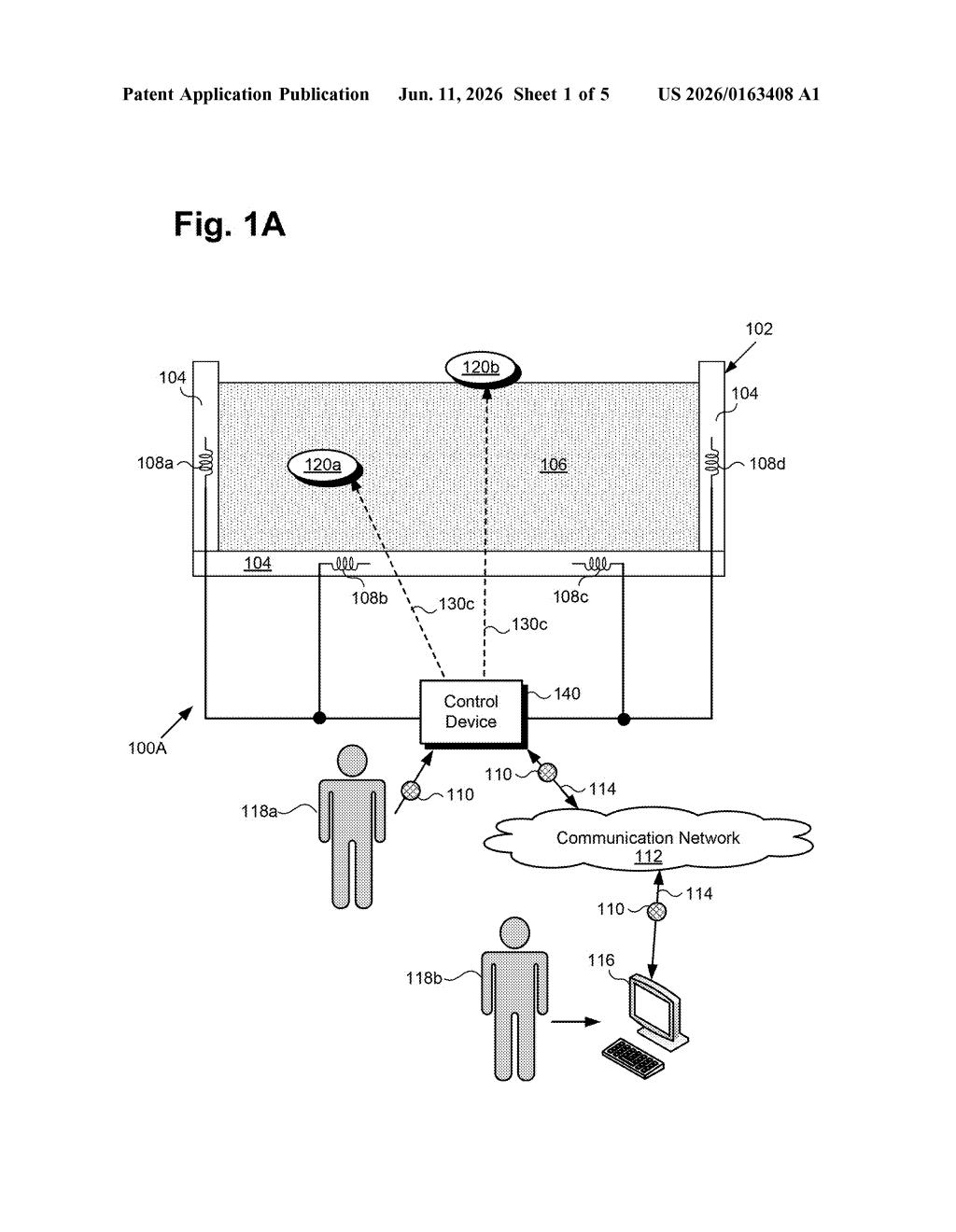
What Disney's underwater wireless charging actually does
Imagine a fountain at a Disney theme park where figures, lights, or props seem to come alive in the water with no visible power source. That's essentially what this patent describes.
The idea is straightforward: Disney would embed small coils inside objects — the same basic principle as wireless phone charging — and place a larger coil somewhere in the water tank or reservoir. When a signal is sent, the big coil generates a magnetic field that induces electricity in each smaller coil, powering whatever the object needs to do. The water itself doesn't conduct the power; it's the magnetic field passing through the water that does the work.
The result is that you could have animated or illuminated objects floating or submerged in a pool, responding to commands from a control system, without any trailing wires or exposed electrical connections. For a theme park obsessed with immersive storytelling, hiding the "how" is half the magic.
How the induction coils charge objects through fluid
The system has four main parts: a fluid-filled reservoir (think a pool, tank, or fountain basin), one or more objects with induction coils built inside them, at least one larger conductive coil mounted in the reservoir, and a control device that orchestrates everything.
When the control system receives a command to trigger an activity, it pushes an electric current through the reservoir coil. That current creates a fluctuating magnetic field — the same phenomenon that makes wireless phone chargers work — and that field induces a second current inside each object's embedded coil. That induced current is what actually powers the object.
- Reservoir coil: the transmitter, energized by the control system on demand
- Object coils: receivers embedded inside each prop or figure; they harvest the magnetic field and convert it to usable power
- Control application: software that decides when to trigger the system and what "activity" each object should perform
Because magnetic fields pass through water without the safety hazards of a live electrical connection in fluid, the design sidesteps the obvious "electricity and water don't mix" problem that would make wired props dangerous.
What this means for Disney's parks and attractions
For Disney's theme parks, the practical payoff is the ability to put powered, responsive objects into water features without the engineering headache of waterproofed wiring or frequent battery replacements. A fountain could have figures that light up, move, or react to a guest's interaction — and the effect reads as seamless because there are no visible power connections to break the illusion.
Beyond pure spectacle, this kind of system also makes maintenance simpler. Objects can be lifted out of the water, inspected, and returned without any unplugging. For a company whose entire business model depends on guests not seeing the seams in the experience, that's a genuinely useful engineering tool — even if the underlying induction technology has existed for decades in other contexts.
This is a focused, sensible application of existing wireless-charging technology to a problem Disney actually has: making water-based attractions more dynamic without exposed wiring. It's not a physics breakthrough, but it's exactly the kind of purposeful engineering patent that tends to quietly show up in a real attraction a few years later.
There are more where this came from
We read every patent application Big Tech publishes and send you the ones worth knowing. Plain English, free, every week.
Want this weekly breakdown for a company we don't cover? Patentlyze Pro →