
Samsung's New Patent Gives Each Fold Its Own Protective Layer to Stop Cracking
Folding a screen once is hard enough — folding it twice, without the surface cracking or creasing unevenly, is an entirely different engineering problem. Samsung Display's latest patent tackles that by giving each fold its own chemically distinct protective layer.
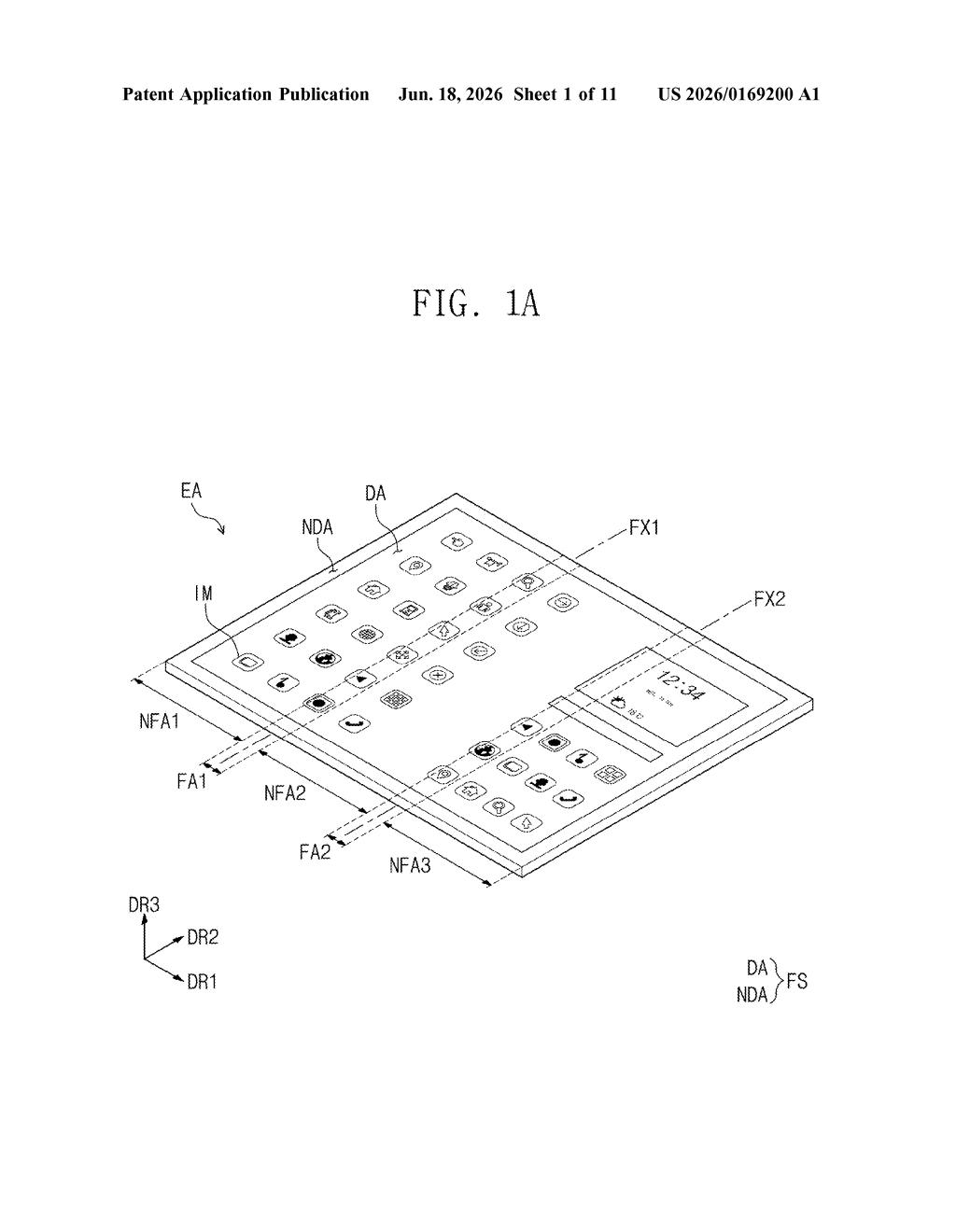
Why Samsung's dual-fold screen needs two different coatings
Imagine a phone that folds in two places, like a letter folded into thirds. The outer panels stay flat most of the time, but the two hinged sections flex open and closed hundreds of times a day. A single protective coating across the whole screen is a compromise: make it too stiff and the fold zones crack; make it too soft and the flat panels scratch easily.
Samsung Display's patent proposes a smarter split: the hard coating on top of the screen is chemically different at each fold. The inner fold — the one that bends more tightly — gets a softer, more flexible formula. The outer fold, which curves more gently, gets a harder, more scratch-resistant one. The flat panels in between share a third formulation tuned for durability.
The result is a screen that can survive repeated folding without developing the stress lines or surface damage that have plagued early foldable devices. You probably wouldn't see or feel the difference — but your screen would hold up far longer.
How Samsung tunes stiffness across five screen zones
The patent describes a display with five distinct zones laid out in a row: three flat panels (non-folding portions) separated by two flex zones (folding portions). A protective film sits over the whole display, and the hard coating layer within that film is engineered to have different physical properties at each fold.
Both fold-zone coatings are made from the same family of ingredients — silsesquioxane-based resin (a hybrid organic-silicon material known for optical clarity and flexibility), oxetane-based resin (a component that controls how the coating cures and crosslinks), a cationic photopolymerization initiator (a chemical trigger activated by light that kicks off the hardening process), and silica nanoparticles (microscopic glass-like particles that add scratch resistance). The difference is in the ratios and exact formulations.
The key metric separating the two fold zones is Young's modulus — a measure of how much a material resists bending. The inner fold coating has a lower Young's modulus and lower hardness than the outer fold coating, meaning it deforms more easily under stress rather than cracking. An anti-reflection layer — built from alternating high- and low-refractive-index films — sits on top of everything to reduce glare.
Manufacturing this likely involves applying different coating compositions to precise regions of the film before curing, either through masking or sequential deposition steps.
What this means for the next wave of foldable phones
Foldable screens have a durability reputation problem — early models from multiple brands showed creases, coating failures, and surface damage faster than buyers expected. A dual-fold device multiplies those failure points. If Samsung Display can tune the protective coating at each flex zone independently, that directly addresses the most visible consumer complaint about foldables: they look worn out too soon.
This patent also points toward tri-fold devices — phones or tablets that fold twice — as a genuine product direction Samsung is preparing materials science for, not just a concept. For you as a buyer, that means the next generation of foldables from Samsung could offer better long-term durability, though a patent filing is a long way from a shipping product.
This is unglamorous materials engineering, but it's exactly the kind of foundational work that separates a foldable phone people actually keep for two years from one that looks beat-up after six months. The fact that Samsung Display is filing patents specifically for dual-fold screen coatings — not single-fold — tells you something about where the product roadmap is heading.
There are more where this came from
We read every patent application Big Tech publishes and send you the ones worth knowing. Plain English, free, every week.
Want this weekly breakdown for a company we don't cover? Patentlyze Pro →