
IBM Patents a System That Spots Hidden Links Between Your Open Apps
Every time you copy a number from one app and paste it into another, your computer treats those two actions as completely unrelated. IBM wants to change that — by watching how you work across apps and figuring out when those actions are secretly connected.
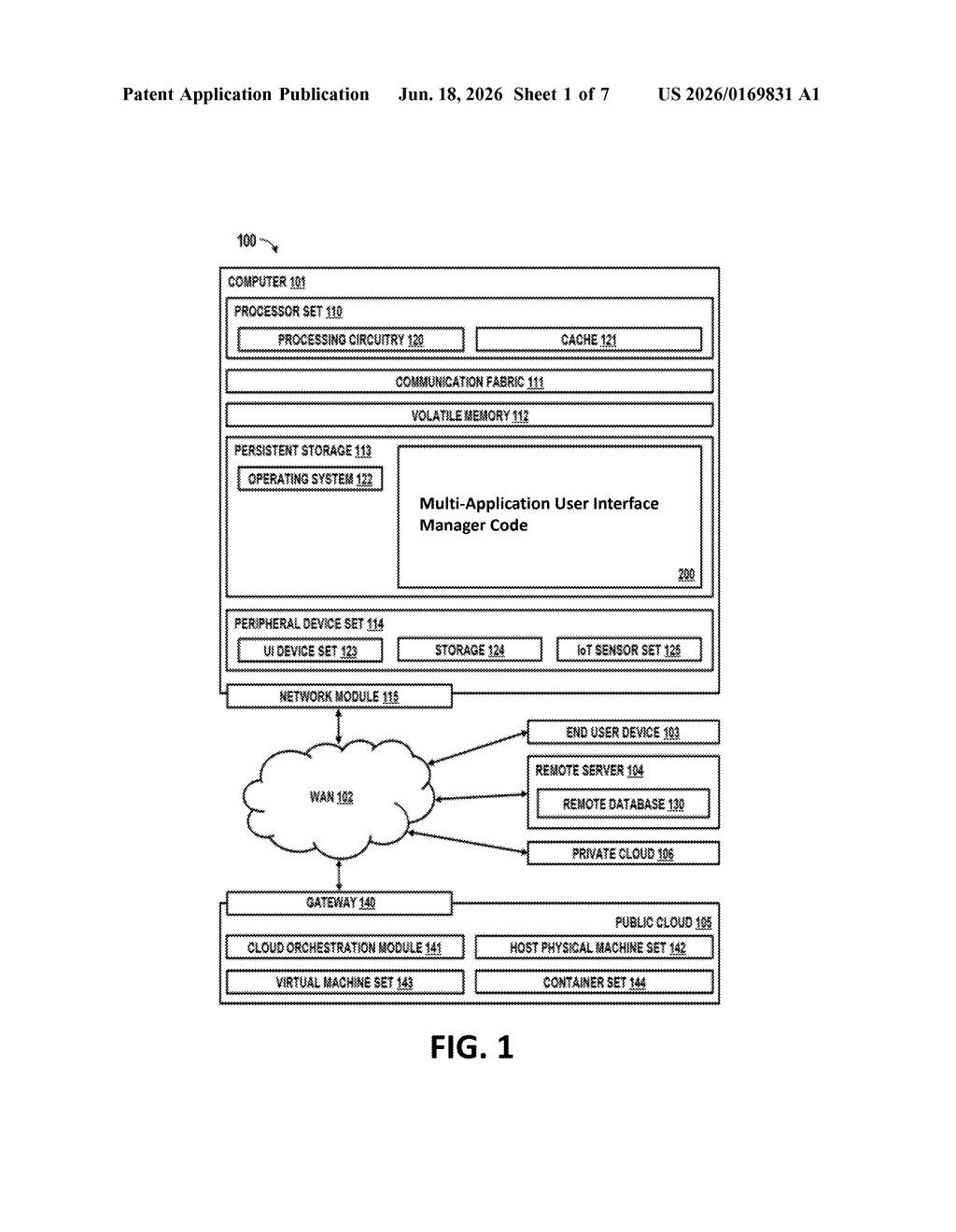
What IBM's cross-app action tracker actually does
Imagine you're working on a report in a word processor while pulling data from a spreadsheet and checking figures in a calculator. Right now, your computer has no idea those three tasks are part of the same job — each app is its own little island.
IBM's patent describes a system that watches the actions you take inside each open app and then looks for relationships between them. If you pull a number out of one program and drop it into another, the system notices and records that link. It's essentially building a map of how your work actually flows between applications.
The goal is to give software a sense of context — so your computer understands that what you're doing in App A is connected to what you're doing in App B. That awareness could eventually let software suggest next steps, automate repetitive handoffs, or flag when something looks out of sync.
How the system maps operations across open applications
The patent describes a cross-application operation tracker that runs in the background while multiple apps are open at the same time. It monitors what IBM calls inter-application operations — actions that involve moving or referencing information between two or more programs.
The core step is determining a linkage between an action in one app and a corresponding action in another. For example, if you copy a cell from a spreadsheet and paste it into an email, the system records both events and tags them as related — rather than treating them as two separate, unconnected inputs.
The tracking is described as user-initiated, meaning it follows deliberate user actions rather than passively scraping app data. The system collects this into structured tracking information that can then be used downstream — for automation, suggestions, or analysis. The patent doesn't fully specify what happens after the linkage is found, leaving that for dependent claims and future filings.
The architecture runs on a standard processor, so there's no exotic hardware requirement implied. This looks like a software layer that could sit on top of an existing operating system or enterprise productivity platform.
What this means for enterprise software and productivity tools
Most productivity software today is siloed. Your calendar doesn't know what your email client is doing; your project-management tool doesn't know what your word processor is doing. IBM's patent is an attempt to build a foundation for software that understands your workflow rather than just your commands inside a single app. In an enterprise context — where knowledge workers constantly shuttle data between dozens of tools — that kind of cross-app awareness could save real time.
For IBM specifically, this fits squarely into its long-running push to embed AI into enterprise software through products like watsonx. If the system can reliably map how work moves between applications, it becomes the connective tissue for smarter automation — the kind that actually matches how people work, not how software architects imagined they would.
This is foundational plumbing work, not a finished product — the patent stops right at the interesting part (finding the link) without saying what the system does with that information. But the underlying idea is sound and genuinely useful in enterprise settings where cross-app workflows are messy and manual. Worth watching to see what IBM builds on top of it.
There are more where this came from
We read every patent application Big Tech publishes and send you the ones worth knowing. Plain English, free, every week.
Want this weekly breakdown for a company we don't cover? Patentlyze Pro →