
IBM's New Patent Finds a Better Performer and Puts Them in Your Training Session
IBM is patenting a system that watches you practice a skill, grades your performance in real time, then finds someone who does it better and drops them into your training environment so you can learn by watching.
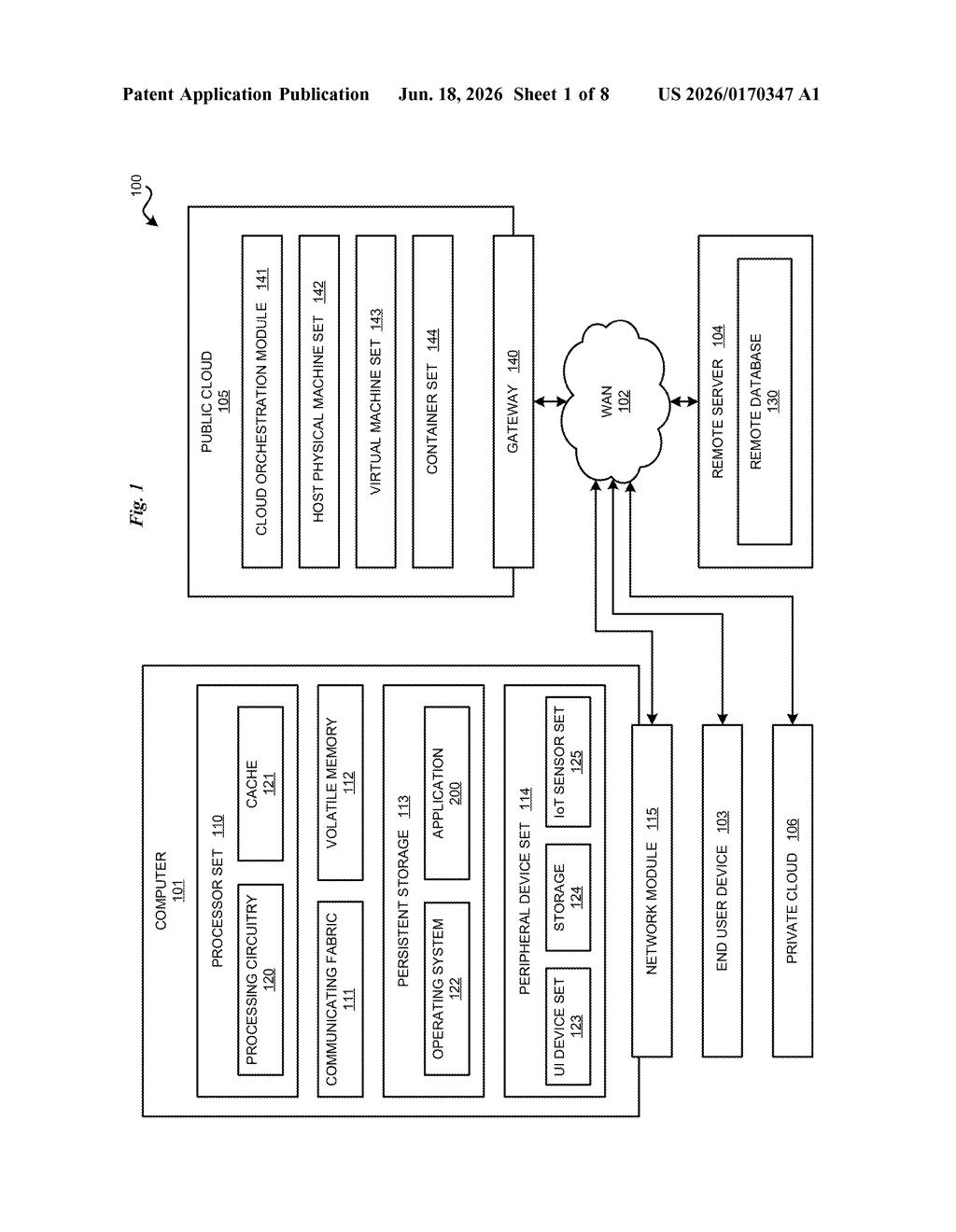
How IBM's peer-matching learning system actually works
Imagine you're practicing a physical skill — say, a golf swing or a surgical technique — and an AI coach could instantly find someone who performs it better than you and project them right into your field of view so you could copy their form. That's the core idea here.
IBM's system monitors what you're doing, scores your performance, then searches a pool of other users to find one whose score is meaningfully higher than yours. Once it finds that person, it overlays a visual of them into your interactive environment — almost like a ghost image in a racing video game — so you and that better-performing peer are effectively practicing side by side.
The gap between your score and theirs determines which version of their performance gets shown to you. The closer you are in skill, the more directly comparable the example. It's less about watching an expert from afar and more about being paired with someone just a little further along than you are.
How three neural networks score, match, and overlay peers
The patent describes three separate neural networks working in sequence.
- Neural network one watches the first user (you) performing an activity and produces a quality metric — essentially a performance score based on how well you're doing.
- Neural network two uses that score to search for a second user — someone else who has performed the same activity and whose score is higher — and calculates their quality metric as well.
- Neural network three transforms the interactive environment by overlaying an image or representation of that second user into your session. The specific image chosen is based on the difference between the two scores, so you see a peer whose skill level is calibrated relative to yours.
The key word in the claim is "interactive" — both profiles interact with the overlay, meaning this isn't just a replay or a how-to video. The system is designed to create a live or semi-live shared environment where the higher-performing peer's movements or actions are visible alongside your own.
The patent doesn't lock this to a single domain. The "activity" could be anything measurable — physical exercise, a training simulation, a learning game, or a professional skill assessment.
What this means for AI-driven training platforms
For enterprise training platforms — which IBM sells in large quantities — this kind of system could replace static instructional videos with adaptive, peer-driven examples. Instead of watching a pre-recorded expert who is far beyond your level, you'd be matched with someone closer to your ability, which research consistently shows is more effective for skill acquisition.
For IBM's broader AI portfolio, this is also a demonstration of chaining multiple neural networks together for a single user-facing outcome — a pattern that's becoming common in enterprise AI products. Whether this ends up embedded in a specific IBM training product or licensed to customers building their own platforms, the underlying architecture is the kind of thing that could surface quietly inside tools you use at work without ever seeing IBM's name on it.
This is a genuinely interesting idea dressed up in dense patent language. The core insight — that peer learning works best when the peer is slightly better than you, not dramatically better — is backed by real educational research, and building a neural system that automatically finds and surfaces that peer is worth patenting. The enterprise training market is where this would land first, and it's a natural fit.
There are more where this came from
We read every patent application Big Tech publishes and send you the ones worth knowing. Plain English, free, every week.
Want this weekly breakdown for a company we don't cover? Patentlyze Pro →