
Sony's New Patent Stops Electrical Noise from Making OLED Screens Flicker
Every OLED screen has a dirty little secret: the wires that carry image data also accidentally push and pull on the pixels they pass by, causing tiny brightness variations the human eye can sometimes detect. Sony's new patent describes a circuit designed to cancel that interference before it ever shows up on screen.
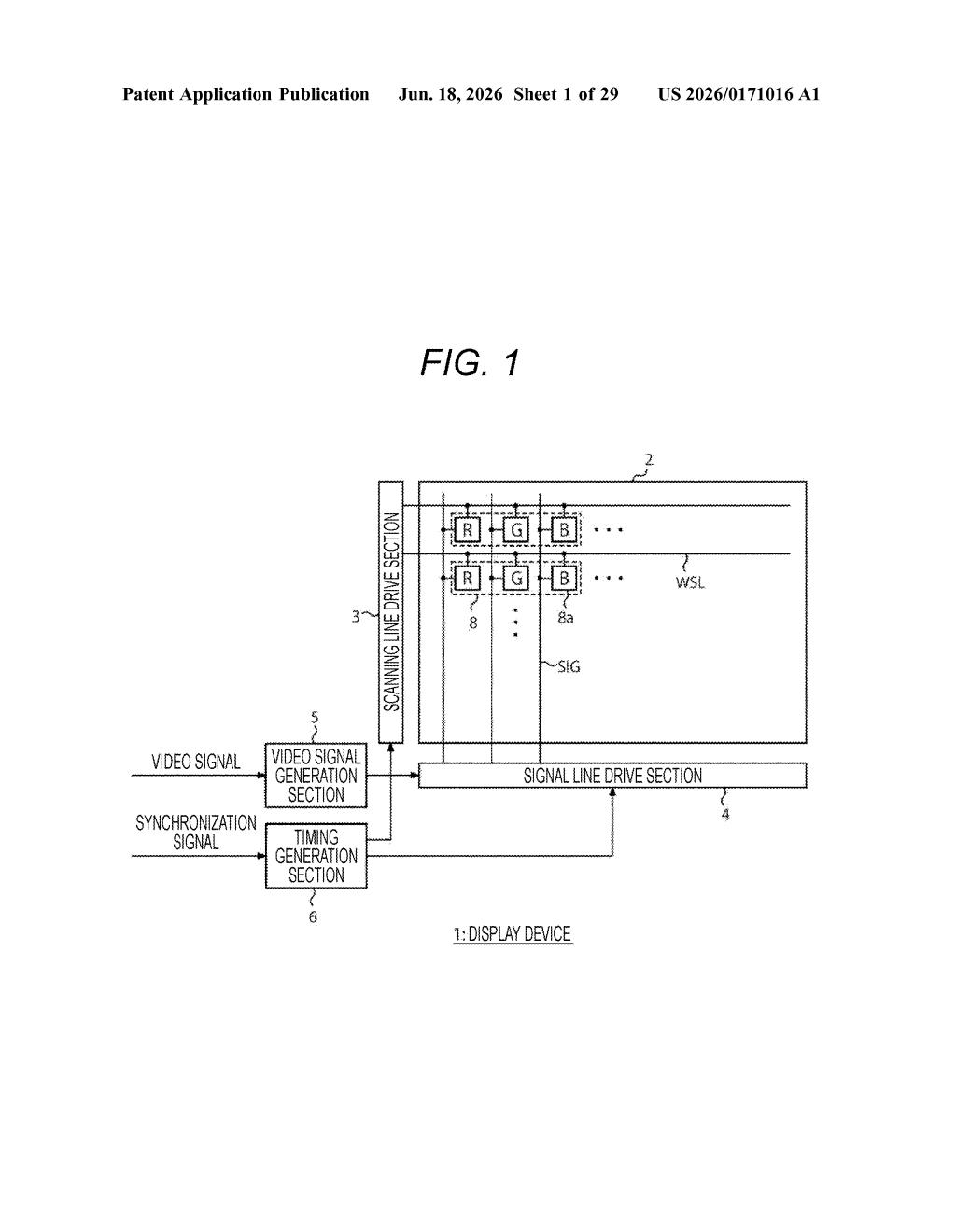
What Sony's voltage-canceling display fix actually does
Imagine a busy office where everyone is talking at once — the noise from one conversation bleeds into the next. OLED screens have a similar problem. The wires (signal lines) that carry brightness instructions to each row of pixels also create small electrical disturbances that nudge neighboring pixels, making them slightly brighter or dimmer than they should be. Over a full screen, that adds up to subtle banding or flicker.
Sony's patent describes a circuit that watches those disturbances and generates a matching counter-voltage — essentially a carefully timed electrical signal that cancels the interference before it reaches the light-emitting element inside each pixel. Think of it like noise-canceling headphones, but for electricity inside a screen.
The goal is cleaner, more accurate brightness at the pixel level — which matters most in high-contrast scenes where even tiny errors in black or near-black regions are visible to the naked eye.
How the reference voltage offsets signal-line interference
At the heart of the patent is a reference voltage generation section — a dedicated circuit block inside the display's signal-line driver. Instead of supplying a fixed reference voltage to the pixels, this section generates a voltage whose level changes over time, synchronized with the data being written to the screen.
Here's the core problem it solves: in an OLED pixel, one terminal of the light-emitting element is connected to a common reference line. When the signal lines (the wires feeding brightness data) switch voltage levels as they update pixel values, those switching events create small parasitic disturbances (unwanted electrical coupling) on that reference terminal. The result is that the voltage seen by the light-emitting element drifts slightly from its intended value, changing how brightly it glows.
The patent's approach:
- Monitor or anticipate how signal-line voltages change during a frame update
- Generate a reference voltage that shifts in the opposite direction by the same amount
- Feed that compensating voltage to all the affected pixels simultaneously via the signal lines
By doing this, the unwanted fluctuation at one end of each light-emitting element is effectively cancelled out, and the pixel produces the brightness level it was actually told to produce.
What this means for high-end OLED display quality
OLED panels are already the display technology of choice for high-end TVs, flagship smartphones, and professional monitors — precisely because they can produce true blacks and very high contrast. But the same pixel-level control that makes OLEDs so accurate also makes them sensitive to small electrical errors. A circuit that actively corrects for signal-line interference could allow manufacturers to push brightness and contrast further without introducing visible artifacts.
For Sony, which makes OLED panels through its semiconductor division and supplies display components to a range of device makers, this kind of low-level display engineering is a direct competitive lever. If this technique finds its way into production, you likely wouldn't see a marketing bullet point for it — you'd just notice that dark scenes on a future Sony display look a little cleaner than the competition's.
This is unglamorous but genuinely useful display engineering. The problem it addresses — parasitic voltage coupling in OLED signal lines — is real and well-documented, and active compensation at the driver level is a more elegant fix than the software gamma corrections most manufacturers rely on today. It won't headline a product launch, but it's exactly the kind of incremental improvement that separates good panels from great ones.
There are more where this came from
We read every patent application Big Tech publishes and send you the ones worth knowing. Plain English, free, every week.
Want this weekly breakdown for a company we don't cover? Patentlyze Pro →