
Microsoft Patent Targets Bug Scanners That Verify Calling Context Before Flagging Defects
Most automated code scanners flag a bug wherever they find one, whether or not the surrounding code already handles it. Microsoft's new patent describes a system that pauses before sounding the alarm and asks: does the code that calls this function already fix the problem?
What Microsoft's context-aware bug scanner actually does
Imagine your smoke alarm goes off every time you make toast, even though your kitchen fan is already pulling all the smoke outside. That's roughly what happens with today's automated code checkers: they find a potential problem in a piece of software and flag it, even if another part of the program has already dealt with it.
Microsoft's patent describes a tool that does a second pass. After finding a bug, it traces back to wherever that buggy code gets called from, and checks whether the calling code has already put guardrails in place. If it has, the tool downgrades the severity of the warning, or handles it differently, rather than treating every flag as equally urgent.
The example in the patent is a database stored procedure (a saved set of database instructions) that looks risky on its own. But if the application code that triggers it already enforces the right restrictions, the danger is much lower. The tool is designed to know the difference.
How the tool traces calling code to re-score defect severity
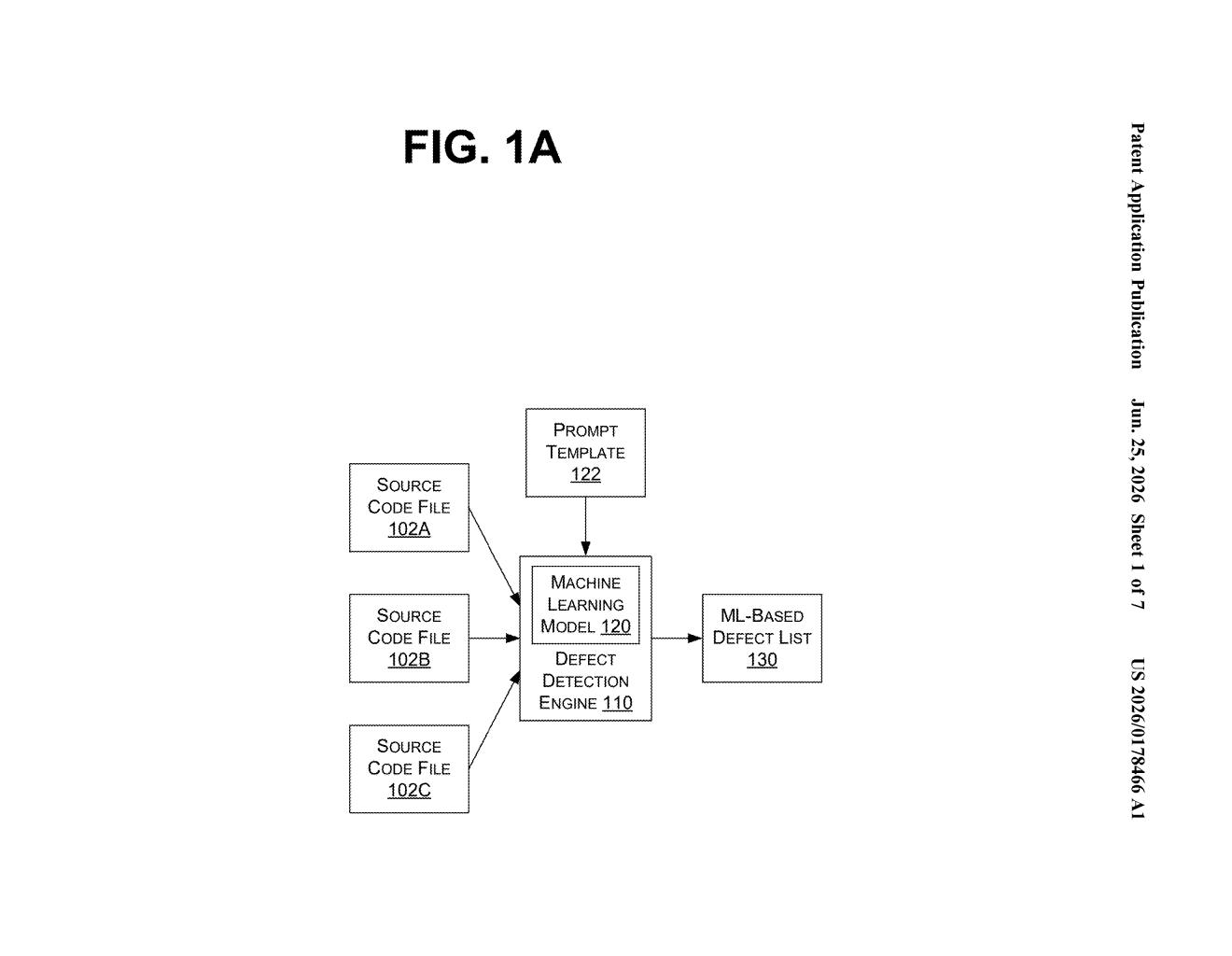
The system starts with one or more defect detection engines, which can include traditional rule-based linters (tools that scan code for known bad patterns) and machine-learning-based analyzers. Their results are merged into a single list of potential problems.
Then comes the key step: for each flagged defect, the system identifies the calling code, the other parts of the codebase that actually invoke the problematic function or procedure. It analyzes whether that calling code imposes any constraints (input restrictions, validation checks, access controls) that would reduce or eliminate the original risk.
Based on that analysis, each defect gets a revised severity score. A bug that looked critical in isolation might drop to low-severity once the system confirms the calling code already handles it safely. The fix applied is then calibrated to match that reduced severity, rather than defaulting to the most aggressive remediation.
- Supports combining multiple scanning tools into one unified defect list
- Traces inter-file and inter-module call relationships to find calling context
- Adjusts both the severity rating and the suggested fix to match the real-world risk level
What this means for developers drowning in false-positive alerts
Developer teams at large companies can receive thousands of automated code warnings per week, and a significant share turn out to be false positives or low-priority noise. When everything rings at the same volume, real problems get buried. A tool that re-evaluates bugs in context could meaningfully reduce that noise and help developers focus on the issues that actually need urgent attention.
For Microsoft specifically, this fits neatly into its GitHub and Azure DevOps ecosystems, where static analysis tools are already deeply embedded in developer workflows. A context-aware scanner that integrates with those platforms would give enterprise customers a concrete reason to rely on Microsoft's tooling over third-party alternatives.
This is unglamorous but genuinely useful work. The core insight, that a bug's danger depends on who's calling it, not just where it sits, is obvious in retrospect, but most production code scanners still don't do it well. If Microsoft ships this into GitHub's code-scanning features, it could reduce one of the most persistent complaints developers have about automated analysis tools.
There are more where this came from
We read every patent application Big Tech publishes and send you the ones worth knowing. Plain English, free, every week.
Want this weekly breakdown for a company we don't cover? Patentlyze Pro →