
Nvidia Patents Software That Applies Visual Effects at Low Resolution Then Scales Them Up
Nvidia's latest patent describes a way to apply expensive visual effects to a small, low-resolution image first, then use a neural network to convincingly carry those effects over to the full-size version. It's a shortcut that could make high-quality graphics much cheaper to produce.
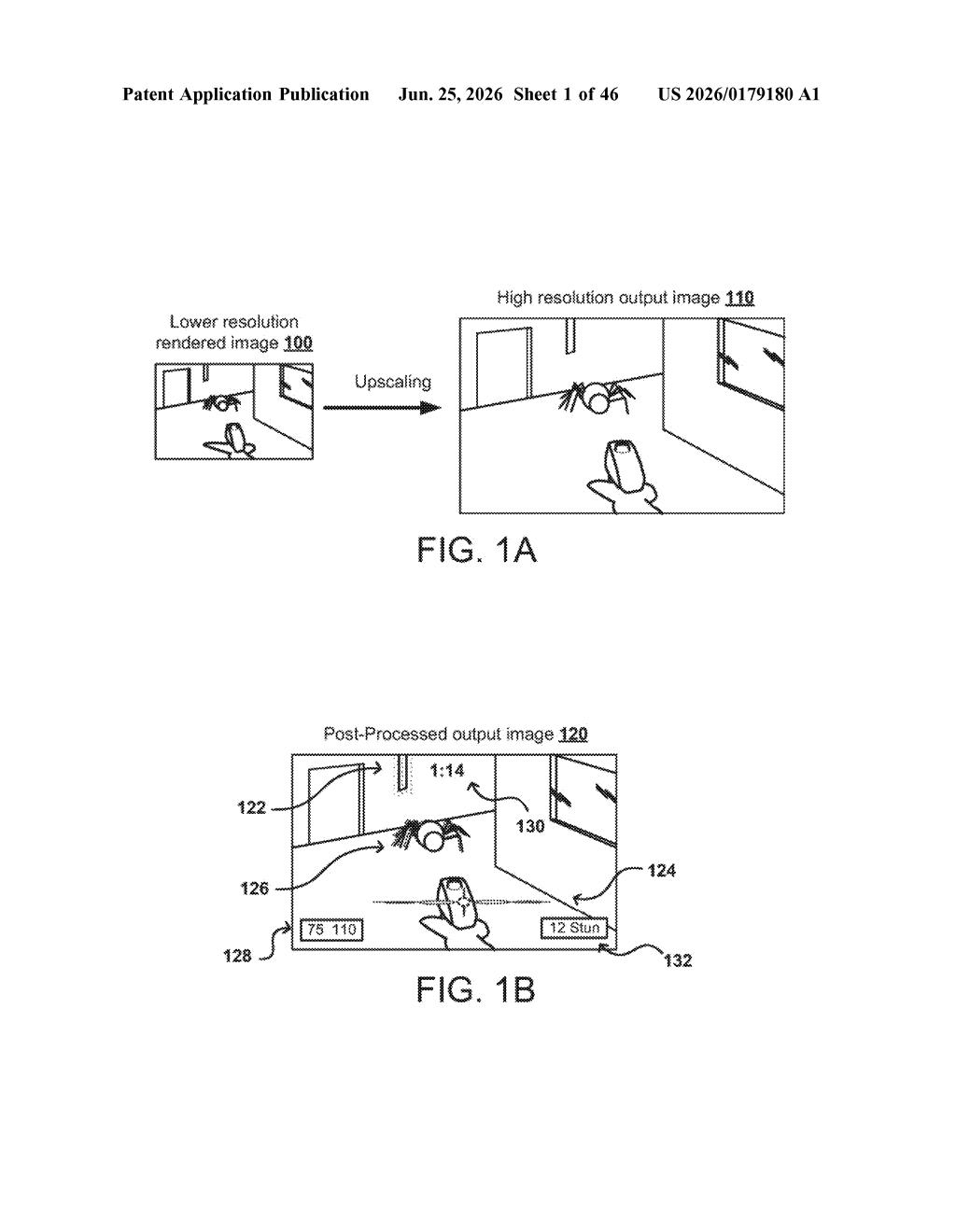
What Nvidia's low-resolution visual effects trick actually does
Imagine your TV trying to add a cinematic film-grain effect to every single pixel of a 4K image, sixty times per second. That's an enormous amount of work, and it gets slower the bigger the screen gets.
Nvidia's patent proposes doing the hard work on a much smaller version of the image first. A neural network applies the visual effect (think motion blur, depth-of-field, or stylized filters) to a tiny, low-resolution copy, then a second process stretches and reconstructs that result back up to full resolution, keeping the effect looking correct.
The idea is that you get the same visual result without paying the full cost of running the effect at the highest resolution. For you as a gamer or viewer, the image still looks like the effect was applied properly, but your hardware is doing a fraction of the work.
How the neural network approximates effects across resolutions
The patent describes a pipeline where visual effects are computed at a resolution below a defined threshold, and then a neural network approximates how those effects should look on the full-resolution image.
Key components of the system include:
- A low-resolution processing stage where one or more visual effects are applied. Working at reduced resolution cuts the computational load dramatically, since the number of pixels to process drops by a large factor.
- A neural network upscaling stage that takes the effect-applied low-res image and reconstructs a high-resolution version, preserving the look and feel of the effect rather than just naively stretching pixels.
- A resolution threshold that determines which path an image takes: images already at or above the threshold get the approximated treatment derived from the low-res pass, while smaller images get the effect applied directly.
The core insight is that many visual effects, especially those that blend or blur across pixels, don't need to be computed at full resolution to look convincing to the human eye. A well-trained neural network can learn the patterns and fill in the high-frequency detail that the low-resolution pass can't capture.
The first independent claim in this publication is listed as canceled, which suggests the patent may have been amended or reexamined before or during publication.
What this means for real-time graphics and game rendering
For real-time graphics, especially in games and interactive applications, this kind of trade-off is extremely valuable. GPUs spend a huge portion of their time on post-processing effects, and anything that reduces that workload without visibly degrading quality is something game developers would adopt quickly.
More broadly, this fits into Nvidia's existing work on techniques like DLSS (Deep Learning Super Sampling), which already uses neural networks to upscale game frames. A system that can also carry visual effects through that upscaling step would extend the approach further, potentially allowing higher-fidelity games to run on lower-end hardware, or letting current hardware push higher resolutions.
This is a technically sensible extension of ideas Nvidia has already shipped in products like DLSS. The canceled first claim is a flag worth watching, since it means the patent's original scope may have been narrowed, but the underlying technique is real and commercially relevant. If Nvidia has this working reliably, it's the kind of infrastructure that ends up inside every major game engine.
There are more where this came from
We read every patent application Big Tech publishes and send you the ones worth knowing. Plain English, free, every week.
Want this weekly breakdown for a company we don't cover? Patentlyze Pro →