
Samsung Patents a Home Automation System That Reads What You're Doing
Samsung is patenting a system that watches your actions and the state of your connected devices, then automatically adjusts everything around you based on pre-set rules. Think of it as a smart home that pays attention.
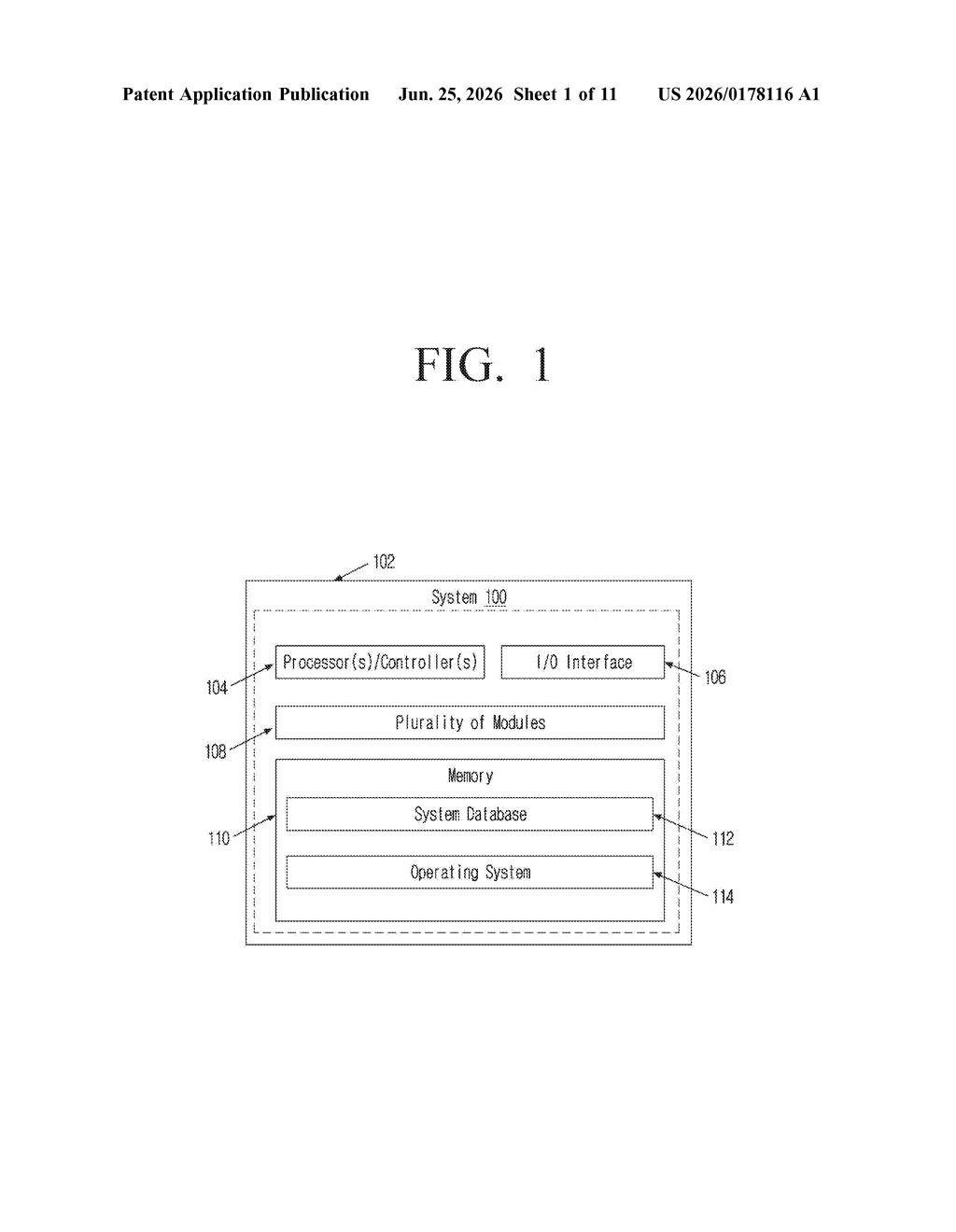
What Samsung's activity-aware IoT system actually does
Imagine you sit down on the couch with a bowl of popcorn and your phone. A truly automatic home would notice that, dim the lights, turn on the TV, and silence your doorbell without you pressing a single button. That's the core idea in this Samsung patent.
The system uses your IoT devices (smart lights, thermostats, sensors) and your personal devices (phone, tablet) to detect what you're currently doing and what's happening around you. It then checks a set of rules you've set up in advance and uses them to decide how each connected device should respond.
The user plays a key role here. You configure the rules yourself, telling the system things like "when I'm working from home and it's after 9 a.m., turn off the bedroom lights and set the thermostat to 70." The system handles the rest automatically every time those conditions are met.
How the association rules engine reads and reacts to context
The patent describes a three-step control loop running on a central electronic device (likely a hub or phone app).
- Context detection: IoT sensors and smart devices continuously report what the user is doing (sitting, sleeping, leaving the house) and what events are occurring in the environment (a door opening, motion in a room, time of day).
- State inventory: The system also tracks the current operating state of every connected device, so it knows what is already on, off, or in a standby mode before making any changes.
- Rule matching: A database of association rules (if-then logic the user has configured) is consulted. If the current action plus the current event matches a stored rule, the system sends commands to bring devices into the pre-configured state for that situation.
The phrase "user assisted" in the title is doing real work. This is not a fully autonomous AI that learns on its own. The rules are explicitly set by the user, which keeps the system predictable and private but also means someone has to configure it thoughtfully upfront.
The claim language is broad, covering any electronic device acting as the controller in any IoT environment, not just the home.
What this means for Samsung's SmartThings platform
Samsung's SmartThings platform already does basic device automation, but this patent suggests a more structured, context-layered approach where user actions and environmental events are treated as first-class inputs alongside simple time-based triggers. That would make automations feel less like scheduled alarms and more like a home that actually responds to your day.
For you as a Samsung device owner, the practical upside is fewer taps and fewer forgotten routines. The tradeoff is setup time: rule-based systems are only as useful as the rules someone bothers to write. The real competitive question is whether Samsung can make that configuration easy enough that average users actually do it, rather than leaving the feature buried in a settings menu.
This is a well-worn idea in smart home circles, and the core patent claim is written so broadly it covers almost any IoT control system. The interesting detail is the explicit emphasis on user-configured rules rather than machine learning, which positions it as a privacy-conscious alternative to systems that train on your behavior. Whether that distinction survives into an actual product is a different question.
There are more where this came from
We read every patent application Big Tech publishes and send you the ones worth knowing. Plain English, free, every week.
Want this weekly breakdown for a company we don't cover? Patentlyze Pro →