Qualcomm
Qualcomm · Sensor · Filed Jan 3, 2025 · USPTO published Jul 9, 2026 · Jul 9 release
Qualcomm Patent Uses Stars and Sky to Calibrate Sensors
Stars have been used for navigation for thousands of years. Qualcomm wants to use them to keep your device's sensors honest.
- Publication number
- US 2026/0195922 A1(US20260195922A1)
- Applicant
- QUALCOMM Incorporated
- Filed · Published
- Jan 3, 2025 · Jul 9, 2026
- Inventors
- Benjamin MESIC, Julia KABALAR, Kiran BANGALORE RAVI
- Status when we published
- Examiner raised objections; the company can respond
- Document
- 20 claims
- US classification
- 348/187
- Examiner
- LEE, MICHAEL (Art Unit 2422)
How Qualcomm uses stars and sun to fix sensor drift
Imagine your phone's camera or a car's sensor slowly drifts out of alignment over time, giving subtly wrong readings without you ever knowing. That kind of invisible error can affect everything from photo quality to navigation accuracy.
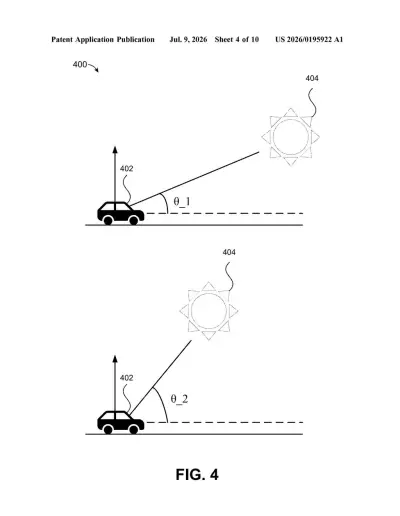
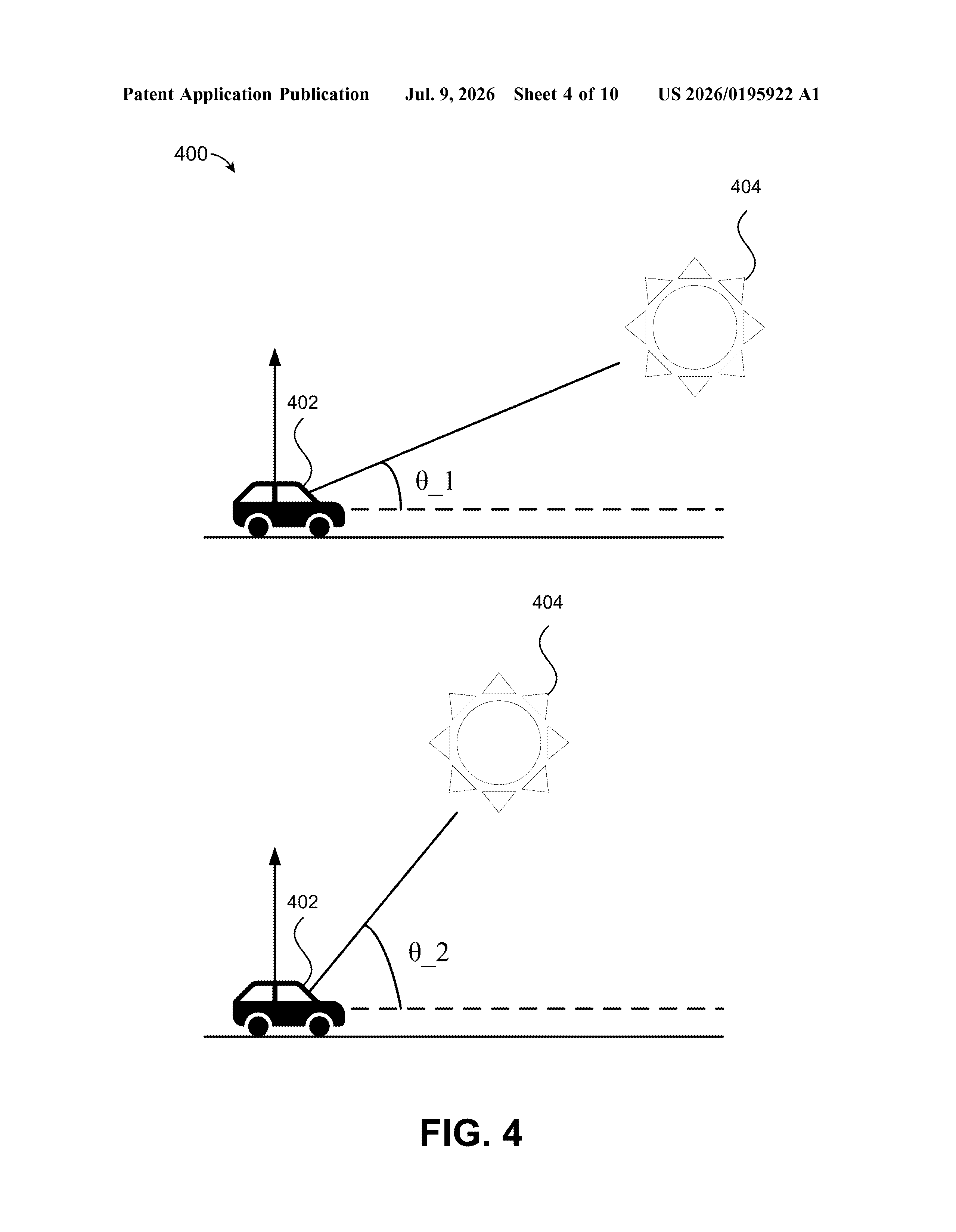
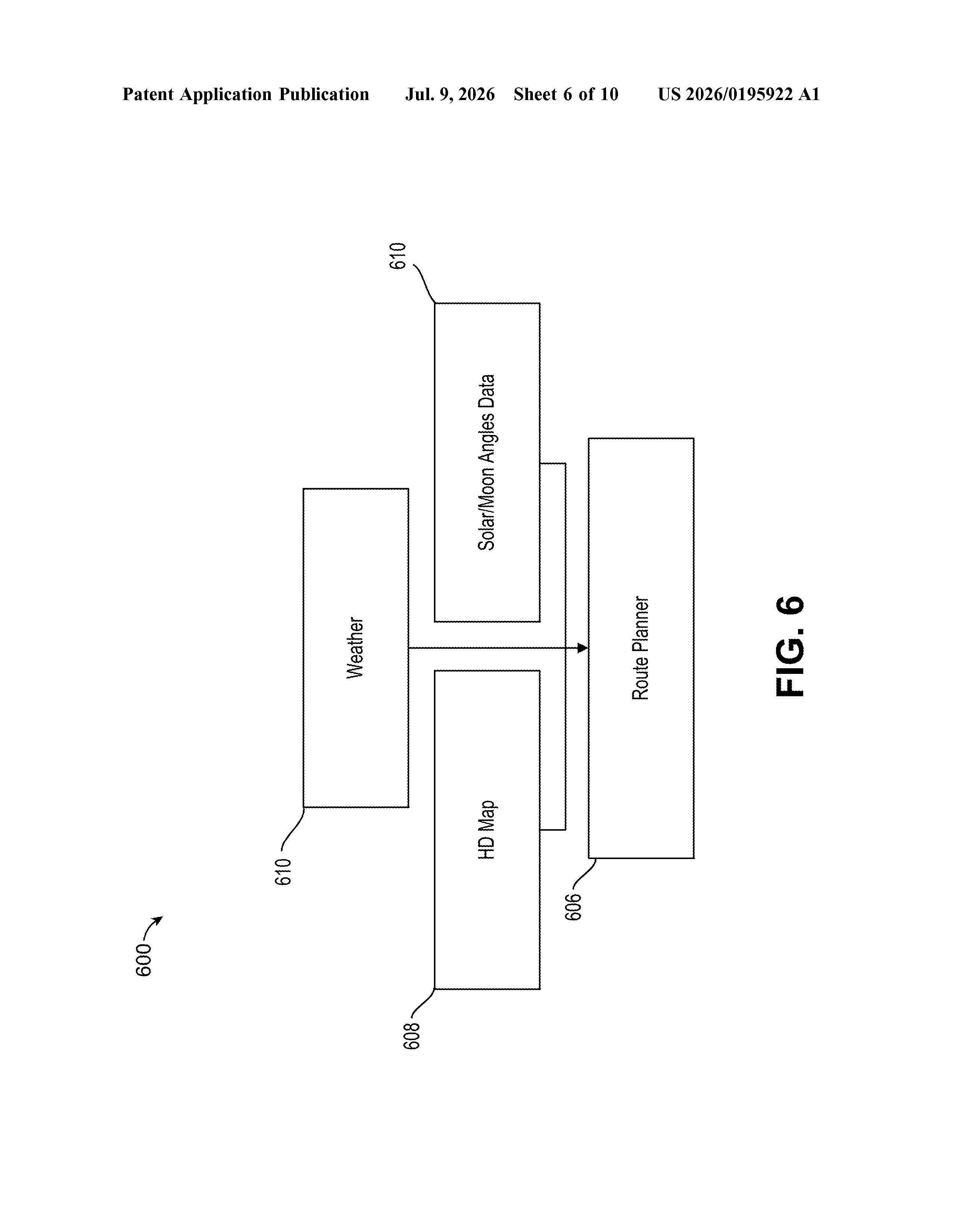
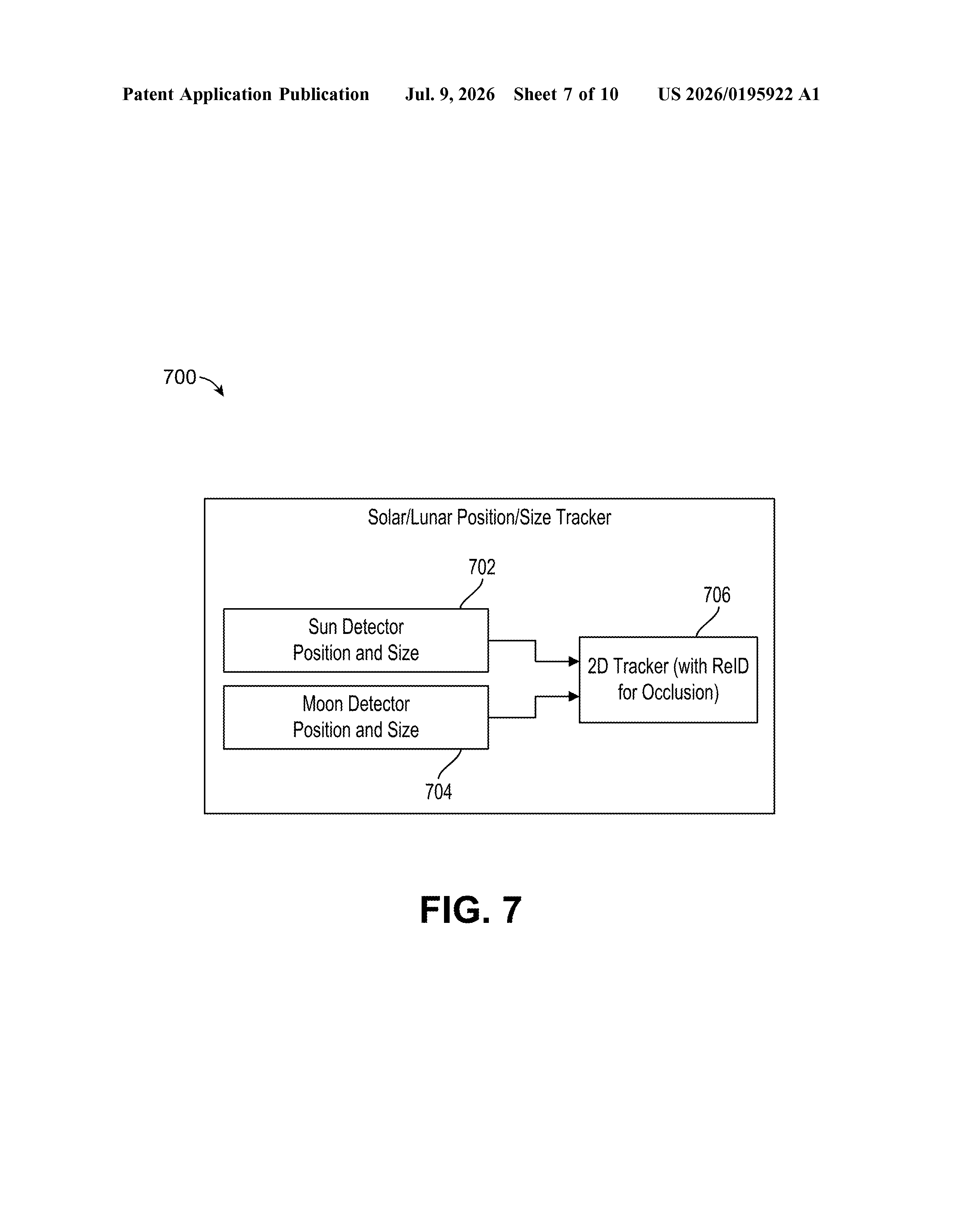
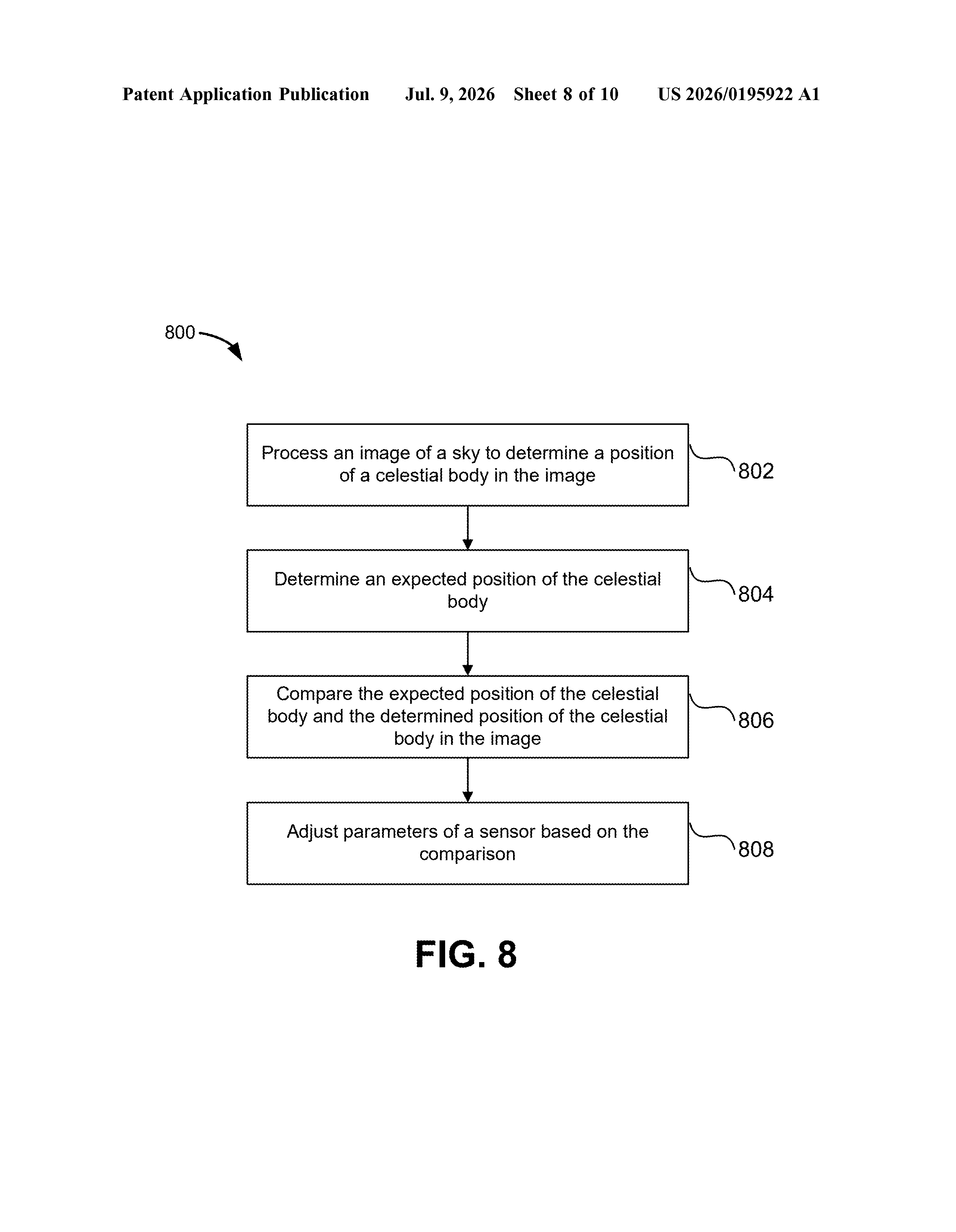
Qualcomm's patent describes a system that fixes this automatically by pointing a camera at the sky. The device takes an image of the sky, finds a recognizable celestial object like the sun, moon, or a bright star, and checks where that object actually appears in the photo versus where it should appear based on the time and location. If there's a gap, the system uses that gap to correct the sensor's settings.
The clever part is that celestial bodies are essentially perfect reference points. They move in completely predictable paths, so any difference between "expected" and "observed" position is almost certainly sensor error, not a surprise from the sky.
How the sky-image comparison adjusts sensor parameters
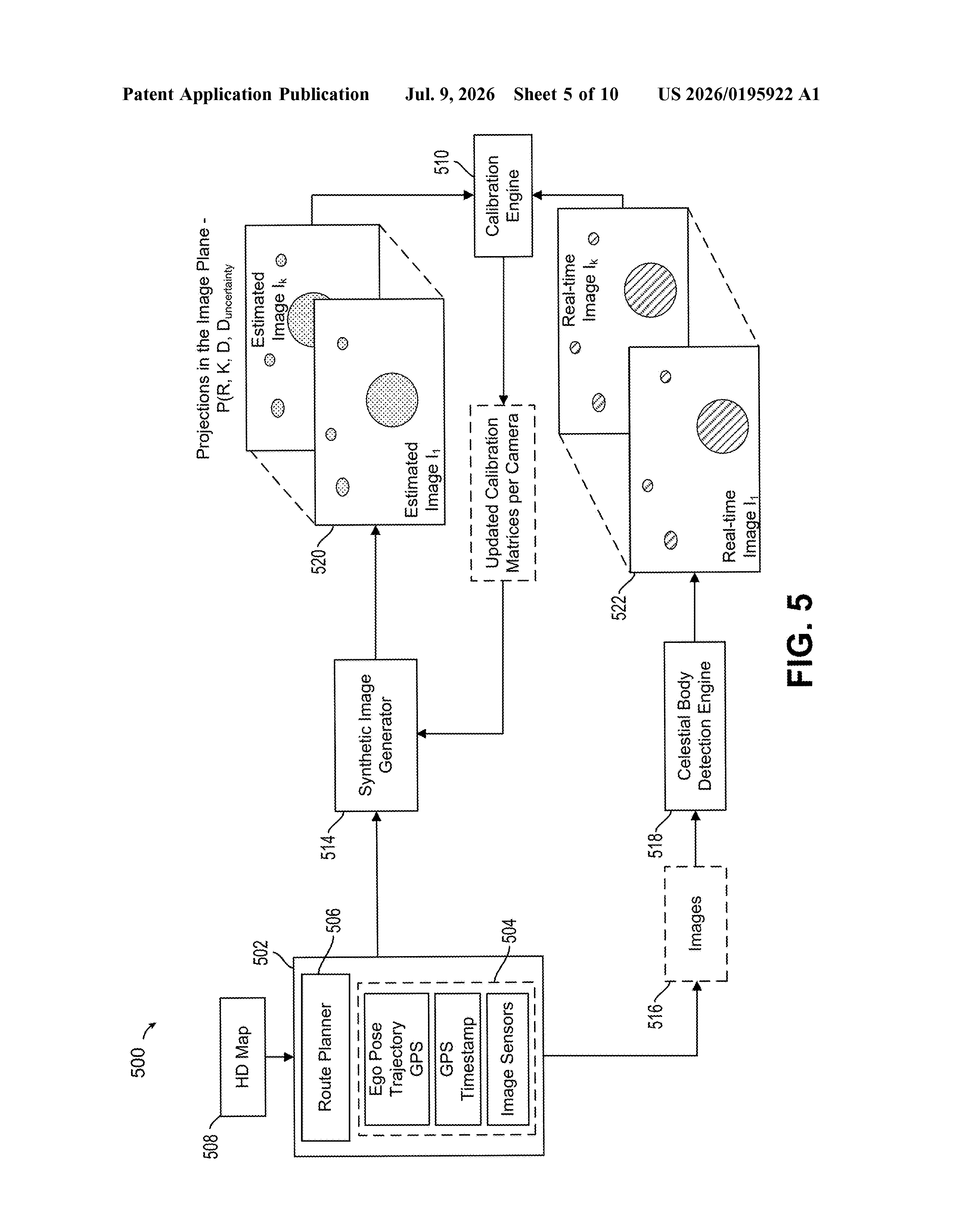
The patent describes a device (a phone, camera, drone, or car-mounted system) that runs a calibration loop using sky imagery.
- Image capture: The device takes a photo or video frame of the sky.
- Celestial body detection: The processor locates a celestial body in the image, identifying its pixel position in the frame.
- Expected position calculation: Using known astronomy data, the time of day, and the device's GPS coordinates, the system calculates exactly where that object should appear from that vantage point at that moment.
- Error comparison: The gap between the observed and expected positions is measured. That gap is the sensor error.
- Parameter adjustment: The sensor's calibration parameters are updated to correct for the measured offset.
The system works because celestial object positions are mathematically precise and publicly known centuries in advance. Unlike a printed calibration target (which can be lost or damaged), the sky is always available. The patent doesn't specify a single sensor type, meaning it could apply to cameras, inertial measurement units (chips that track tilt and orientation), or other imaging-adjacent sensors.
What this means for phones, drones, and self-driving cars
Sensor calibration is one of those problems that sounds trivial until it isn't. In a smartphone camera, a drifted sensor parameter might mean subtly skewed photos. In a drone or self-driving car, the same drift could mean a LiDAR or camera misreporting where objects are in space. Qualcomm makes chips for all of those platforms, so this patent covers a lot of ground.
The practical appeal here is that sky-based calibration requires no special equipment and no factory trip. A device could theoretically recalibrate itself in the field any time it has a clear view of the sky and a known position, making this useful for devices that operate for long periods in harsh or remote conditions.
Source: US 2026/0195922 A1 at the USPTO (PDF). Full patent text and figures are in the official publication.
Get our take in your Top Stories
Liked this breakdown? Add Patentlyze as a preferred source on Google, and our plain-English take shows up more often in your Top Stories the next time Qualcomm patent news breaks.
Add Patentlyze on Google
One click.
There are more where this came from
We read the new patents from Big Tech, carmakers and more and send you the ones worth knowing. Plain English, free, every week.
The drawings · 10 sheets
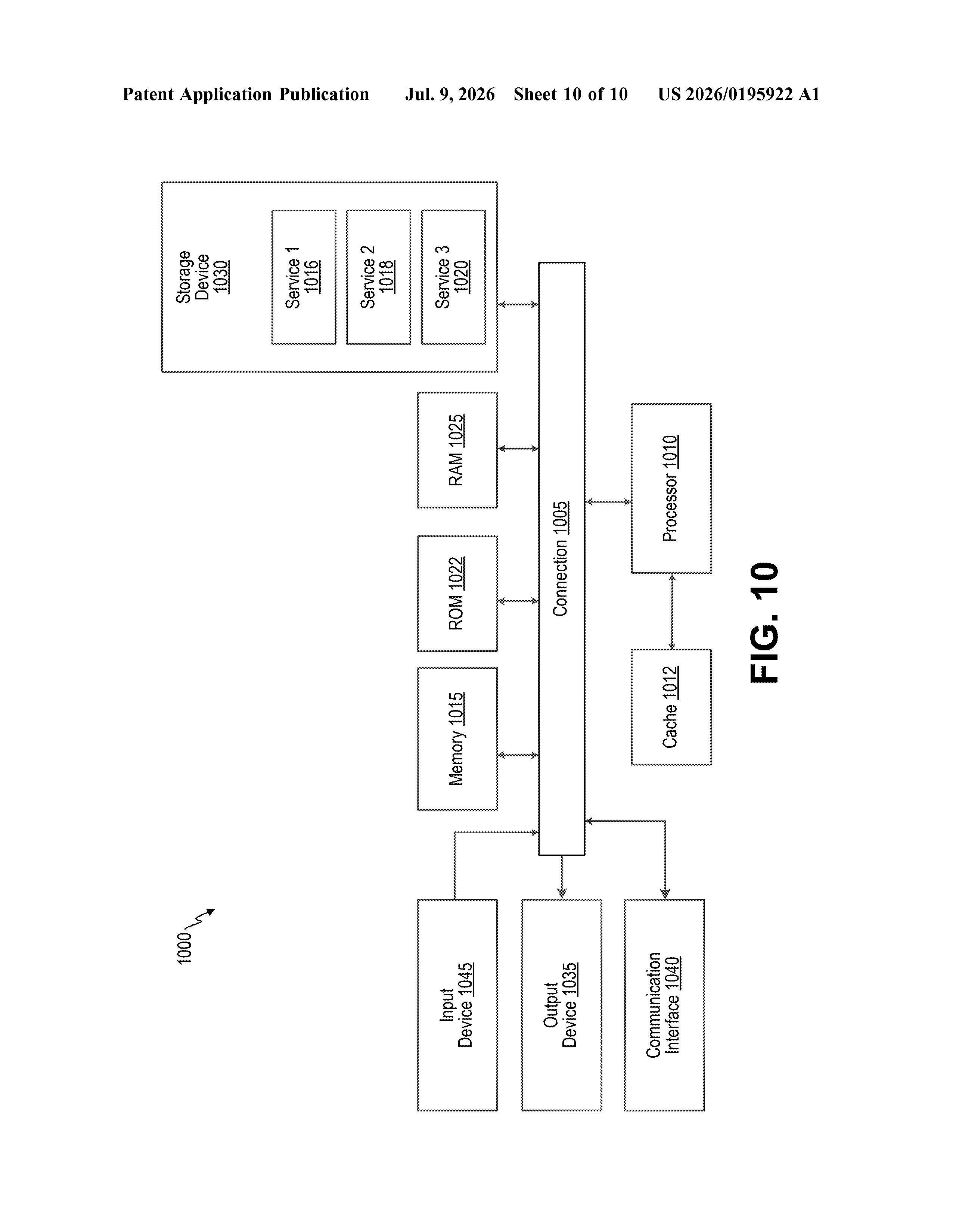
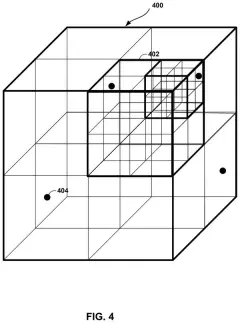
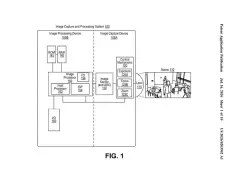
10 drawing sheets from US 2026/0195922 A1 · click any drawing to enlarge
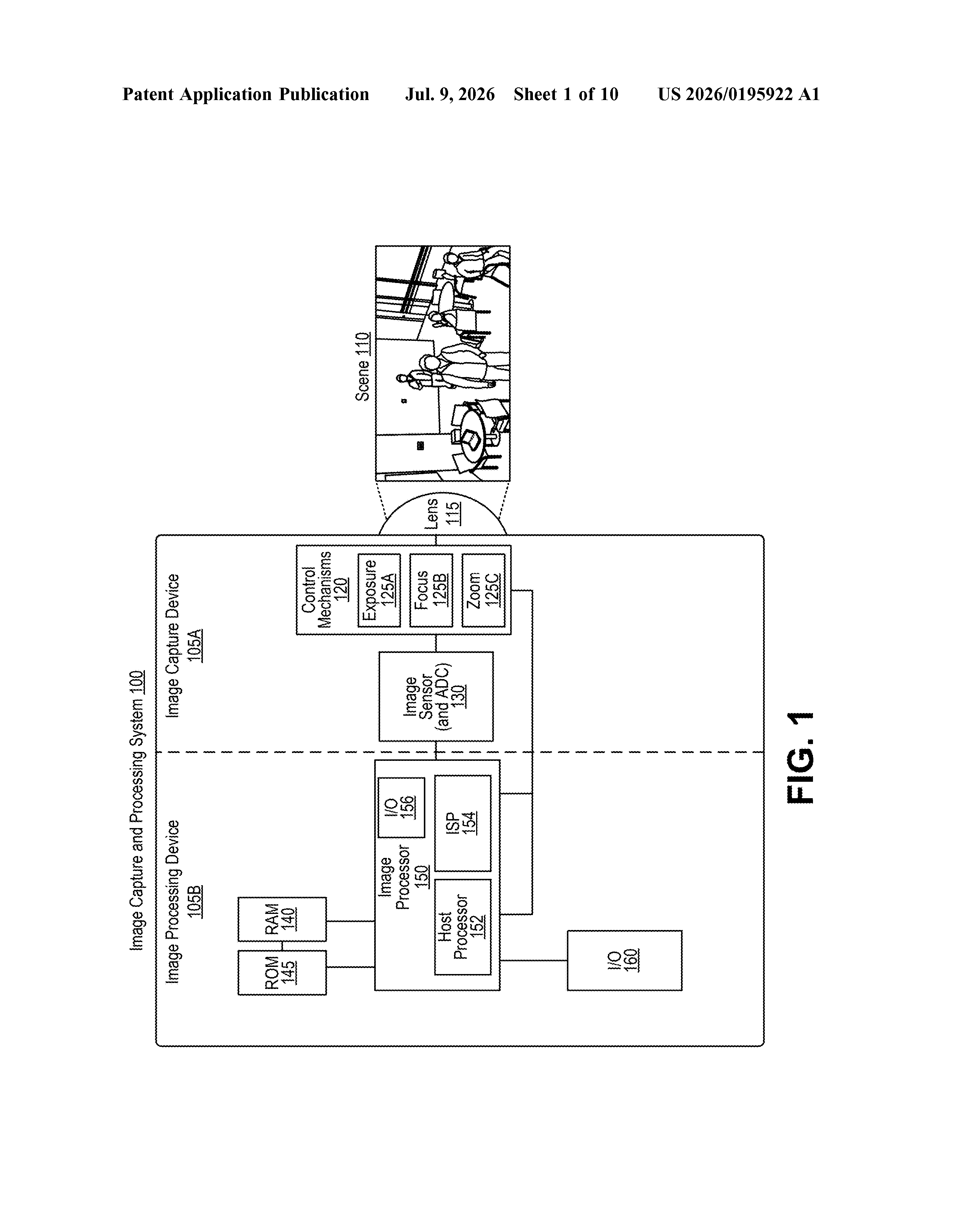
Show the other 2 sheets
More from Qualcomm
All 637 Qualcomm patents →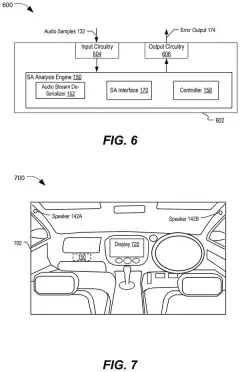
More in Hardware
All 2,375 Hardware patents →
Waymo (Google)
Waymo Patents a Hybrid LiDAR System That Untangles Speed and Distance Readings
Samsung
Samsung Patents a System That Recalibrates Your Phone's Altitude Sensor After You Drop It
Google
Finger Cuff Patent Maps Artery Pressure for Accurate BP Readings
Sony