
Samsung Patents a Fix That Keeps Colors True When Streaming Compressed Video
Color and brightness are encoded separately in most modern video formats, which means color can drift when a video is compressed hard. Samsung's new patent describes a decoding method that borrows brightness correction signals to sharpen color prediction before the final image is assembled.
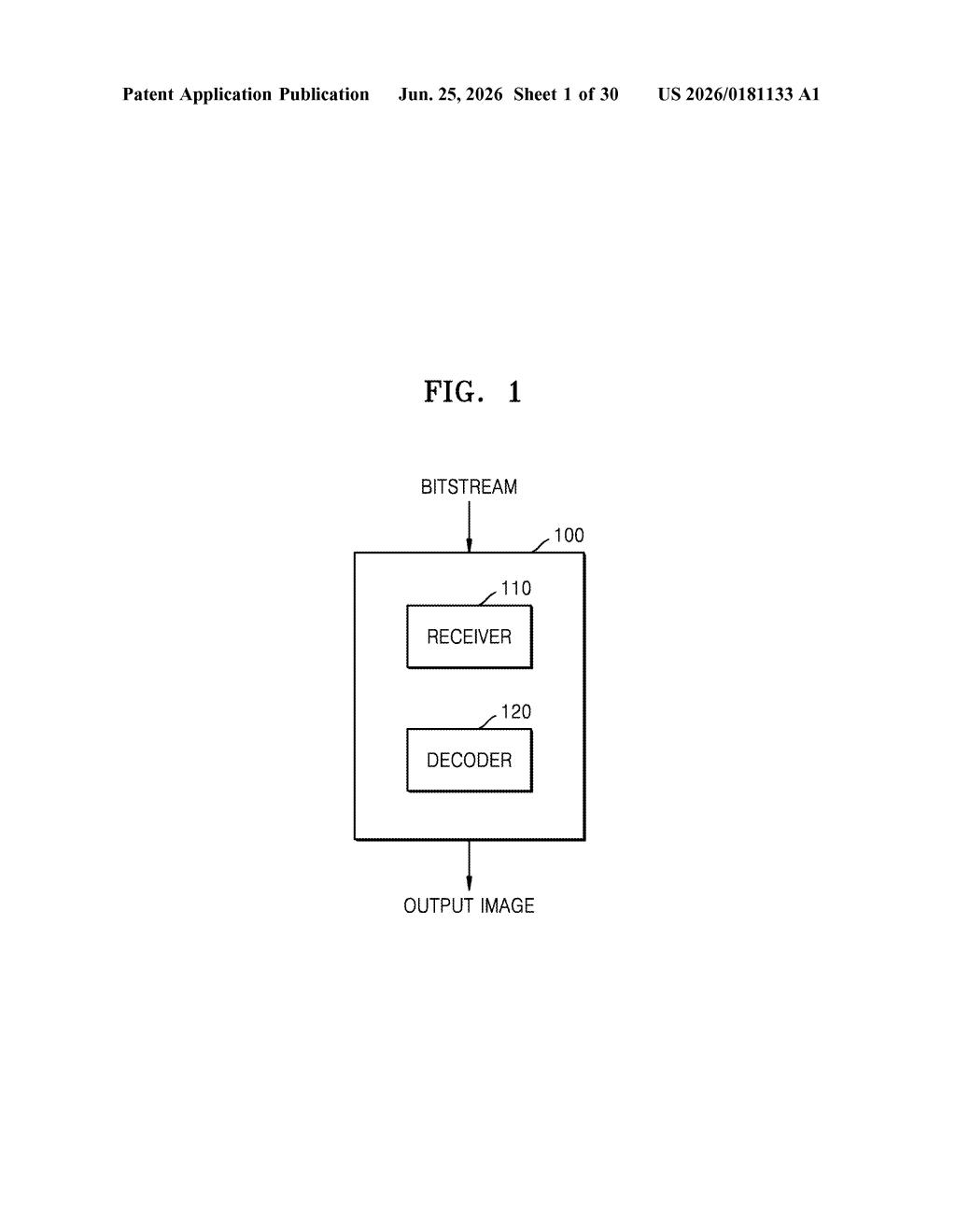
How Samsung's decoder borrows brightness to predict color
When a video is compressed and then played back, the decoder has to reconstruct every pixel from a compact stream of data. Modern video formats handle brightness (called luma) and color (called chroma) as separate channels, which saves space but can cause color to look slightly off, especially in dark or high-contrast scenes.
Samsung's patent describes a smarter handoff between those two channels during decoding. Instead of predicting color independently, the decoder uses leftover brightness correction data as an extra clue to sharpen its color estimate. Think of it like using a pencil sketch to guide the coloring-in stage: the sketch already knows where the edges are, so the color fill ends up more accurate.
The result is that the decoder can reconstruct colors more precisely without needing the encoder to send extra data. That matters most for high-compression scenarios, like streaming video at lower bitrates, where every saved bit counts and color fidelity is usually the first casualty.
How the filter links luma residuals to chroma prediction
The patent describes a chroma prediction method used during video decoding. Chroma refers to the color components of an image (typically the Cb and Cr channels in formats like YCbCr), while luma refers to brightness.
The core idea is a cross-component filter: a mathematical relationship derived from reference samples of both the luma and chroma channels in a neighboring area of the frame. This filter takes luma residual samples (the difference between a predicted brightness value and the actual one, already present in the bitstream) and converts them into chroma prediction residual samples, essentially an estimate of how much the color prediction needs to be adjusted.
Those chroma prediction residuals are then applied to reference chroma samples to produce enhanced chroma prediction samples. The decoder still fetches separate chroma residual samples from the bitstream, but because the prediction is already closer to correct, those residuals can be smaller and therefore cheaper to encode.
The process runs in parallel for both color channels (first and second chroma, e.g., Cb and Cr), and the final pixel color is reconstructed by combining the enhanced prediction with the dedicated chroma residual. This is an extension of an existing technique called Cross-Component Linear Model (CCLM) prediction, pushing it further by incorporating residual-domain information rather than just sample-domain statistics.
What this means for high-efficiency video compression
Video compression standards like VVC (Versatile Video Coding) and its successors are in active development, and efficiency gains in chroma prediction directly translate to better picture quality at the same file size, or the same quality at smaller files. For streaming services, that means lower bandwidth costs. For users, it means less color banding and more accurate skin tones at the bitrates your internet connection actually delivers.
Samsung is a major contributor to video codec standardization bodies, and patents like this one are typically filed to protect specific algorithmic contributions submitted to those standards processes. Whether this exact method ends up in a shipping codec standard, it signals where Samsung's codec research team is focusing: tighter integration between luma and chroma channels at the residual level, which is one of the remaining frontiers in compression efficiency.
This is a narrow, technical codec patent that will matter almost exclusively to engineers working on video compression standards. It's not boring for that audience, since cross-component residual prediction is a genuinely active research area, but for anyone outside video codec development it's deep infrastructure work with no visible consumer face.
There are more where this came from
We read every patent application Big Tech publishes and send you the ones worth knowing. Plain English, free, every week.
Want this weekly breakdown for a company we don't cover? Patentlyze Pro →