
New Patent Fights Fading Screen Colors by Measuring Live Pixels
OLED screens get dimmer and uneven over time as individual pixels wear out at different rates. Samsung's new patent describes a display that measures its own pixels in real time and adjusts the image to compensate before you ever notice a problem.
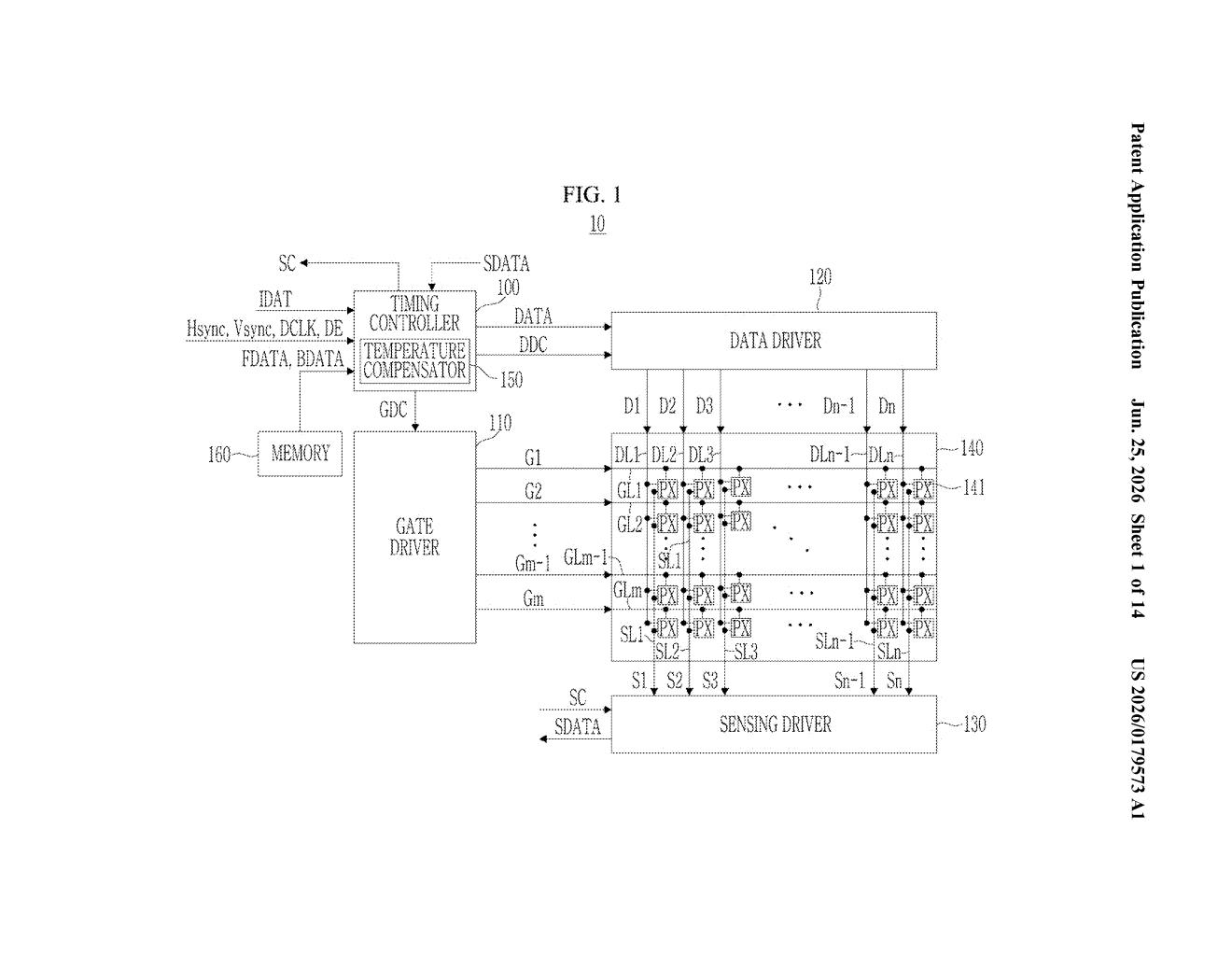
What Samsung's live pixel-correction system actually does
Imagine watching the same app on your phone every day. Over months, the pixels showing that app's interface wear out faster than the rest of the screen, leaving faint ghost images or uneven brightness. That's a well-known OLED problem, and it gets worse the longer you own the device.
Samsung's patent describes a display that fights this from day one. While your screen is showing one frame of video or graphics, it's simultaneously measuring the electrical current flowing through each pixel. Those measurements tell the system how much each pixel has aged, and the next frame of image data is adjusted to compensate before it ever reaches your eyes.
The clever part is that the system blends two sources of information: a one-time factory measurement taken when the screen is brand new, and the live measurements it's gathering right now. That combination lets it correct for both predictable aging patterns and whatever is actually happening to your specific screen at this moment.
How the timing controller blends live and stored sensor data
The patent covers a display system with three coordinated components working together on every frame.
The data driver takes incoming image signals and converts them into voltages that light up the pixels. It handles one frame's worth of image data at a time.
The sensing driver monitors the electrical current flowing through those pixels while they're lit. Because an aged or degraded pixel draws current differently than a healthy one, this current reading is a direct window into each pixel's condition.
The timing controller is where the correction happens. It takes the image data for the next frame and adjusts it using at least one of two data sources:
- Initial sensing data: a baseline measurement of pixel health taken when the display was first powered on
- Live sensing data: the current reading just captured from the frame being displayed right now
The system chooses how much to rely on each source based on how long the display has been running. Early in the device's life, factory baseline data is most reliable. After heavy use, the live readings carry more weight. This time-aware blending is what distinguishes it from simpler correction schemes that apply a fixed adjustment regardless of the screen's actual condition.
What this means for OLED longevity on phones and TVs
For anyone who uses an OLED phone, tablet, or TV for more than a year or two, screen aging is a real concern. Current devices already use some pixel compensation, but systems that rely only on factory measurements become less accurate as the display changes. A scheme that continuously updates its model of each pixel's health should, in theory, stay accurate far longer.
For Samsung, this matters strategically. The company makes OLED panels for its own Galaxy phones and for Apple's iPhones, among others. Better aging compensation is a concrete spec that panel buyers care about, and it could extend the practical lifespan of expensive displays in phones, laptops, and large-format screens alike.
This is genuinely useful engineering on a problem that frustrates real users. OLED burn-in and brightness drift aren't hypothetical complaints, and a correction system that updates itself in real time based on what the screen is actually doing is a meaningful step up from static factory calibration. Whether the performance gain in practice is dramatic or incremental depends entirely on implementation, but the approach is sound.
There are more where this came from
We read every patent application Big Tech publishes and send you the ones worth knowing. Plain English, free, every week.
Want this weekly breakdown for a company we don't cover? Patentlyze Pro →