
Samsung Patents an AI System That Turns Off Spare Antennas to Save Battery
Your phone is almost certainly running more antennas than it needs right now, and that extra radio hardware drains your battery. Samsung's new patent describes an AI that watches your data traffic and shuts off the antennas you aren't using.
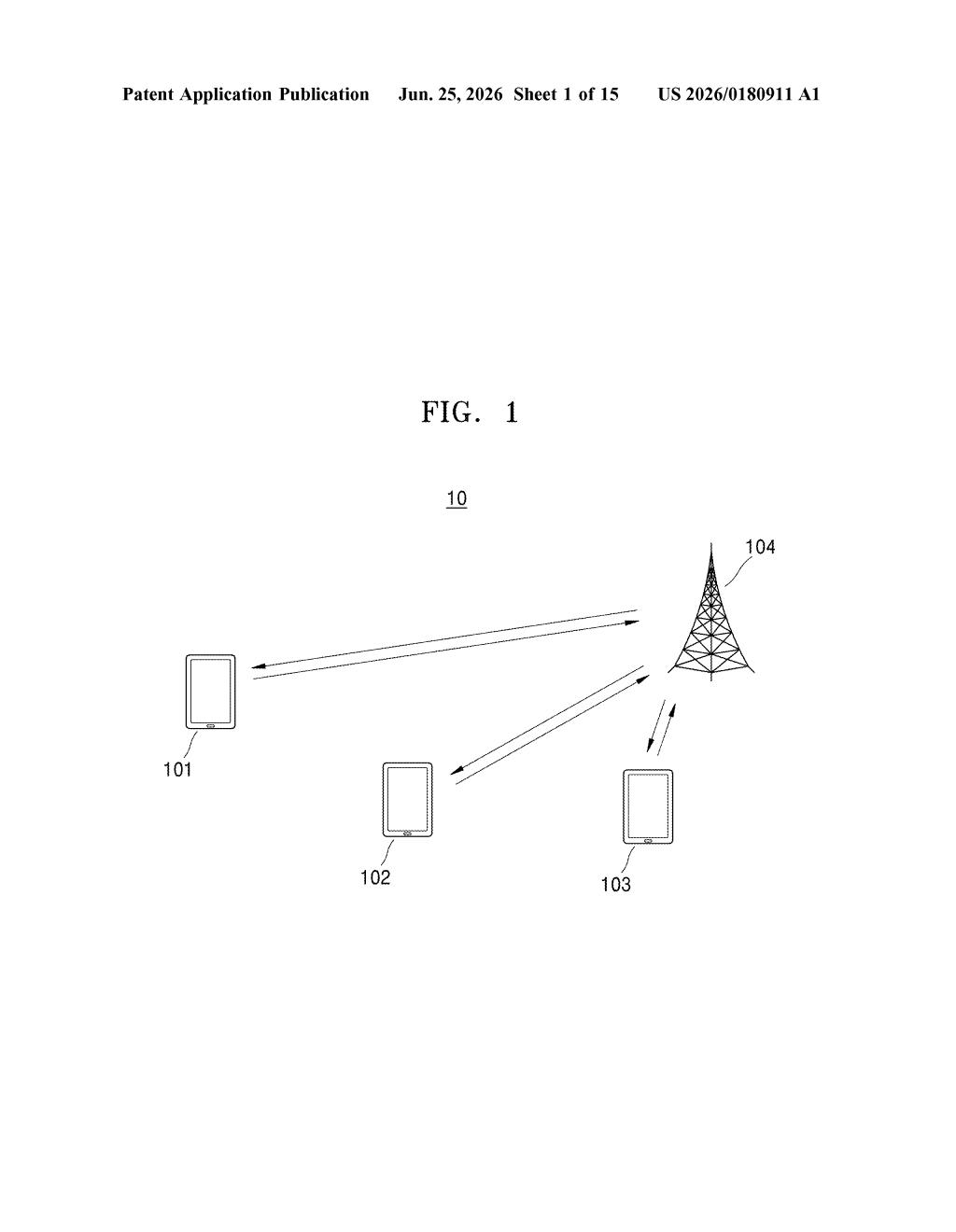
How Samsung's antenna-trimming idea saves phone battery
Imagine your phone as a restaurant kitchen with four burners always running, even when you're only reheating soup. Most of the energy is wasted. Modern smartphones work a bit like that: they keep multiple antennas powered on to catch incoming data, even when you're just loading a single webpage or receiving a small notification.
Samsung's patent describes a system where an AI model watches the actual data coming from the cell tower, figures out the minimum number of antennas your phone needs to handle that traffic cleanly, and then turns the rest off. When a big download arrives, more antennas wake up. When traffic is light, fewer stay active.
The idea is that your phone almost never needs its full antenna array for everyday tasks, and every antenna you can power down translates directly into a longer battery charge. It's a small change in how the phone makes decisions, but it could add meaningful time between charges.
How the AI picks the right antenna count in real time
The patent describes a phone (called user equipment in wireless standards language) that actively manages how many of its receive antennas are turned on at any given moment.
Here's the core loop:
- The phone receives a message from a nearby cell tower (base station) that contains traffic information, essentially a signal about how much data is heading its way.
- An AI model inside the processor takes that traffic information and calculates a required spectral efficiency (a measure of how much data can be squeezed through the wireless channel per unit of bandwidth).
- The processor then checks that figure against a stored lookup table, called a spectral efficiency set, which maps different efficiency levels to different antenna counts.
- Based on the comparison, the phone picks the smallest number of antennas that can still handle the incoming data without degrading quality.
The key insight is that spectral efficiency requirements vary enormously depending on what you're doing. Streaming 4K video demands more than reading an email. By using an AI model to predict those needs from the tower's own traffic signals, the phone can make faster and more accurate decisions than a simple rule-based system could manage.
What this means for 5G phone battery life
Battery life is consistently one of the top complaints about smartphones, and radio hardware is one of the biggest power draws on any device. Most power-saving tricks target the screen or the processor, but the wireless stack is comparatively underexplored in consumer devices. A system that dynamically scales antenna activity based on real traffic predictions could shave meaningful time off daily charging needs without the user doing anything differently.
For Samsung, which makes both the phones and many of the chips inside them, this kind of tightly integrated AI-and-radio approach is a natural area to pursue. If it works as described, you would simply notice your phone lasts longer, with no trade-off in download speed or call quality during normal use.
This is a practical, unsexy patent that tackles a real problem. Antenna power management is genuinely hard to optimize, and using an AI model to predict traffic load rather than react to it is a sensible approach. It won't make headlines at a product launch, but if Samsung ships something close to this, it's exactly the kind of engineering that shows up in battery benchmark comparisons.
There are more where this came from
We read every patent application Big Tech publishes and send you the ones worth knowing. Plain English, free, every week.
Want this weekly breakdown for a company we don't cover? Patentlyze Pro →