
Samsung Patents Technology That Splits Computing Power Between 5G Network Tasks Automatically
Running a 5G cell tower on general-purpose server hardware is harder than it sounds. Samsung wants to give each software layer exactly the CPU budget it asks for, rather than letting them fight over resources.
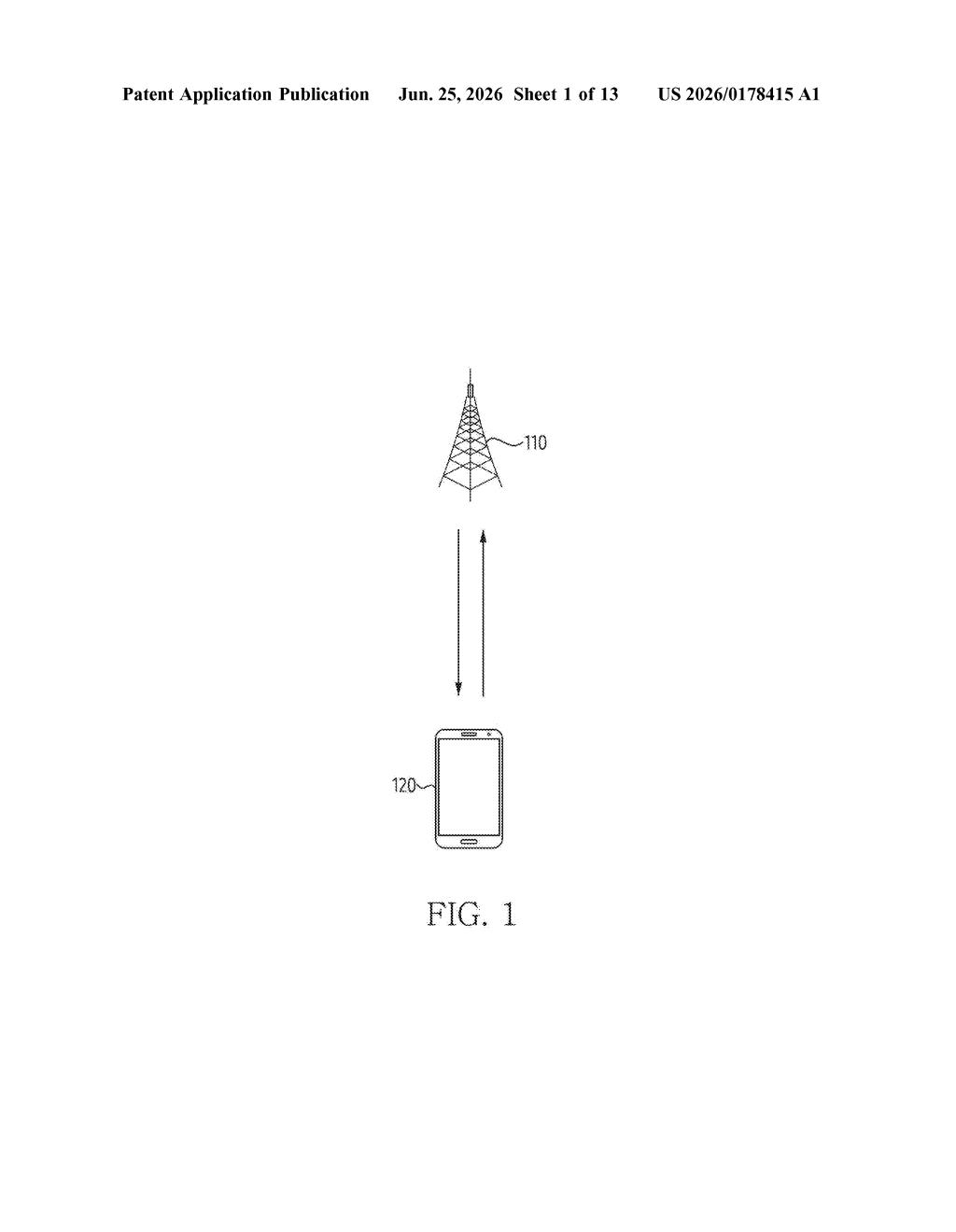
How Samsung's base station software divides up processing power
Imagine a busy restaurant kitchen where the grill station and the prep station both need the same chef at the same time. Without a clear schedule, service falls apart. A 5G base station running on standard server hardware faces a similar problem: multiple software programs all need processor time, and nobody has told the server how to divide it up fairly.
Samsung's patent describes a coordinator that collects resource requests from each software layer and then carves up the available CPU power accordingly. One program handles the low-level radio signals (think of it as translating between the tower's antenna and the rest of the network), and another manages which devices get to send data and when. Each program tells the coordinator what it needs, and the coordinator reserves that exact slice.
The practical upside is predictability. Instead of one layer accidentally starving the other of processing time, every function gets a guaranteed portion of the CPU pool, which keeps the cell running smoothly even under heavy traffic.
How PHY and MAC functions request and claim CPU slices
The patent describes a network node (a software-defined base station, sometimes called an O-RAN distributed unit) that coordinates CPU allocation across at least two distinct software applications.
The first application handles PHY (physical layer) functions, which involve encoding and decoding the actual radio signals traveling between the tower and your phone. The second handles MAC (medium access control) functions, which schedule which devices transmit, when, and on which frequency channels. Both layers have different and time-sensitive CPU demands.
The system works like this:
- Each application sends a message to a central coordinator stating how much CPU it requires for a given cell.
- The coordinator reads both requests and carves the shared CPU resource pool into two reserved portions, one for PHY work and one for MAC work.
- Those portions are then exclusively used by their respective applications, preventing one from borrowing the other's reserved capacity.
This is essentially a demand-driven reservation model rather than a static assignment, meaning if the PHY layer's needs change over time, it can send an updated request and the allocation can shift accordingly.
What this means for cloud-based 5G network infrastructure
The push to run 5G base station software on off-the-shelf server hardware (known as Open RAN or O-RAN) is a major trend in telecom. The appeal is cost and flexibility. The risk is that general-purpose servers weren't designed with strict real-time radio timing in mind, so resource contention between software layers can cause dropped packets or increased latency that users feel as slower speeds or dropped calls.
This patent addresses that risk directly. For carriers deploying virtualized base stations in data centers or at the edge, reliable CPU partitioning is less glamorous than new antenna technology but arguably more important to whether the system actually works in production.
This is infrastructure plumbing, not a consumer-facing feature, and it won't make headlines at a product launch. But for Samsung's network equipment business, where it competes against Ericsson, Nokia, and a wave of O-RAN upstarts, this kind of resource-management detail is exactly where reliability battles are won. It's a narrow but genuinely useful piece of systems engineering.
There are more where this came from
We read every patent application Big Tech publishes and send you the ones worth knowing. Plain English, free, every week.
Want this weekly breakdown for a company we don't cover? Patentlyze Pro →