
Sony Patent Aims to Conceal the Visible Grid in Glasses-Free 3D Displays
Glasses-free 3D screens have always had a hidden flaw: the physical grid that creates the 3D effect is often visible to the viewer, breaking the illusion. Sony's new patent takes aim at that problem using the known limits of human eyesight.
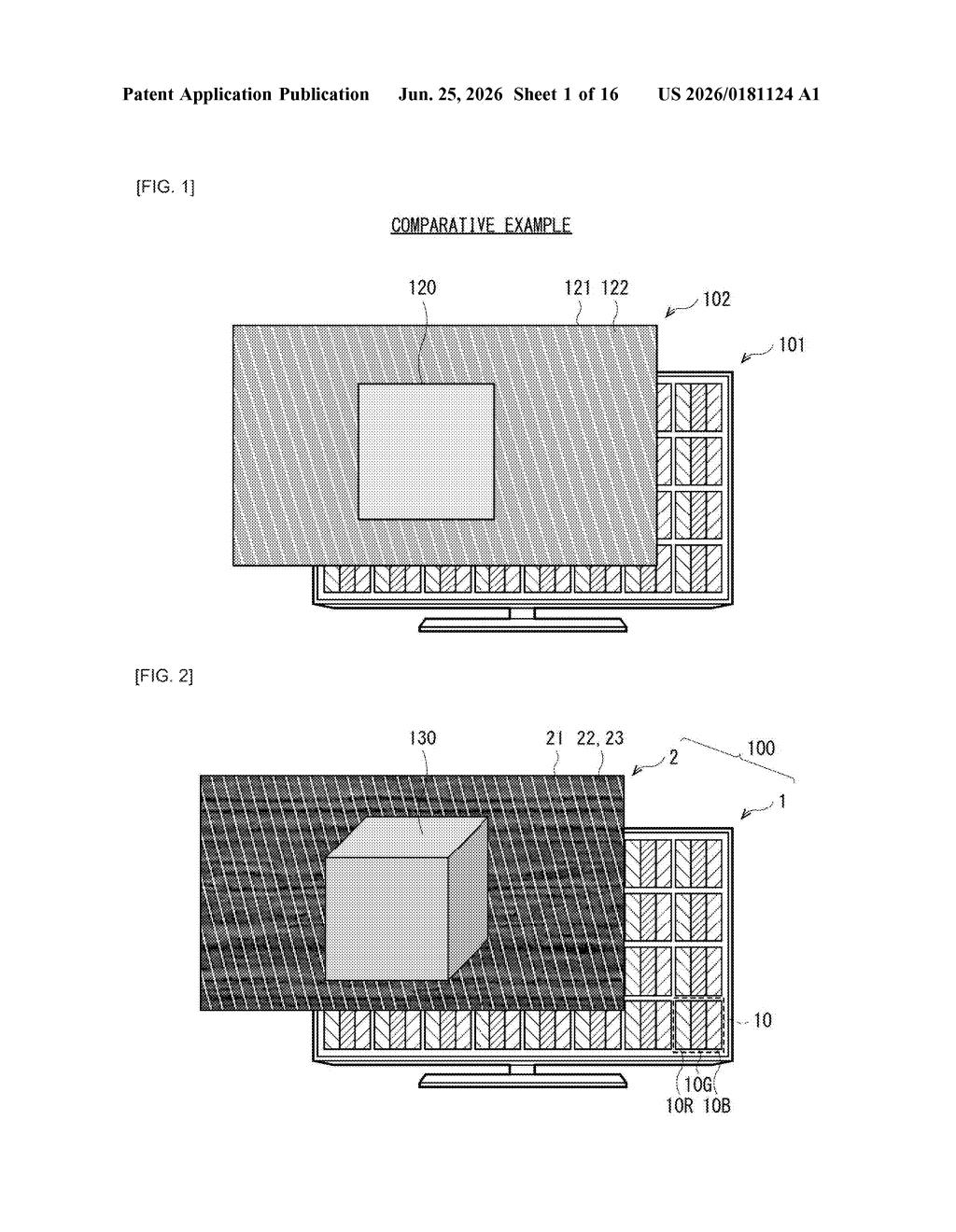
What Sony's vision-matched barrier pattern actually does
Imagine watching a 3D movie without glasses on a screen that has a physical slotted barrier sitting in front of it, like a very fine venetian blind. That barrier is what tricks each of your eyes into seeing a slightly different image, creating the 3D effect. The catch is that the barrier itself can become distractingly visible, like a screen door over your content.
Sony's patent describes a way to decorate the surface of that barrier with a visual pattern that your eyes are specifically tuned not to notice. Human vision has a well-documented sweet spot: we're good at detecting some patterns but nearly blind to others, depending on how finely or coarsely they're spaced. Sony's idea is to pick a pattern spacing that falls outside the zone where your eyes are sharpest.
The result, in theory, is a glasses-free 3D display where the barrier blends away rather than calling attention to itself. The barrier still does its optical job, but it stops being a thing you can see.
How the contrast sensitivity function sets the pattern frequency
The display system described in the patent has two main components: a display panel showing multiple slightly different versions of an image (called parallax images), and a parallax barrier, a physical layer with a series of openings and solid sections placed directly in front of the panel.
The openings in the barrier act like narrow windows. Depending on where you stand, your left and right eyes each peek through different openings, each seeing a different parallax image. Your brain combines those two images into a perception of depth, no glasses required.
The novel part of this patent is what Sony proposes putting on the surface of the solid sections of the barrier. Instead of leaving them plain (which can look like a visible grid or mesh), Sony coats or prints them with a decorative pattern. The critical detail is how that pattern is sized.
The sizing is governed by the contrast sensitivity function (CSF), a well-established model of how sensitive human eyes are to patterns at different spatial scales (essentially, how finely or coarsely striped something is). By setting the pattern's spatial frequency within a range the CSF identifies as visible but below peak sensitivity, Sony aims to make the barrier's surface appear integrated and intentional rather than distracting, while keeping the 3D optical geometry intact.
What this means for glasses-free 3D display quality
Parallax barrier displays are one of the main approaches to glasses-free 3D, and they've appeared in everything from Nintendo's 3DS handheld to experimental signage and medical imaging screens. The persistent criticism is that the barrier creates a visible artifact, especially in bright environments or at non-ideal viewing angles. If Sony's approach works, it's a meaningful quality-of-life fix for any product category using this display type.
For Sony specifically, this could be relevant to its professional display business, location-based entertainment hardware, or future consumer screens. The patent doesn't name a product, but the detail about calibrating for the observation environment suggests Sony is thinking about real-world deployment conditions, not just lab demos.
This is a focused, specific fix for a well-known problem with a mature display technology. It's not a flashy AI story, but engineers working on glasses-free 3D will recognize the annoyance it's targeting. Whether the perceptual trick works as well in practice as it does on paper depends on manufacturing precision, but the underlying science (the contrast sensitivity function) is solid and decades old.
There are more where this came from
We read every patent application Big Tech publishes and send you the ones worth knowing. Plain English, free, every week.
Want this weekly breakdown for a company we don't cover? Patentlyze Pro →