
Google Patents a Fix That Stops Phone Updates From Interrupting Active Calls
Every so often, your phone's SIM card issues a refresh command to update its settings, and if your phone acts on it at the wrong moment, your call drops or your data cuts out. Google wants to stop that from happening.
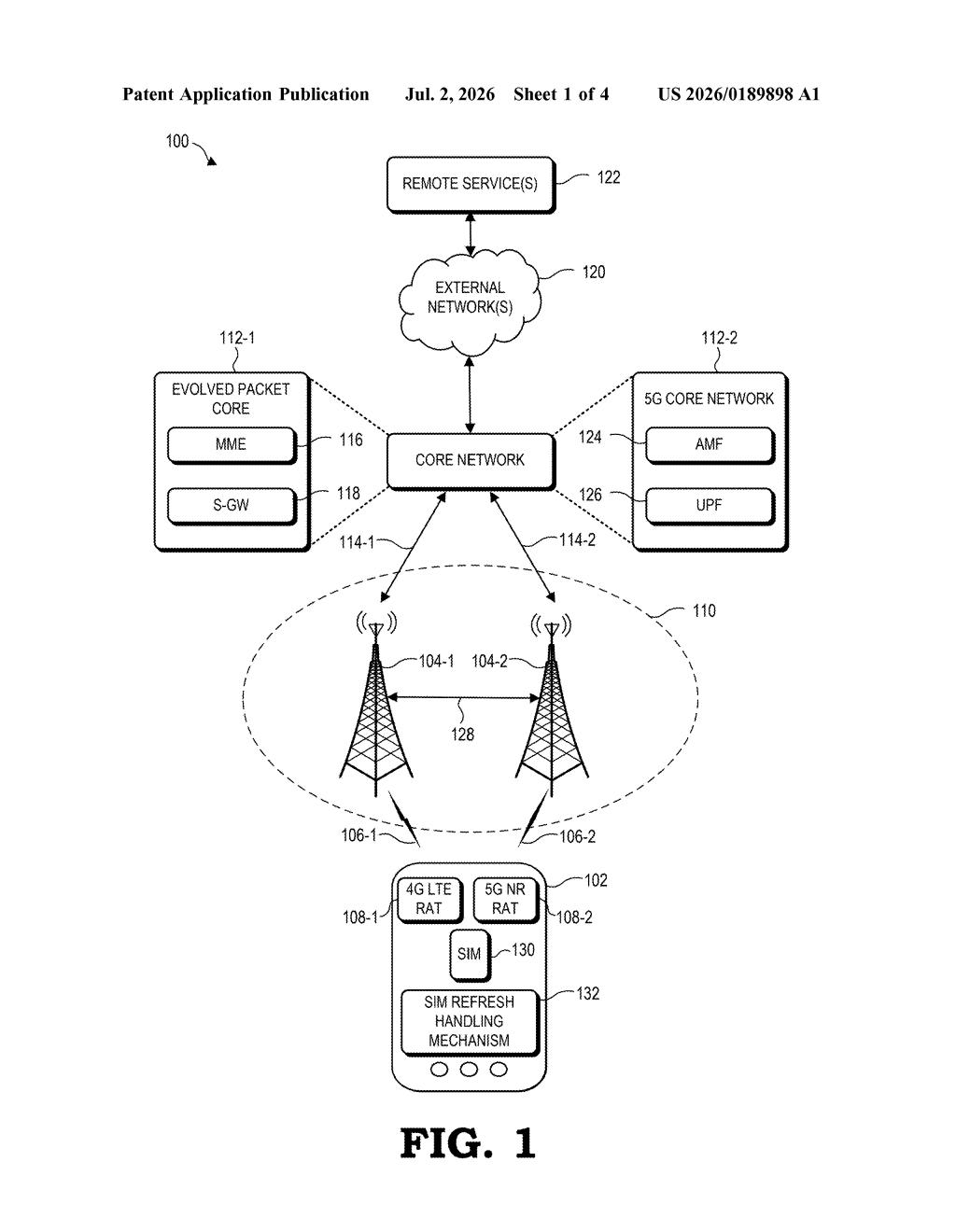
What Google's SIM refresh delay actually does for you
Imagine you're mid-call or downloading something important, and your phone's SIM card decides right then is a good time to reset itself. The connection drops, the app crashes, and you have no idea why. That's a real, if rarely discussed, nuisance.
Google's new patent describes a fix: when your phone gets one of these SIM refresh commands, it checks whether you're actively using the device. If you are, it holds the refresh in a queue and waits until a better moment, like when the screen is off or you're between tasks.
The idea is simple but useful. Your phone already knows when you're using it, so letting that awareness delay a background maintenance task could make connections feel more reliable without you ever noticing the system working in the background.
How the UE device queues and times the SIM refresh
A SIM card (the small chip that connects your phone to a carrier's network) can send refresh commands to the phone that prompt it to re-read its configuration data. These commands are routine, but acting on them at the wrong time can cause brief network disconnections.
This patent describes a method where the phone (called a user equipment, or UE in cellular standards language) intercepts that refresh command and checks for current user activity before deciding what to do with it. If the user is active, the phone doesn't ignore the command; it queues it and waits.
The queue clears when one or more predetermined conditions are satisfied. The patent doesn't lock in exactly what those conditions are, leaving room for different implementations, but the obvious candidates include the screen turning off, an active call ending, or a data session wrapping up.
The core logic is straightforward:
- Receive refresh command from SIM
- Check if the user is currently active on the device
- If active, hold the command in a queue
- Execute the refresh once a suitable idle condition is met
What this means for Android call and data reliability
For most people, SIM refresh events are invisible. But on devices running carrier-managed eSIM profiles or receiving over-the-air carrier updates, these events happen often enough to occasionally cause dropped calls or stalled data sessions. A system that defers them politely until the phone is idle could reduce a whole category of unexplained connectivity blips.
For Google, this fits neatly into Android's broader push to make background system events less disruptive to the foreground experience. It also has relevance for Pixel phones and Google's own Google Fi wireless service, where Google controls both the software and the carrier-side SIM configuration, giving it more end-to-end control over when refreshes get issued and when they get applied.
This is a small, practical fix to a real problem that most users never consciously register but definitely feel. It's not a platform-defining move, but it's the kind of polish that separates a carrier-grade Android experience from an inconsistent one. Worth a brief look if you care about Android reliability or eSIM behavior.
There are more where this came from
We read every patent application Big Tech publishes and send you the ones worth knowing. Plain English, free, every week.
Want this weekly breakdown for a company we don't cover? Patentlyze Pro →
Be the first to weigh in