
Google Patent Groups Users by Taste to Sharpen AI Recommendations
Google is patenting a way to make AI recommendations feel less generic: first figure out which type of person you are, then use that profile to constrain what the AI is even allowed to suggest.
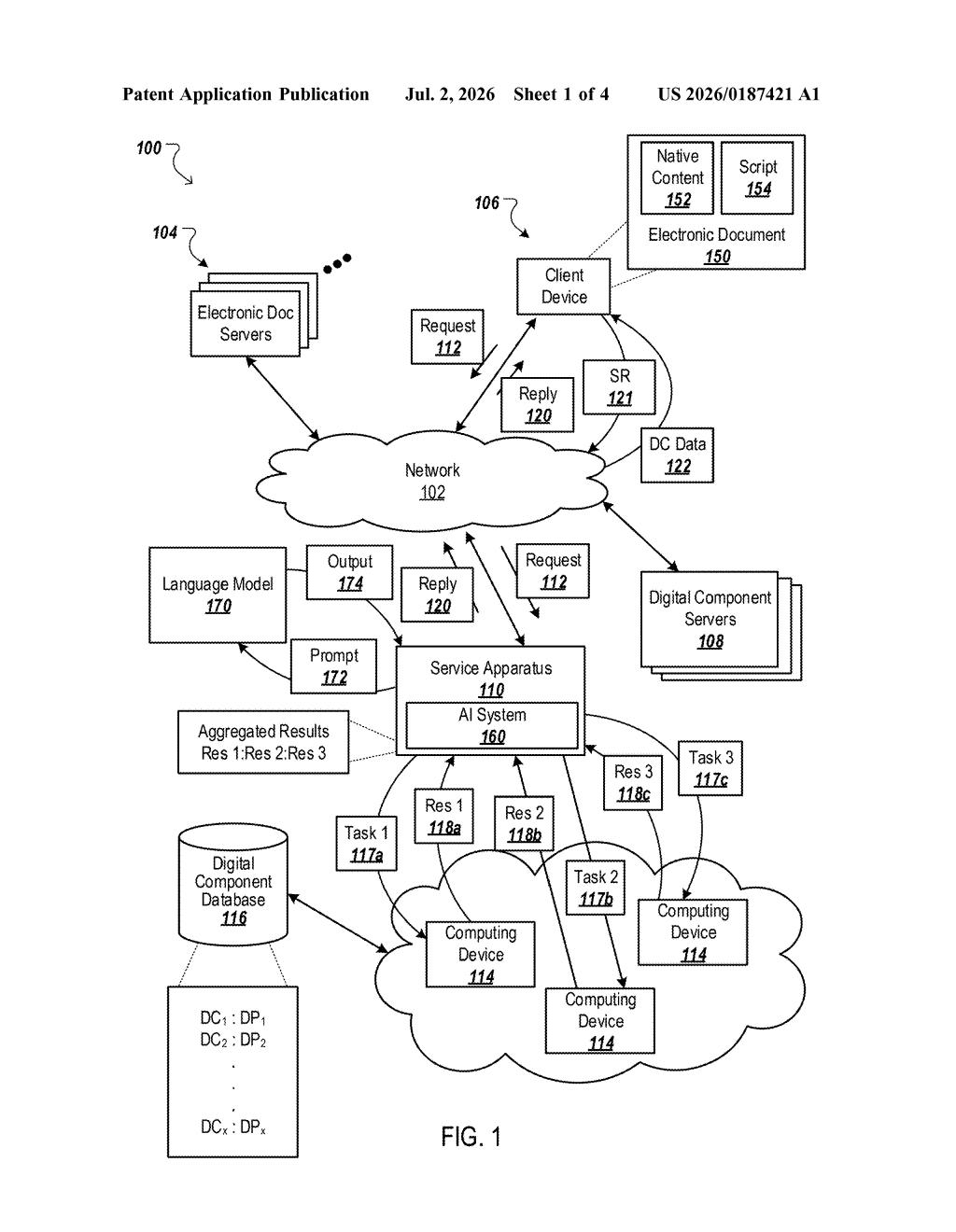
How Google's taste-grouping recommendation system works
Imagine asking a streaming app for a movie recommendation and getting a list that feels like it was written for literally anyone. That's the problem Google is trying to fix here.
The idea is to group users into clusters based on how they've interacted with a topic before. If you've consistently gravitated toward, say, budget-friendly gadgets, you get placed in a cluster of people who share that preference. Then, instead of asking an AI to pick from everything, Google's system feeds those preferences into the AI as guardrails, so the AI only suggests things that actually fit your profile.
The result is a recommendation that's shaped both by what the AI knows about the world and by what people like you actually want. Think of it as giving the AI a short brief about you before it starts talking.
How the AI builds clusters and constrains the language model
The patent describes a three-step pipeline built around what Google calls an AI system that works alongside a separate language model.
First, the AI analyzes your past interactions with a particular item or topic and matches you to one of several pre-built clusters. Each cluster represents a distinct preference profile shared by a group of similar users. For example, one cluster might represent people who prioritize low prices, another might represent people who care most about brand reputation.
Second, the AI constructs a prompt (the instruction it sends to the language model) that includes both a question and a set of constraints derived from your cluster's preferences. Those constraints act like invisible filters, telling the language model which types of answers are relevant and which aren't worth surfacing.
Third, the language model generates a customized recommendation shaped by those constraints. The key architectural choice here is separation of concerns: the clustering logic handles personalization, while the language model handles generation. Neither has to do the other's job, which keeps the system modular and easier to update.
What this means for Google's AI-powered shopping and search
For Google, this is about making AI-generated suggestions feel personal without requiring the language model itself to memorize your individual history. That matters as Google weaves AI into Search, Shopping, and Google Assistant, where generic answers erode trust quickly.
For you as a user, the practical difference is getting AI recommendations that actually reflect how you think about a purchase or decision, not just what's statistically popular. The system also gives Google a way to update taste clusters over time without retraining the underlying language model, which is an expensive process. Whether this eventually surfaces in Google Search's AI Overviews, Google Shopping, or another product entirely is unclear, but the infrastructure fits all three.
This is a sensible but incremental engineering approach to a real problem: AI recommendation systems tend to produce bland, averaged-out suggestions. The cluster-plus-constraints design is pragmatic rather than flashy. It's worth watching because it points directly at Google's commercial interest in making AI-assisted shopping and search feel less like a coin flip.
There are more where this came from
We read every patent application Big Tech publishes and send you the ones worth knowing. Plain English, free, every week.
Want this weekly breakdown for a company we don't cover? Patentlyze Pro →